
If you have been sourcing custom patches for apparel, uniforms, merchandise, or branded gear and someone mentioned printed patches as an option, you probably have a few questions. What exactly are they? How do they hold up compared to embroidered or woven patches? And are they actually worth using for a professional or commercial application?
This guide answers all of that directly. By the end, you will know exactly what custom printed patches are, when they outperform alternatives, and how to choose the right fit for your next production run.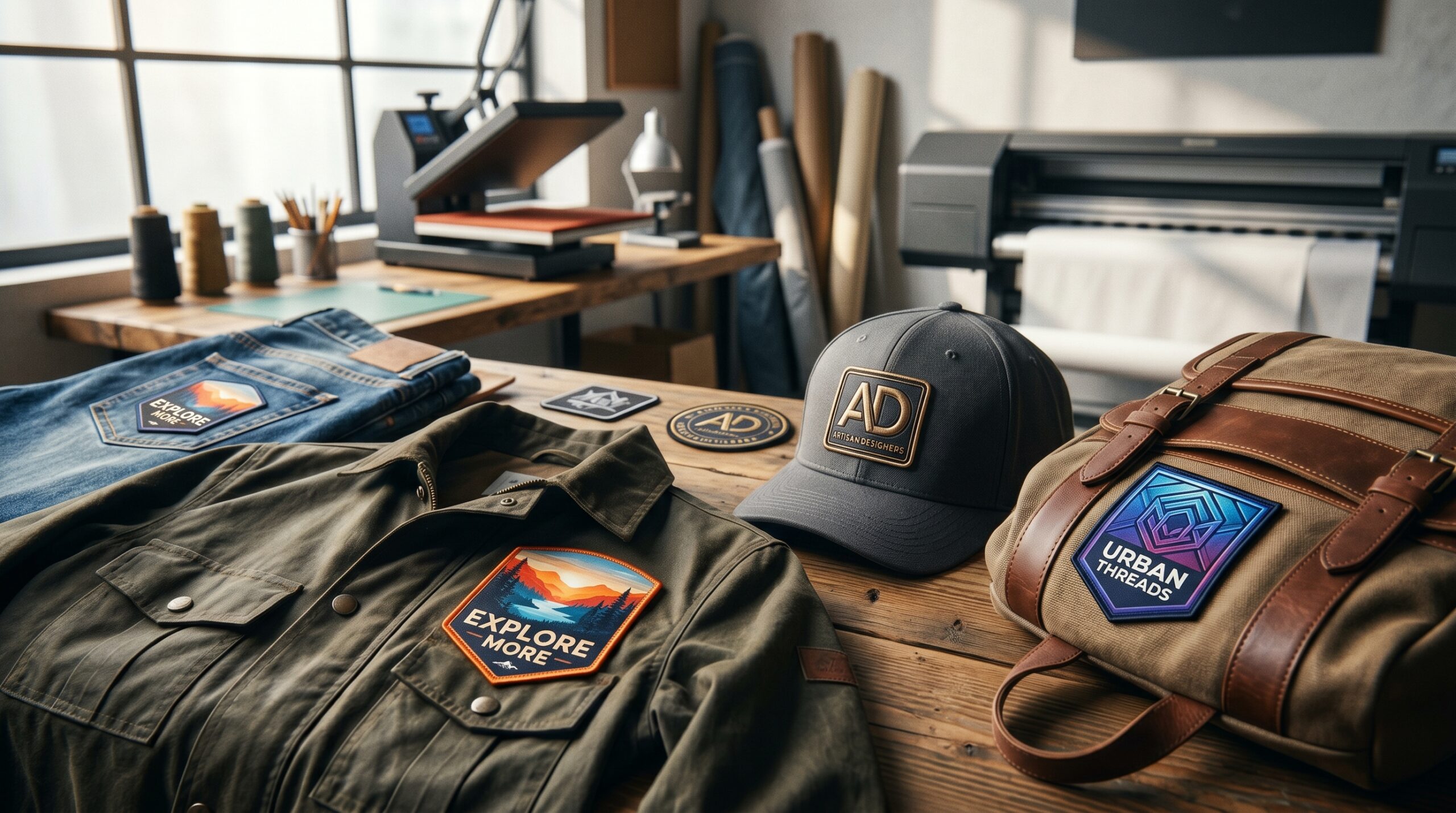
What Are Printed Patches?
A printing process applies the design directly onto a fabric base, setting printed patches apart from sewn, woven, or embroidered alternatives.. Manufacturers transfer the artwork onto a patch substrate using methods such as dye sublimation, screen printing, or UV printing, then finish it with a merrowed border, heat seal backing, iron-on adhesive, or Velcro depending on the intended application.
The result is a flat, full-color patch that can reproduce photographs, gradients, fine lines, and complex color blends that traditional embroidery or weaving physically cannot replicate with the same level of accuracy.
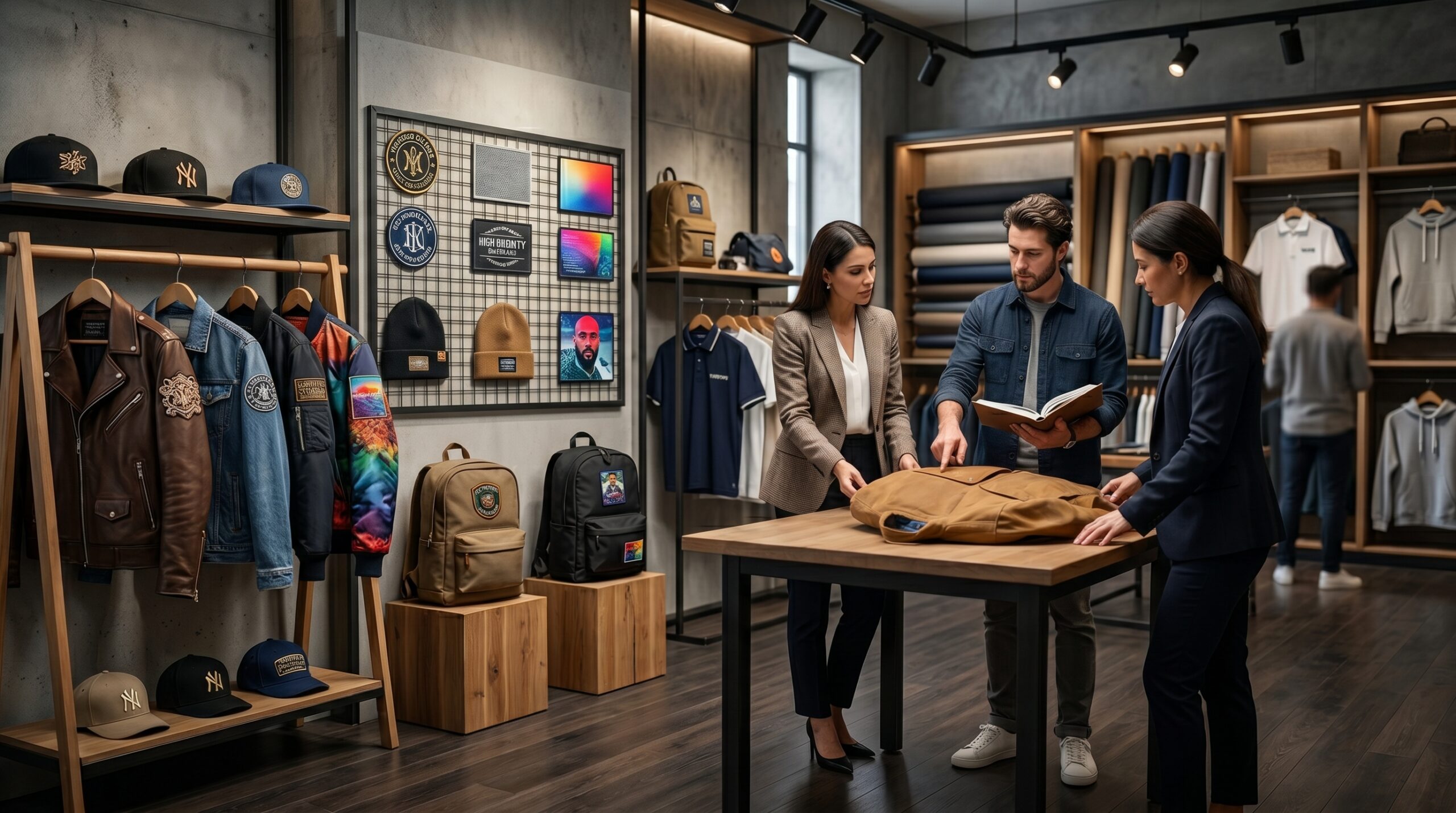
Industries ranging from fashion, military and tactical gear, and corporate branding to sports teams, event merchandise, and promotional apparel all rely on custom printed patches.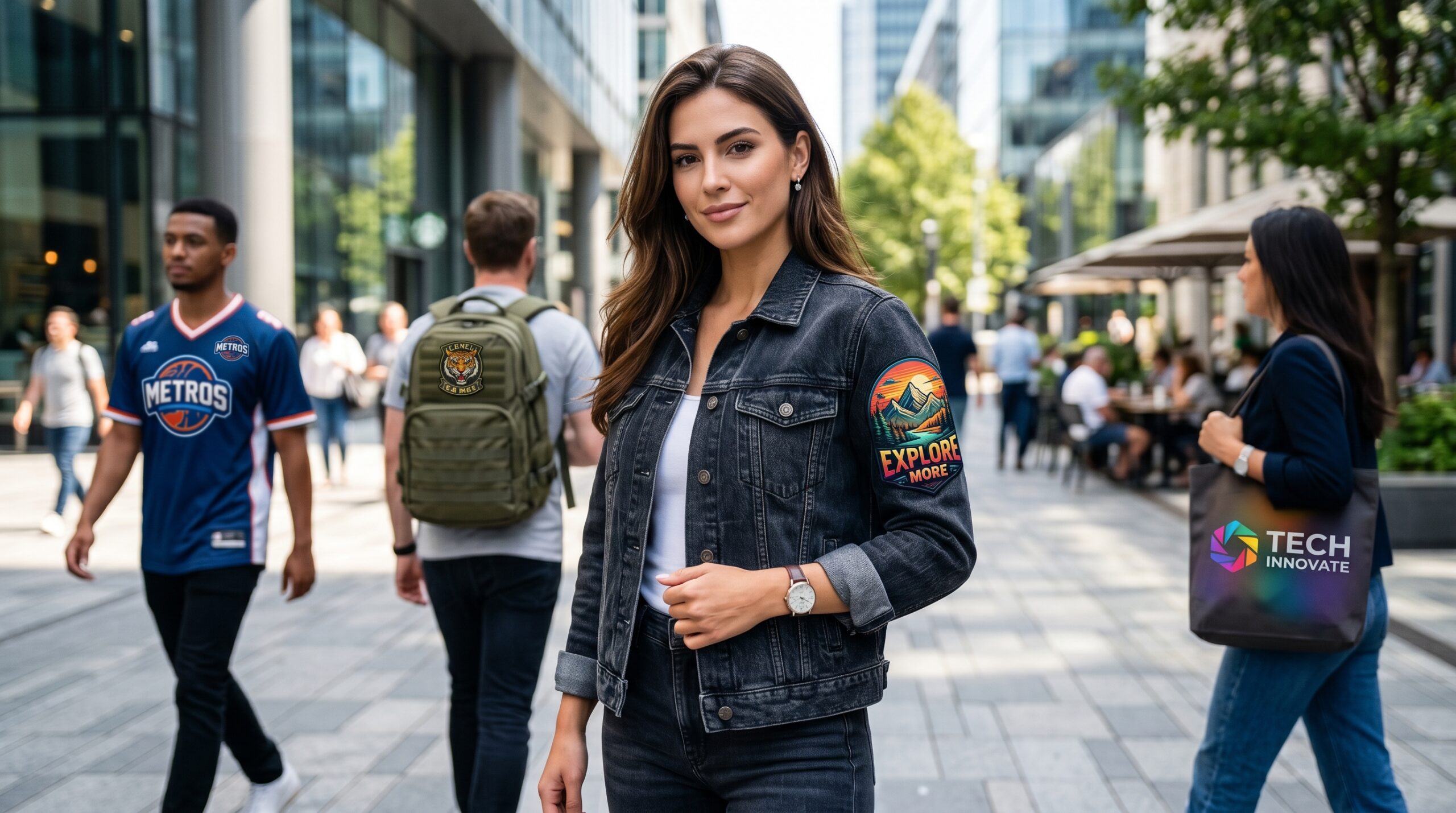
How Are Printed Patches Made?
Understanding the manufacturing process helps explain why printed patches perform the way they do.
Dye sublimation patches are among the most common type. In dye sublimation printing, heat and pressure transfer dye directly into the fabric rather than leaving it sitting on top. This means the color becomes part of the material itself, which contributes to durability and wash resistance. Dye sublimation produces exceptional color vibrancy and is particularly effective on polyester-based substrates.
Screen printed patches use a stencil-based process where a squeegee pushes ink through a mesh screen onto the patch material. Screen printing works well for designs with solid colors and defined shapes, and professional patch manufacturers formulate the inks to resist fading under regular wash and wear.
UV printed patches use ultraviolet light to cure ink directly onto the patch surface, producing sharp detail and a slightly raised texture. This method handles fine detail and photographic images well.
After printing, manufacturers cut the patch to shape, finish the edges with a merrowed or laser-cut border, and apply the appropriate backing based on how the buyer will attach the patch to the garment or accessory.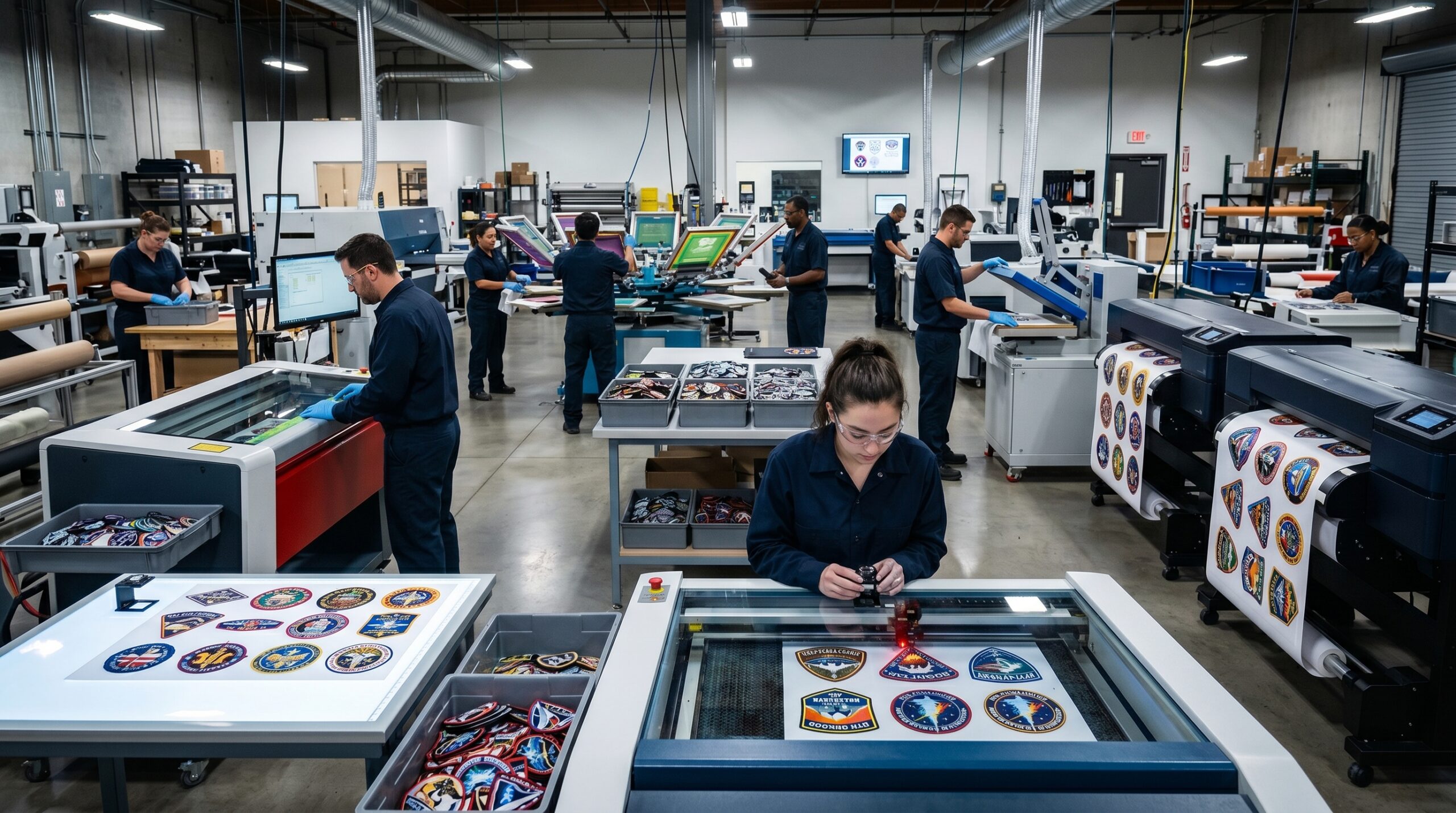
Are Printed Patches Good? An Honest Assessment
The short answer is yes, but the more useful answer is: it depends on what you need them to do.
Printed patches are genuinely good when:
The design requires fine detail, gradients, photography, or more than six to eight colors. Embroidery and weaving have practical limits in color count and detail resolution. Printed patches do not. A face, a landscape, a photorealistic logo, or a design with subtle shading all reproduce accurately through printing where they would be simplified or distorted in embroidery.
The production volume is moderate to high and per-unit cost efficiency matters. Printed patches typically cost less per unit than embroidered patches at comparable quantities because there are no thread or digitizing fees, and the production process is faster.
The application timeline is tight. Printed patches can move from approved artwork to finished product faster than embroidered alternatives, which require digitizing the design before production can begin.
Where printed patches have limitations:
On very textured or heavy-duty fabrics where a raised, tactile quality is part of the brand expectation, embroidered patches often feel more appropriate. A workwear brand with a heritage positioning may find that embroidery communicates the right level of craftsmanship better than a flat printed surface.
For applications involving extreme abrasion, such as tactical gear worn in harsh field conditions, the patch material and backing adhesion quality become more important than the printing method itself. High-quality printed patches from a reputable supplier hold up well in these conditions, but the build quality of the patch overall is the deciding factor.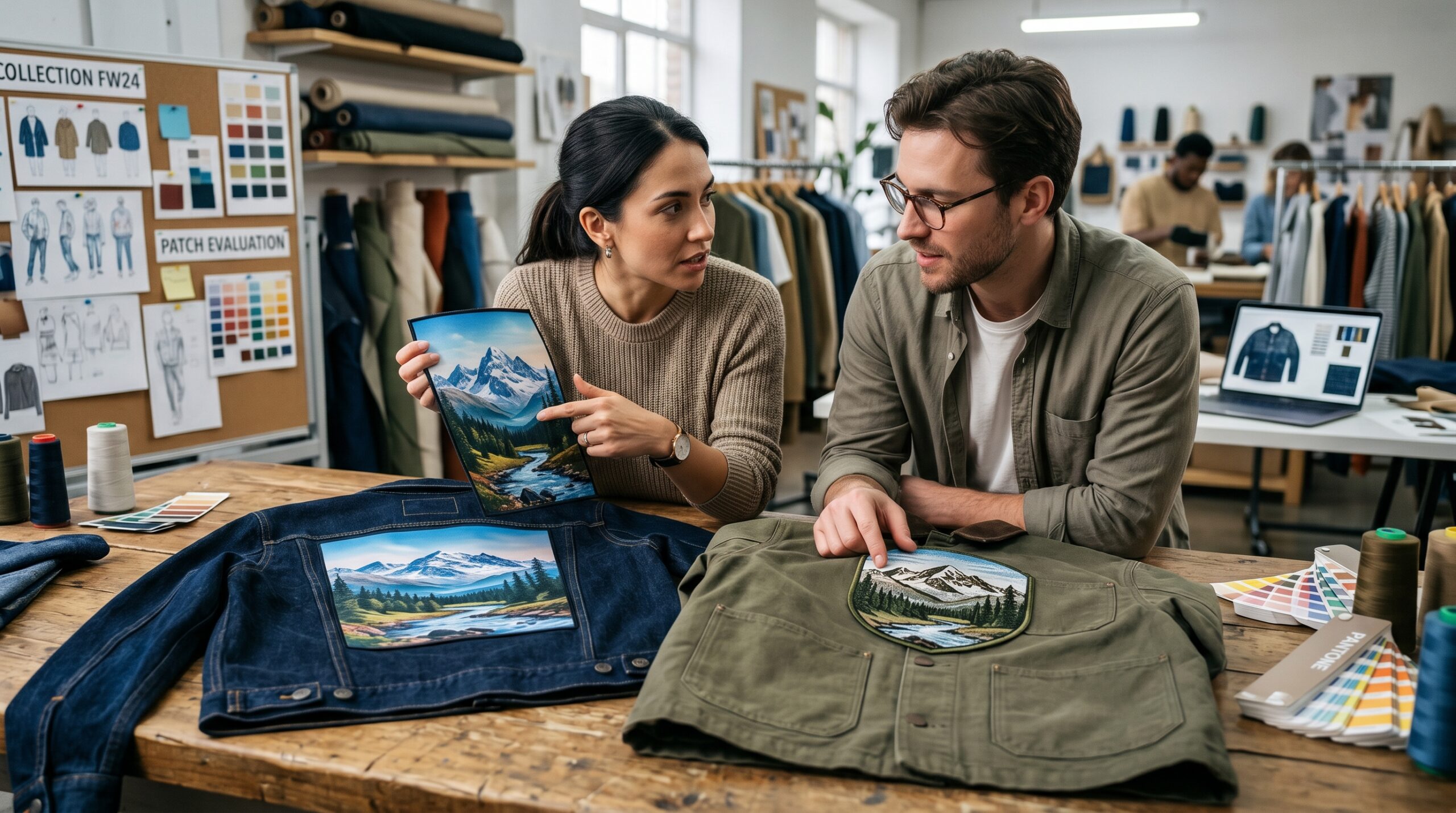
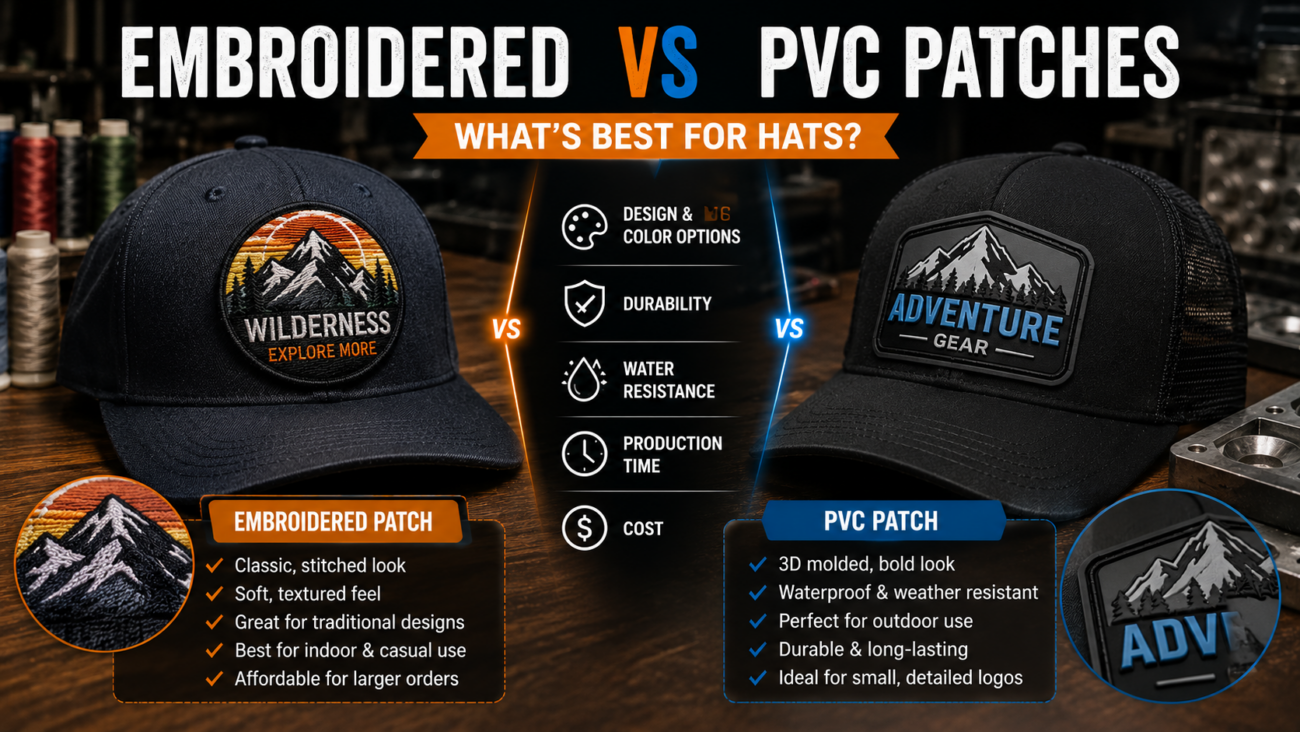
Printed Patches vs Embroidered Patches: Key Differences
This is one of the most common comparison searches when buyers are evaluating patch options for apparel or merchandise.
| Factor | Printed Patches | Embroidered Patches |
|---|---|---|
| Color range | Unlimited, full photographic range | Typically limited to thread color catalog |
| Fine detail | Excellent, handles gradients and photography | Limited by thread thickness |
| Tactile texture | Flat surface | Raised, textured surface |
| Per unit cost | Generally lower | Generally higher due to digitizing and thread |
| Production speed | Faster | Slower due to digitizing step |
| Perceived premium | High when well-made | Strong heritage and craft association |
| Best use case | Complex, photorealistic, or multicolor designs | Bold logos, lettering, classic patch aesthetics |
Neither format is objectively better. They serve different design requirements and brand expectations. Many businesses use both, applying printed patches for merchandise and events and embroidered patches for uniforms and team apparel where buyers expect a traditional look.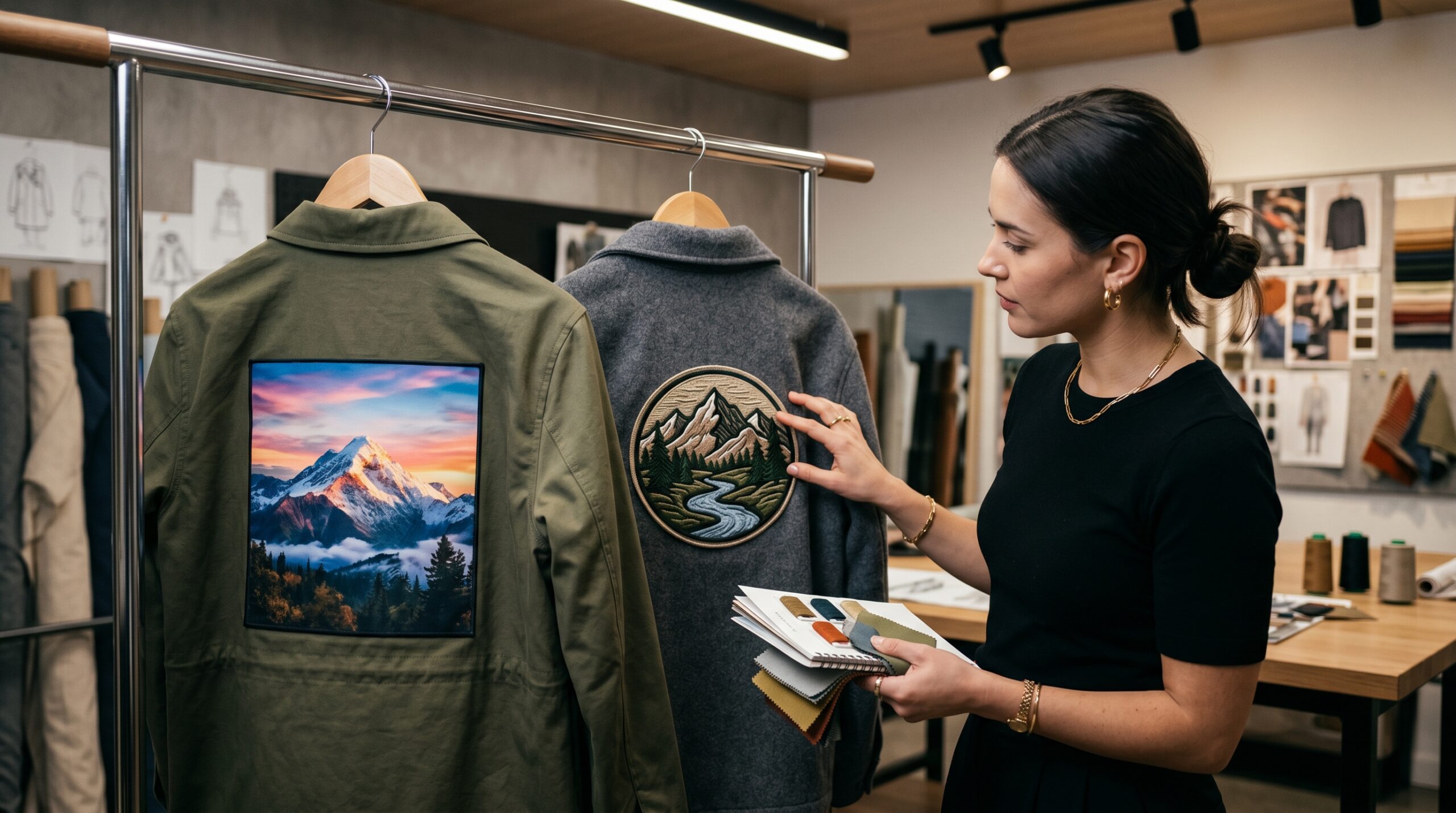
Printed Patches vs Woven Patches
Printed vs woven patches is a less common comparison but worth understanding. Looms produce woven patches by interlocking colored threads to create the design, delivering a very fine, fabric-integrated result that sits between embroidery and printing in terms of detail capability.
Woven patches are excellent for small text, fine lines, and intricate logos where embroidery would be too bulky. However, they still have practical limits on color counts and cannot reproduce photographic imagery.
Printed patches outperform woven patches in any design involving gradients, full-color photography, or more than eight distinct colors. Woven patches remain preferable for a fabric-first aesthetic where the thread structure is part of the visual appeal.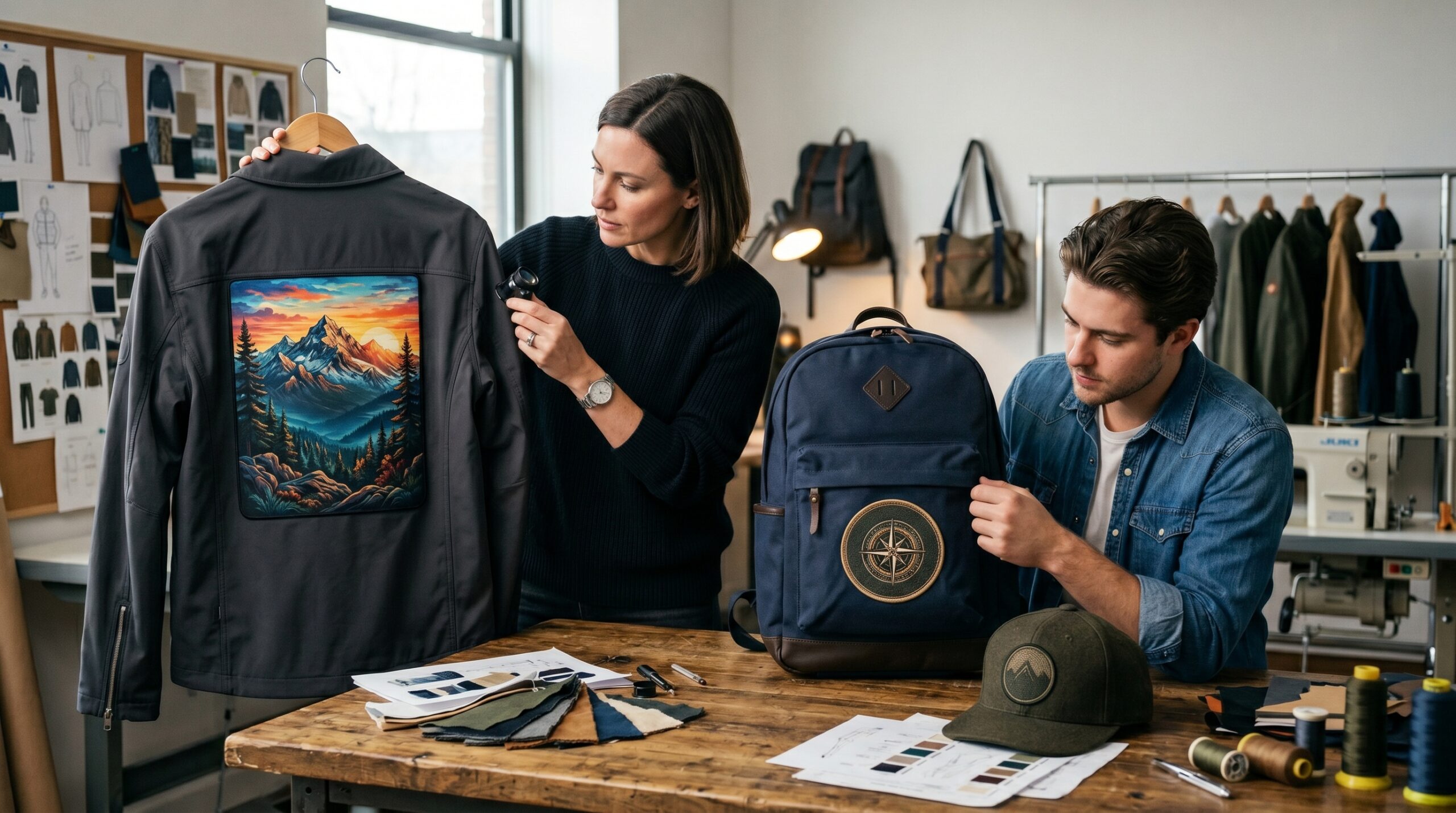
Benefits of Printed Patches for B2B Buyers
High-detail design reproduction: The primary benefit of high-detail printed patches is design fidelity. What you see in your artwork file is what you get on the patch. There is no simplification for thread colors, no minimum stitch count considerations, and no loss of fine lines or gradient transitions.
Full-color flexibility: Printed patches handle unlimited colors in a single production run. This is essential for brands with multi-color logos, photographic elements, or designs that would require significant redesign for embroidery compatibility.
Faster turnaround: Without a digitizing step, production timelines for custom printed logo patches are typically shorter than for embroidered alternatives. For businesses with seasonal launches, event deadlines, or rapid merchandise cycles, this matters.
Cost efficiency at scale: Per-unit pricing for affordable custom printed patches becomes very competitive at medium-to-high volumes. There are no setup costs for additional colors, which keeps bulk pricing predictable.
Versatile attachment options: Printed iron-on patches are the most common attachment format for retail and DIY applications, but manufacturers can also produce the same printed patch with sew-on, Velcro, or self-adhesive backing depending on the end use.
Consistent branding across apparel: For businesses producing printed patches for clothing across multiple product categories, color consistency is easier to maintain in print than in embroidery, where thread dye lots can vary between production runs.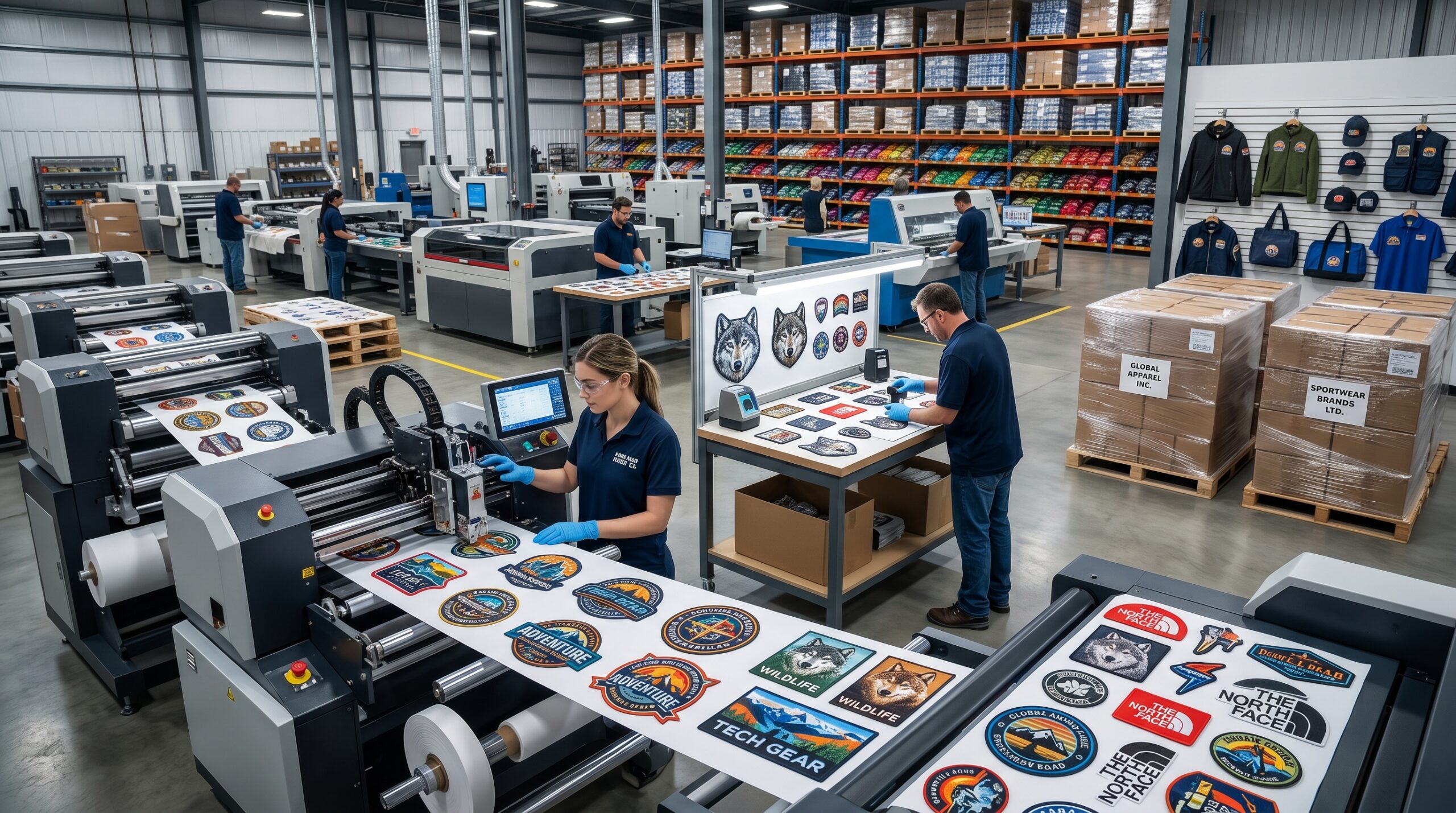
Are Printed Patches Durable?
Durability is one of the most frequent concerns when buyers first consider printed patches. The honest answer is that durability depends on three factors: the printing method used, the substrate material, and the quality of the finishing process.
Dye sublimation patches are among the most durable printed patches available. Because the fabric absorbs the dye rather than holding it on the surface, it does not crack, peel, or fade the way surface-level inks can. Properly made dye sublimation patches hold up through dozens of commercial wash cycles without significant color degradation.
Surface-printed patches (screen printed or UV printed) are durable when properly finished with a protective coating or laminate. Without that finishing layer, aggressive washing or abrasion will degrade the surface faster. A reputable supplier will use wash-resistant inks and appropriate topcoats as a standard part of production.
For printed patches for jackets and hats, the attachment method also affects perceived durability. Iron-on patches bond well to smooth cotton and polyester fabrics. On structured caps or heavy outerwear, sew-on or Velcro-backed patches hold more securely over time.
Custom Printed Patch Designs: What Works Best
Not every design translates equally well to the printed patch format. Here are the design categories that produce the strongest results:
Photographic and illustrative designs: Full-color illustrations, character art, and photographic imagery are where printed patches have no competition. Any design that relies on shading, depth, or continuous tone suits printed patches naturally.
Brand logos with gradients or complex color builds: Logos that use color gradients, drop shadows, or layered transparency effects reproduce accurately in print, which is not possible in embroidery without significant redesign.
Text-heavy designs with small type: Fine print and small font sizes that would lose legibility in embroidery thread remain sharp and readable in printed format, particularly with dye sublimation.
Multi-color designs with tight color budgets: Since printed patches do not charge per color, designs with ten, twenty, or thirty colors cost the same to produce as single-color designs. This removes a significant constraint from the design process.
What to avoid: Very large, open areas of flat color can sometimes show banding or slight tonal variation depending on the printing process. Discuss large flat-color elements with your supplier before finalizing artwork to confirm the production method handles them cleanly.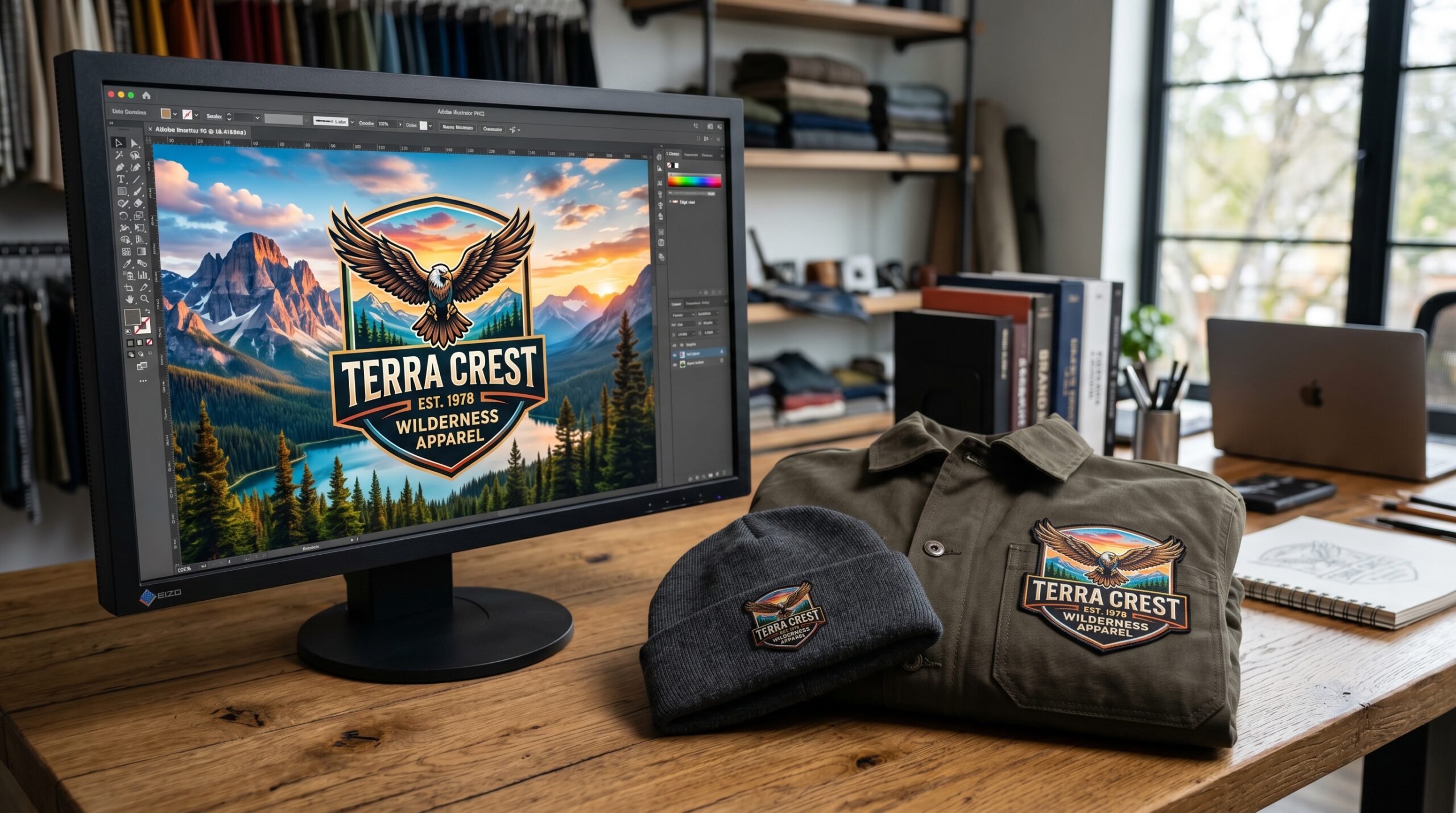
Printed Patches for Apparel: Common Applications
Printed patches for apparel appear across a wide range of product categories:
Jackets and outerwear: Sleeve patches, chest patches, and back patches on jackets are a primary use case. Printed patches allow for full-color artwork that turns outerwear into a visual statement without the cost of direct embroidery on finished garments.
Hats and caps: Printed patches for jackets and hats serve different structural requirements. Flat-bill caps and structured snapbacks both accommodate iron-on or Velcro-backed patches well. Curved bill hats may require more flexible patch materials to conform to the surface.
Bags and backpacks: High-visibility patches on bag panels are a strong brand placement opportunity. Printed patches on bags attract attention in transit, at events, and in daily carry situations.
Uniforms and workwear: Where color accuracy is critical for brand compliance, custom logo printed patches offer more reliable color matching than embroidery, which is subject to thread color availability and dye lot variation.
Event merchandise: Limited-edition event patches with full-color artwork, dates, and location details suit printing perfectly. Manufacturers can produce them quickly, cost-effectively, and with complete design accuracy.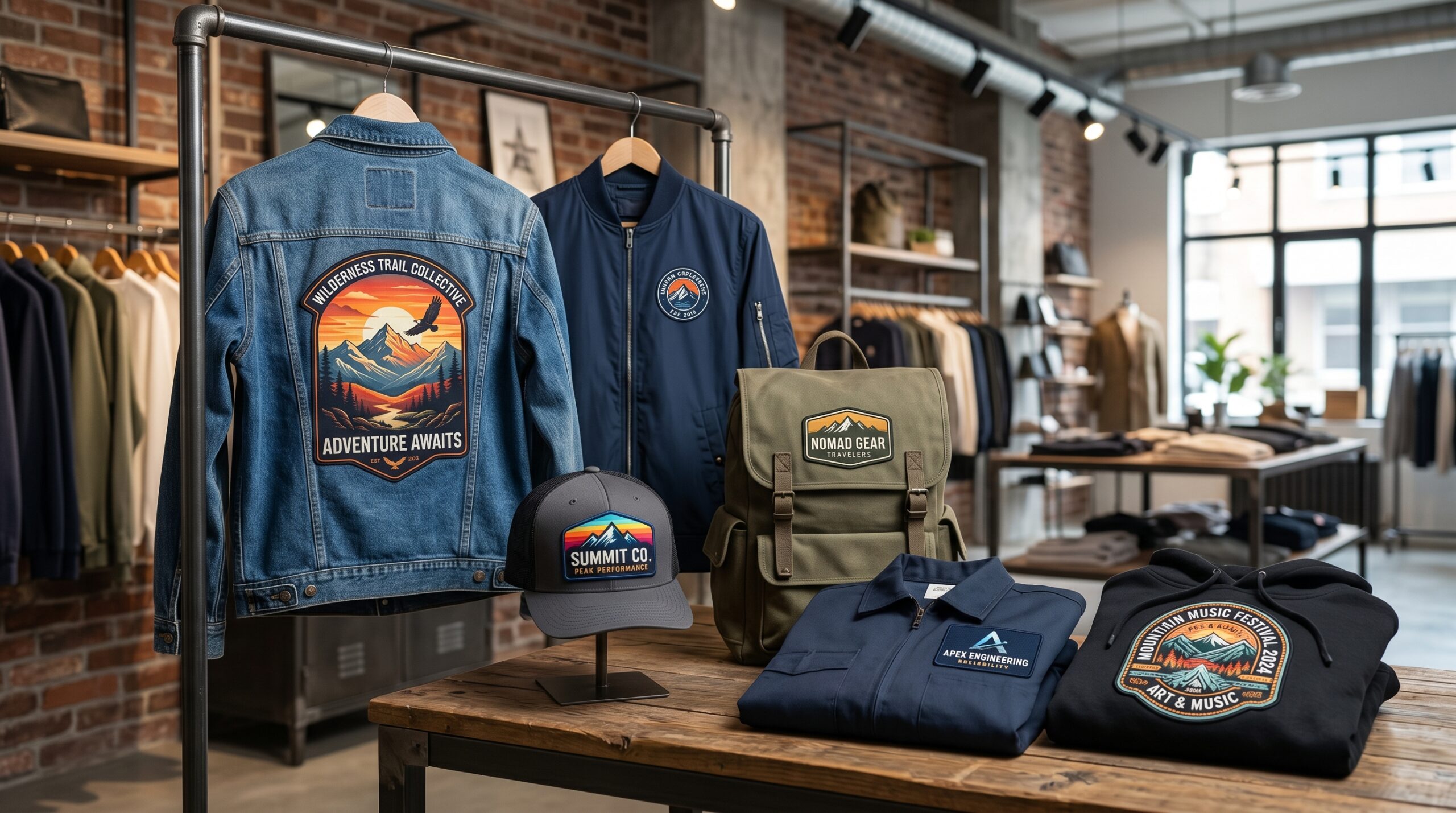
Personalized Printed Patches: Options for Custom Orders
Personalized printed patches extend beyond standard logo reproduction. Current custom patch production supports:
Individual name or number integration on sports and team patches without reprinting the entire design. Variable data printing allows individual customization at scale in some production setups.
Limited edition runs with sequential numbering for collectible merchandise.
Custom shape cutting for non-standard patch outlines, including characters, product silhouettes, and irregular shapes.
Specialty finishes including metallic inks, glow-in-the-dark elements, and reflective surfaces for specific application requirements.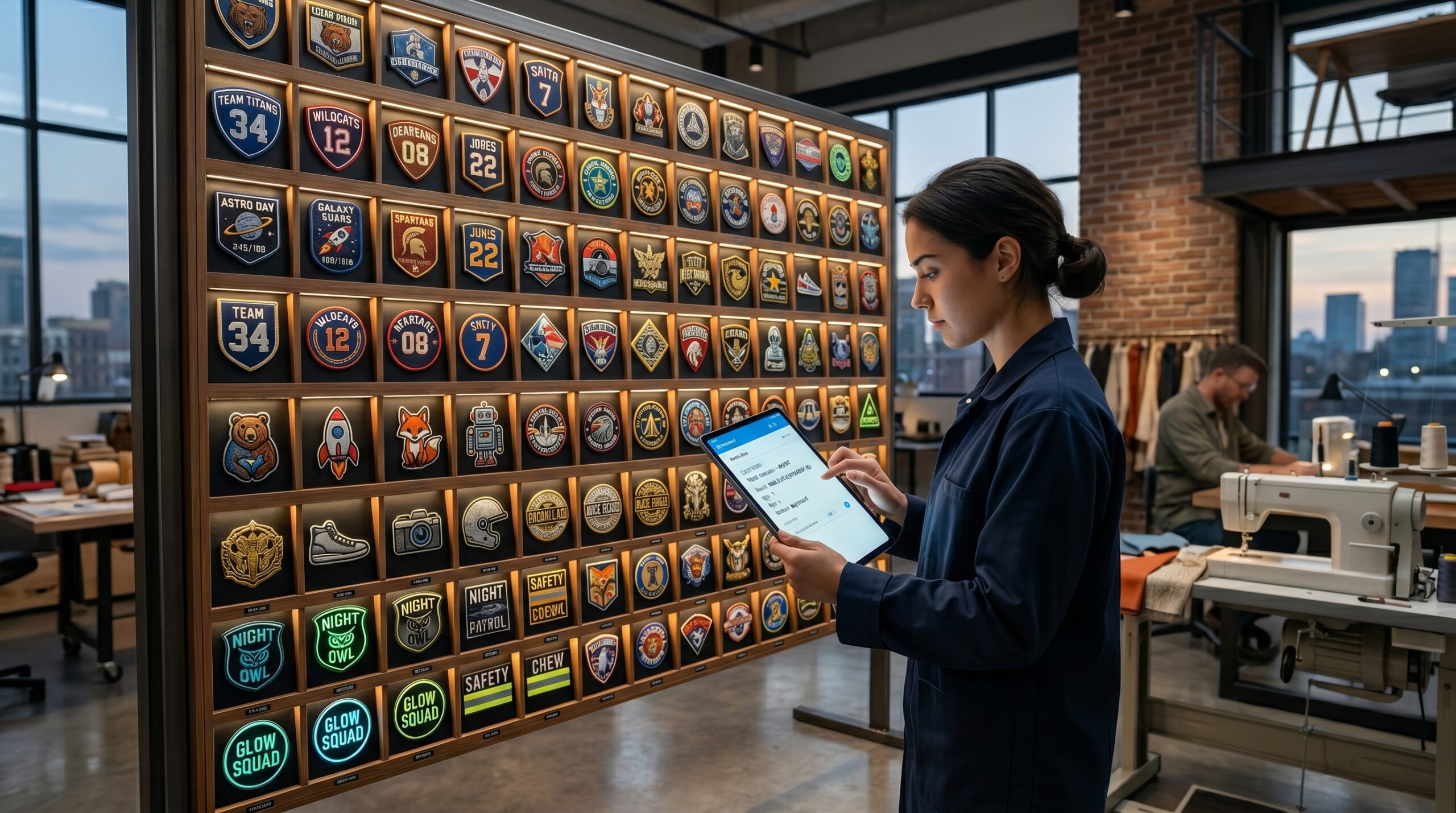
FAQ: What Are Printed Patches & Are They Good?
What are custom printed patches made of?
Custom printed patches are typically made from woven polyester or twill fabric that serves as the printing substrate. Polyester is the preferred material for dye sublimation printing because it holds dye most effectively. The backing material (iron-on adhesive, Velcro, sew-on) is applied separately during finishing.
Are printed patches as durable as embroidered patches?
High-quality printed patches using dye sublimation are very durable and hold up well through repeated washing. Embroidered patches have a mechanical durability advantage because the design is structurally part of the fabric, but well-made printed patches perform reliably in standard apparel applications.
What is the difference between dye sublimation patches and screen printed patches?
Dye sublimation embeds the dye into the fabric at a molecular level, producing vibrant colors that resist fading. Screen printing applies ink on top of the fabric surface. Dye sublimation is generally more durable and color-accurate for photographic imagery. Screen printing works well for bold, solid-color designs.
Can printed patches be ironed onto any fabric?
Printed iron-on patches bond best to cotton, polyester, and cotton-polyester blends. They do not adhere reliably to nylon, leather, or very textured fabrics. For those materials, sew-on or Velcro attachment is recommended.
What is the minimum order quantity for custom printed patches?
Minimum order quantities vary by supplier and production method. Many printed patch suppliers accept orders starting at 50 to 100 units. Dye sublimation patches often have lower minimums than embroidered alternatives because setup costs are lower.
Are printed patches good for hats?
Yes. Printed patches for hats work well, particularly for flat-bill or panel caps where a flat surface makes adhesion straightforward. Flexible patch materials and appropriate backing selection ensure the patch conforms to the hat surface without lifting at the edges.
How do I submit artwork for custom printed patch designs?
Most suppliers require vector artwork (AI or EPS format) or high-resolution raster files (300 DPI or higher at actual print size) in PDF, PNG, or PSD format. For dye sublimation printing, CMYK color profiles produce the most accurate output. Confirm file specifications with your supplier before submitting.
The Bottom Line on Printed Patches
Printed patches are a legitimate, high-quality production format that outperforms embroidery and weaving in specific and important ways. For brands that need full-color design accuracy, photographic reproduction, gradient transitions, or large color counts without proportional cost increases, printed patches are not just good. They are the better technical choice.
For applications where a raised textile texture, heritage craft aesthetic, or extreme abrasion resistance is the primary requirement, embroidery or woven formats may still be preferable. Most serious merchandise and apparel operations use multiple patch formats for different products and purposes.
The key is matching the format to what the design and application actually require, not defaulting to one method because it is more familiar.
Custom printed patches from a quality supplier, made with proper materials and finishes, will hold their appearance, stay attached to garments, and represent your brand accurately for the life of the product.