
The B2B Guide for Clothing Brands, Retailers, and Apparel Manufacturers
Summer fashion moves fast. Trends shift between seasons, consumer expectations rise, and clothing brands need accessories that keep up. PVC patches have become one of the most practical and visually effective branding solutions for summer apparel collections and procurement teams are taking notice.
This guide covers everything brands, manufacturers, and wholesale buyers need to know about custom PVC patches, from material benefits and design flexibility to sourcing decisions and seasonal applications.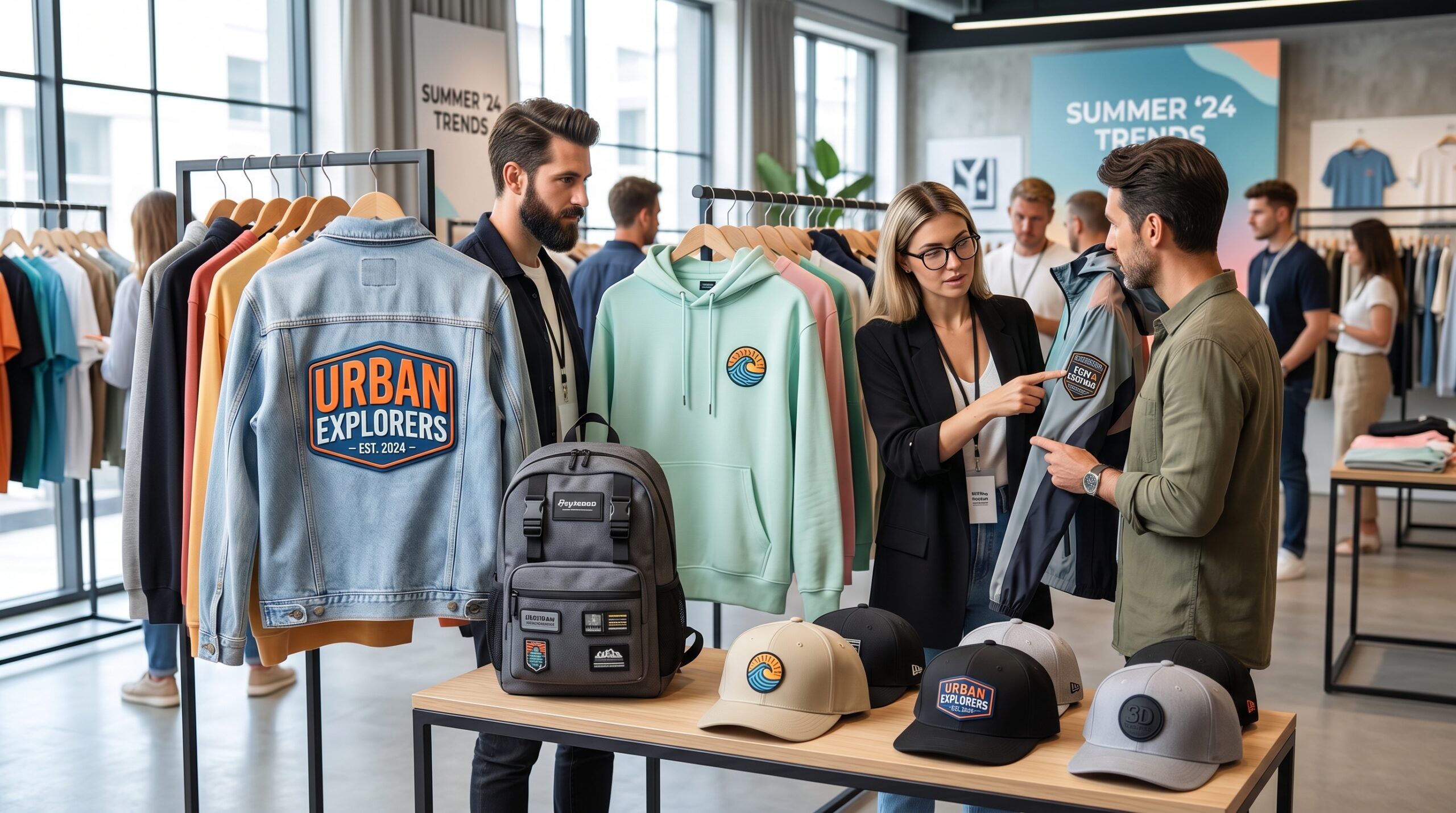
What Are PVC Patches?
PVC patches are custom branding accessories made from polyvinyl chloride, a flexible and durable rubber-like material. Unlike embroidered patches that use thread on fabric, PVC patches are molded in layers, allowing brands to create three-dimensional logos, sharp color contrasts, and intricate design details without any fabric degradation over time.
The finished product is a soft, flexible patch that holds its shape, resists moisture, and maintains color through repeated use and washing. For summer apparel specifically, these physical properties make PVC patches a reliable choice across a wide range of product categories.
Common names for this product type include rubber PVC patches, custom rubber patches, soft PVC patches, and flexible logo patches. All refer to the same core material with minor variations in finish and production technique.
Why PVC Patches Are Popular in Summer Fashion
Summer apparel faces conditions that most other seasonal clothing does not. Heat, humidity, outdoor exposure, sweat, and frequent washing all affect how a patch performs over time. PVC patches are built to handle all of these conditions without showing wear.
Waterproof by nature. PVC does not absorb moisture. Rain, sweat, and water exposure do not cause the patch to swell, fade, or separate from the garment. This makes waterproof PVC patches the preferred choice for outdoor clothing brands, activewear labels, and sportswear manufacturers.
Color retention in direct sunlight. Thread-based patches can fade under prolonged UV exposure. PVC patches retain color integrity through the summer season because pigment is molded into the material rather than applied on top.
Heat resistance. High temperatures do not cause PVC patches to warp or lose shape. This is a key consideration for brands producing summer workwear, outdoor apparel, or performance clothing worn in direct sun.
Flexibility. PVC patches move with the garment rather than stiffening the fabric beneath them. This matters for athletic cuts, lightweight summer jackets, and fitted clothing where rigid patches create visible distortion.
Easy care. Consumers can machine wash garments with PVC patches without special handling instructions. For clothing brands, this reduces customer service friction and return rates tied to patch damage.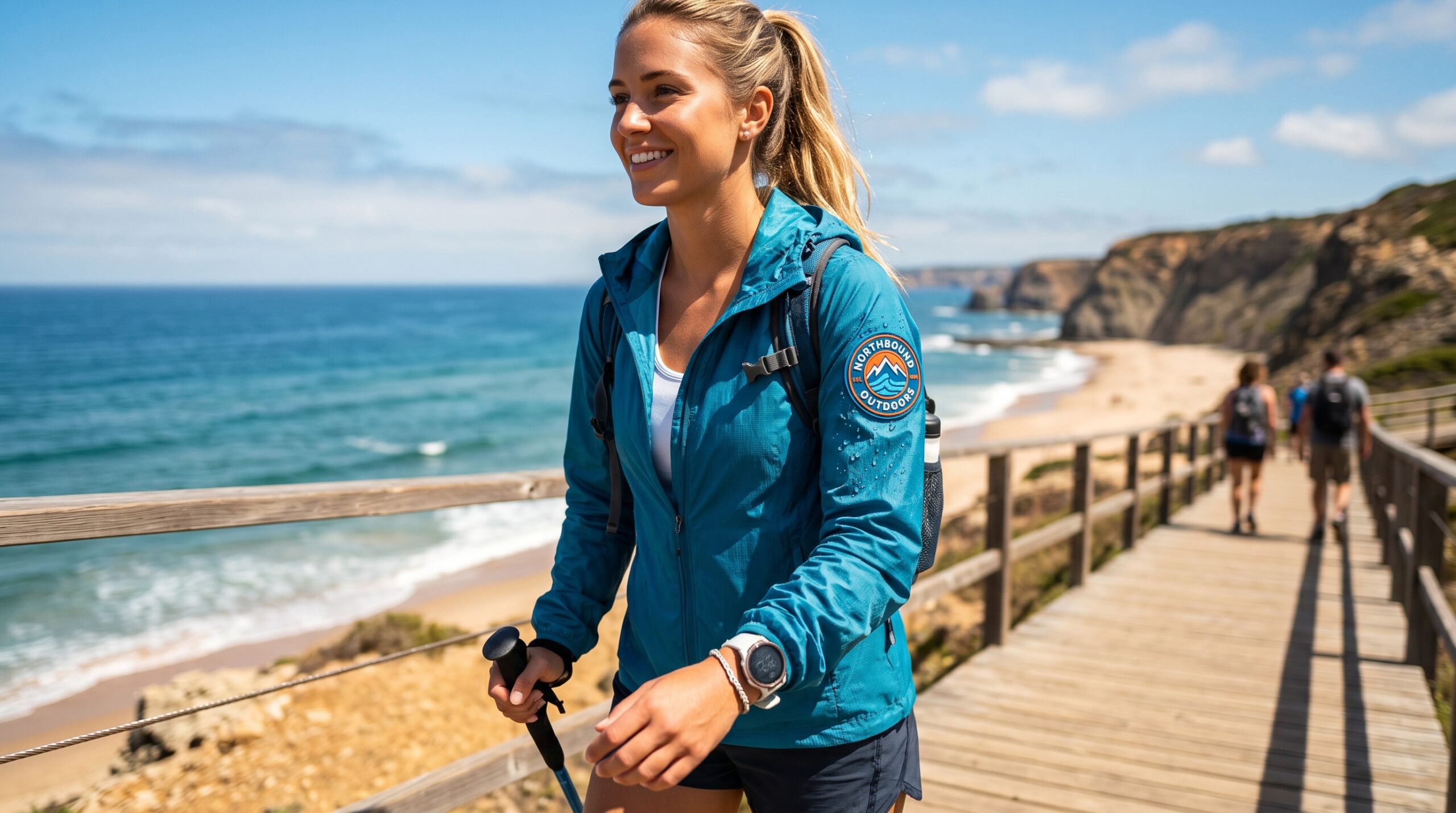
PVC Patches for Clothing: Summer Application Categories
Custom PVC patches for clothing are not limited to a single product type. Summer collections across multiple apparel categories benefit from this branding method.
Streetwear and casual fashion. Streetwear brands use PVC fashion patches as design statements on t-shirts, hoodies, shorts, and light jackets. The dimensional quality of molded PVC creates visual depth that flat printed graphics cannot replicate.
Outdoor and adventure apparel. Brands producing hiking gear, camping clothing, and adventure wear rely on durable PVC patches for fashion and function. The waterproof and heat-resistant properties align directly with the demands of outdoor use.
Headwear and accessories. PVC patches for hats and caps are among the fastest-growing applications in summer fashion. Structured caps, bucket hats, and snapbacks all work well with molded PVC logo patches because the firm surface of the hat supports the patch without fabric distortion.
Activewear and performance clothing. Lightweight summer activewear requires patches that do not add bulk or restrict movement. Flexible rubber patches meet this requirement while providing clear, detailed logo representation.
Branded workwear. Companies issuing summer uniforms to field teams, construction crews, and outdoor service workers use PVC logo patches for durable, professional identification that survives the workday.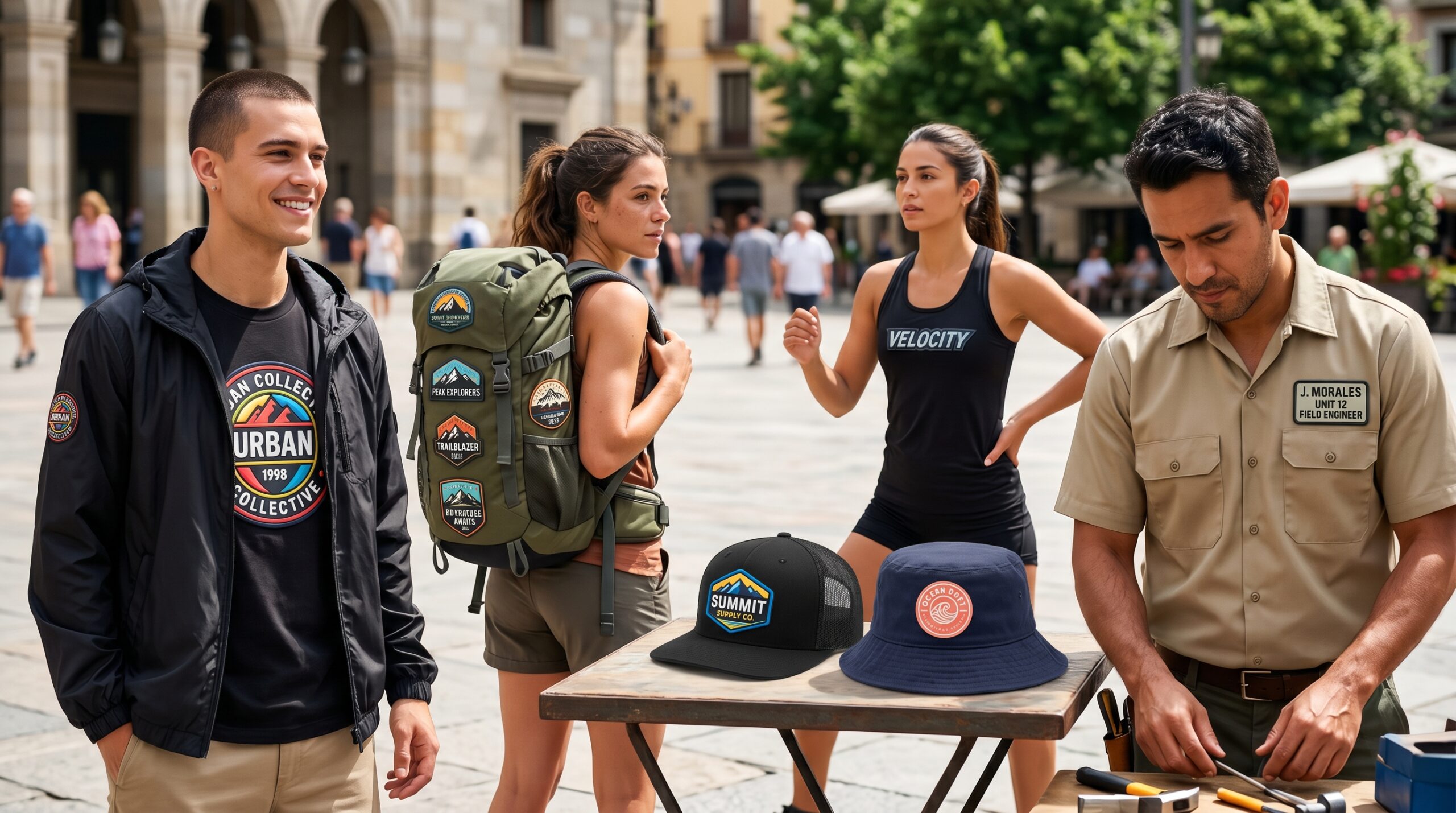
Custom PVC Patches vs Embroidered Patches: Which Is Right for Summer?
Both patch types serve legitimate purposes in apparel branding. The choice depends on the specific application, fabric type, and brand aesthetic.
| Feature | PVC Patches | Embroidered Patches |
|---|---|---|
| Water resistance | Fully waterproof | Absorbs moisture |
| Color range | Unlimited, precise | Thread color limited |
| Durability in heat | High | Moderate |
| Design detail | Sharp 3D definition | Texture-based detail |
| Weight | Lightweight | Varies by stitch count |
| Care instructions | Machine washable | Requires care |
| Cost at volume | Competitive | Varies by stitch count |
For summer apparel specifically, PVC patches outperform embroidered alternatives in outdoor, athletic, and high-wash-frequency applications. Embroidered patches remain preferred for heritage aesthetics and formal uniform programs where traditional appearance matters.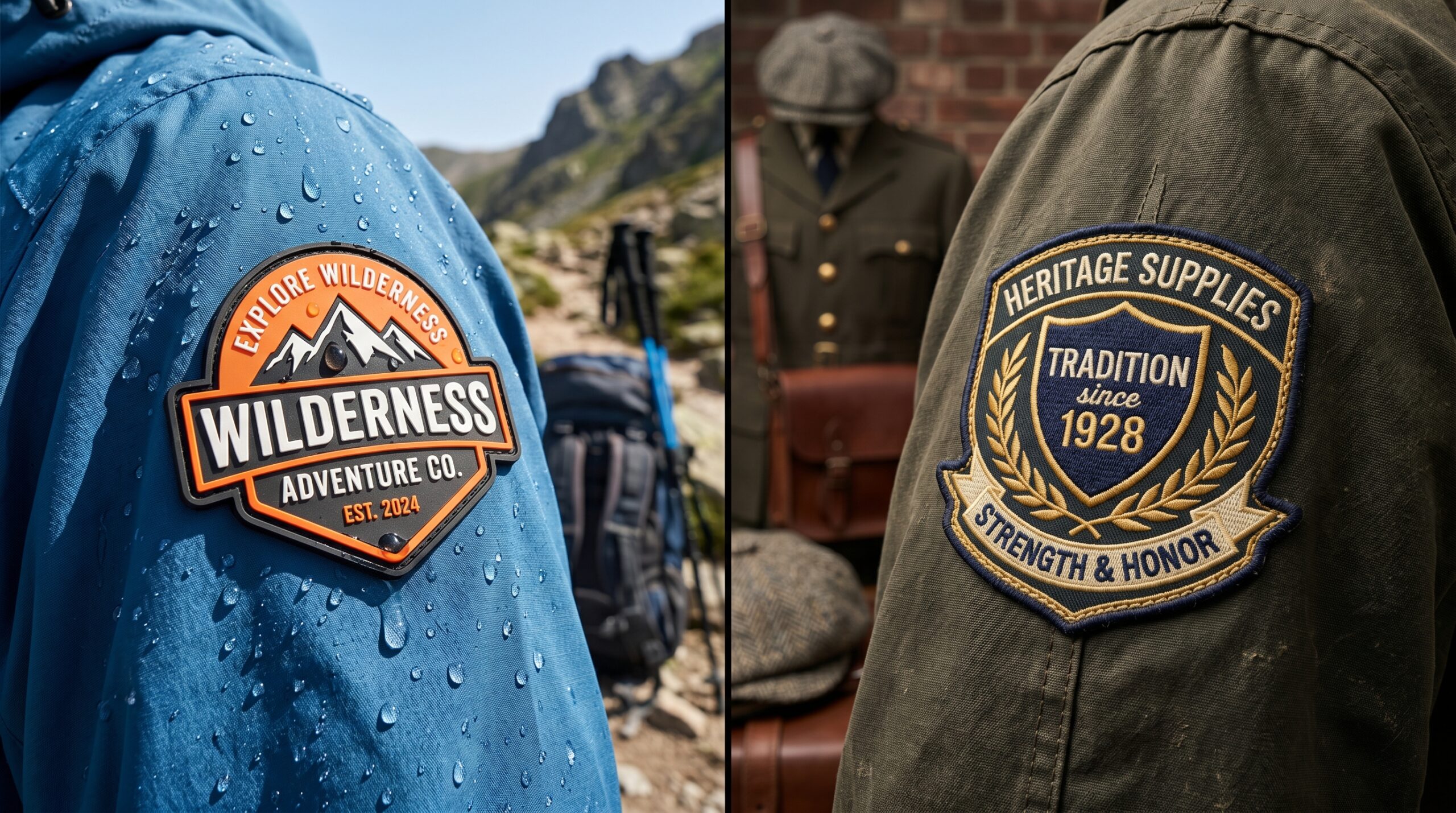
Benefits of PVC Patches for Summer Wear: A Procurement Summary
Procurement teams evaluating patch branding solutions for summer collections should consider the following advantages.
Consistency across production runs. Molded PVC patches reproduce identically across thousands of units. Color, dimension, and finish remain consistent from the first unit to the last, which is critical for branded clothing lines maintaining visual standards.
No minimum design compromises. Custom PVC patches handle small text, fine lines, and complex logo geometry that embroidered patches struggle to reproduce at smaller sizes. Brands with detailed logos benefit from this precision.
Versatile attachment options. PVC patches attach to garments via sew-on backing, iron-on adhesive, Velcro backing, or adhesive backing. This flexibility supports different production workflows and end-use requirements.
Scalable wholesale pricing. PVC patches wholesale pricing drops significantly at volume. Brands ordering seasonal collections in quantity benefit from cost structures that make per-unit pricing competitive with alternative branding methods.
Quick turnaround on repeat orders. Once a mold is created for a custom design, repeat production runs require no additional setup time. Brands reordering between seasons receive consistent product with faster lead times.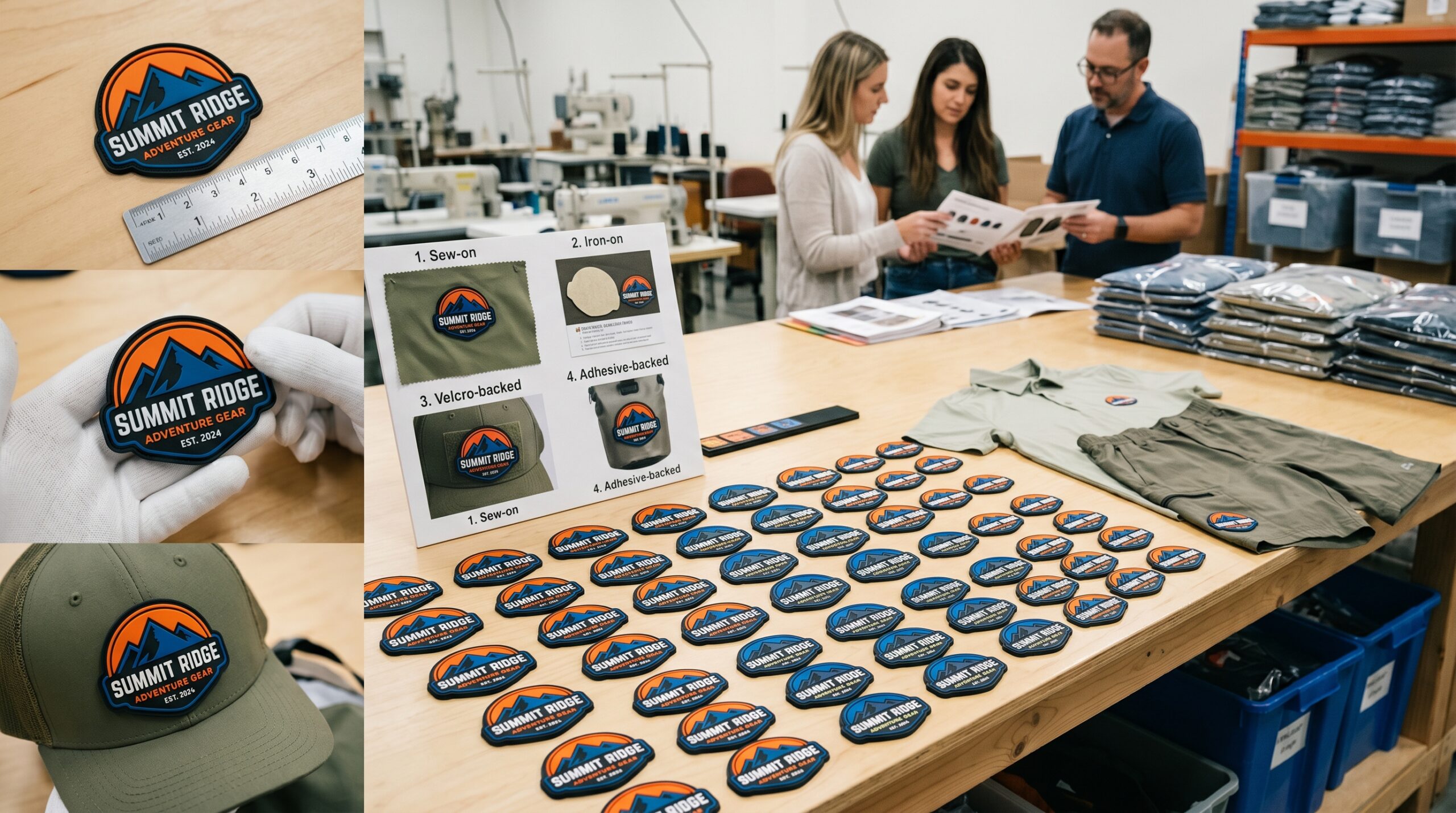
How to Source Custom PVC Patches for Your Brand
Finding the right PVC patches manufacturer or PVC patches supplier involves more than comparing unit prices. Quality, communication, sampling capability, and production capacity all affect the sourcing decision.
Request physical samples before committing to production. Color accuracy, flexibility, and finish quality are difficult to assess from digital images alone. A reliable supplier provides samples at low or no cost before a full order is placed.
Confirm mold ownership terms. Custom molds represent an investment. Clarify with your supplier whether the mold remains the property of your brand or whether it stays with the manufacturer. Mold ownership affects your ability to switch suppliers or reorder from alternative sources later.
Review artwork requirements early. PVC patch manufacturers work from vector artwork files. Providing clean, layered files in AI or EPS format from the start reduces back-and-forth and speeds up sample production.
Clarify attachment method during ordering. Different garment types require different backing options. Specify whether patches need sew-on, Velcro, iron-on, or adhesive backing before production begins to avoid costly adjustments later.
Evaluate minimum order quantities. PVC patches suppliers set varying minimums based on mold requirements and production capacity. For brands launching new designs, understanding MOQ terms upfront prevents budget surprises.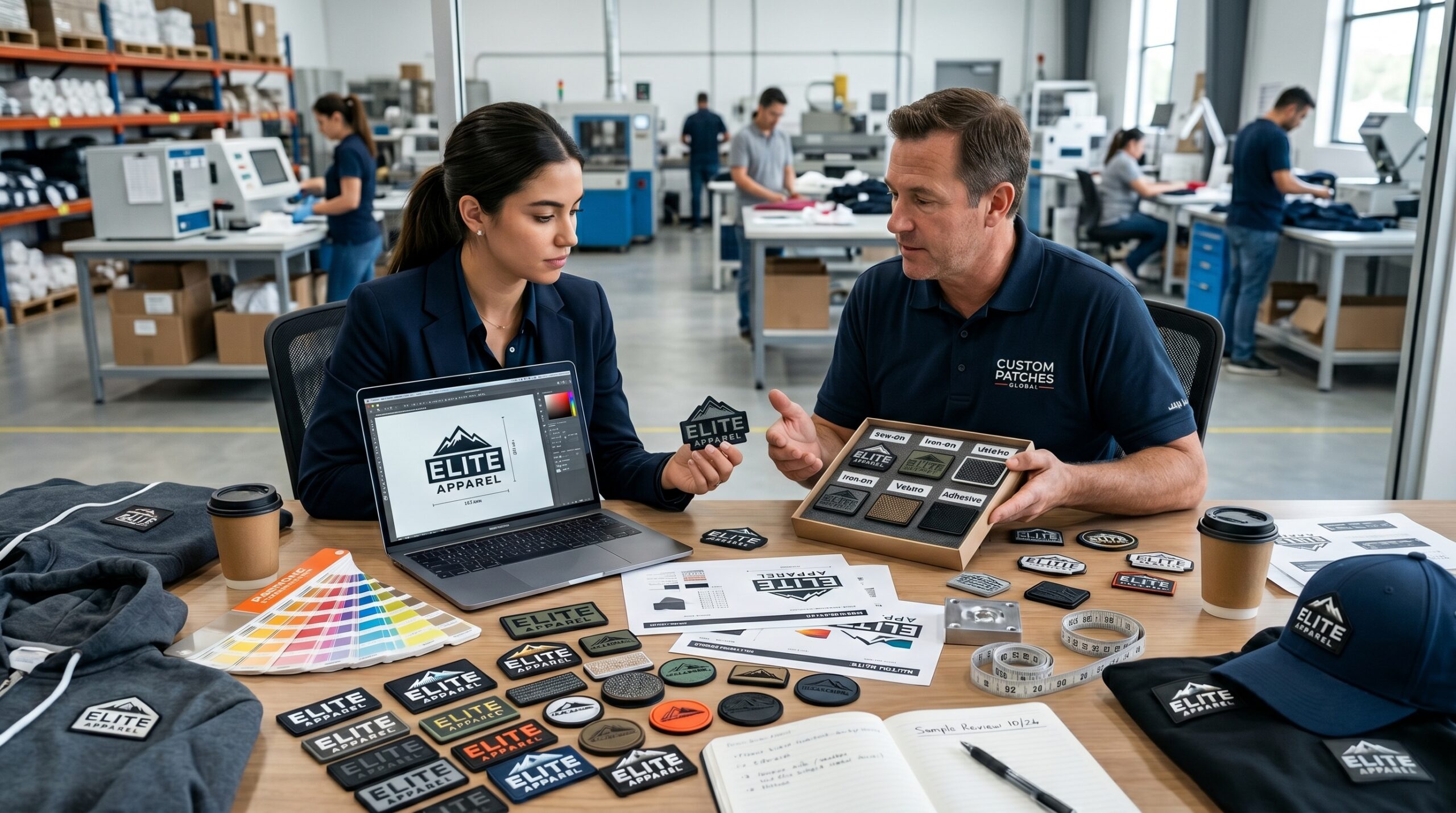
PVC Patches Wholesale: What Apparel Brands Should Know
For clothing brands ordering at scale, wholesale PVC patches offer cost advantages that single-unit or small-batch production cannot match.
Wholesale pricing typically activates at quantities of 100 units or more, with significant per-unit reductions at 500, 1,000, and 5,000 unit thresholds. Brands planning seasonal collections benefit from ordering full quantities upfront rather than reordering in smaller batches throughout the season.
Wholesale buyers should also factor in sampling costs, mold fees, and shipping timelines when calculating total landed cost per unit. A lower unit price from an overseas supplier may carry longer lead times that affect seasonal delivery schedules.
Working with an established PVC patches manufacturer with documented quality control processes reduces the risk of receiving off-spec product that requires rework or replacement.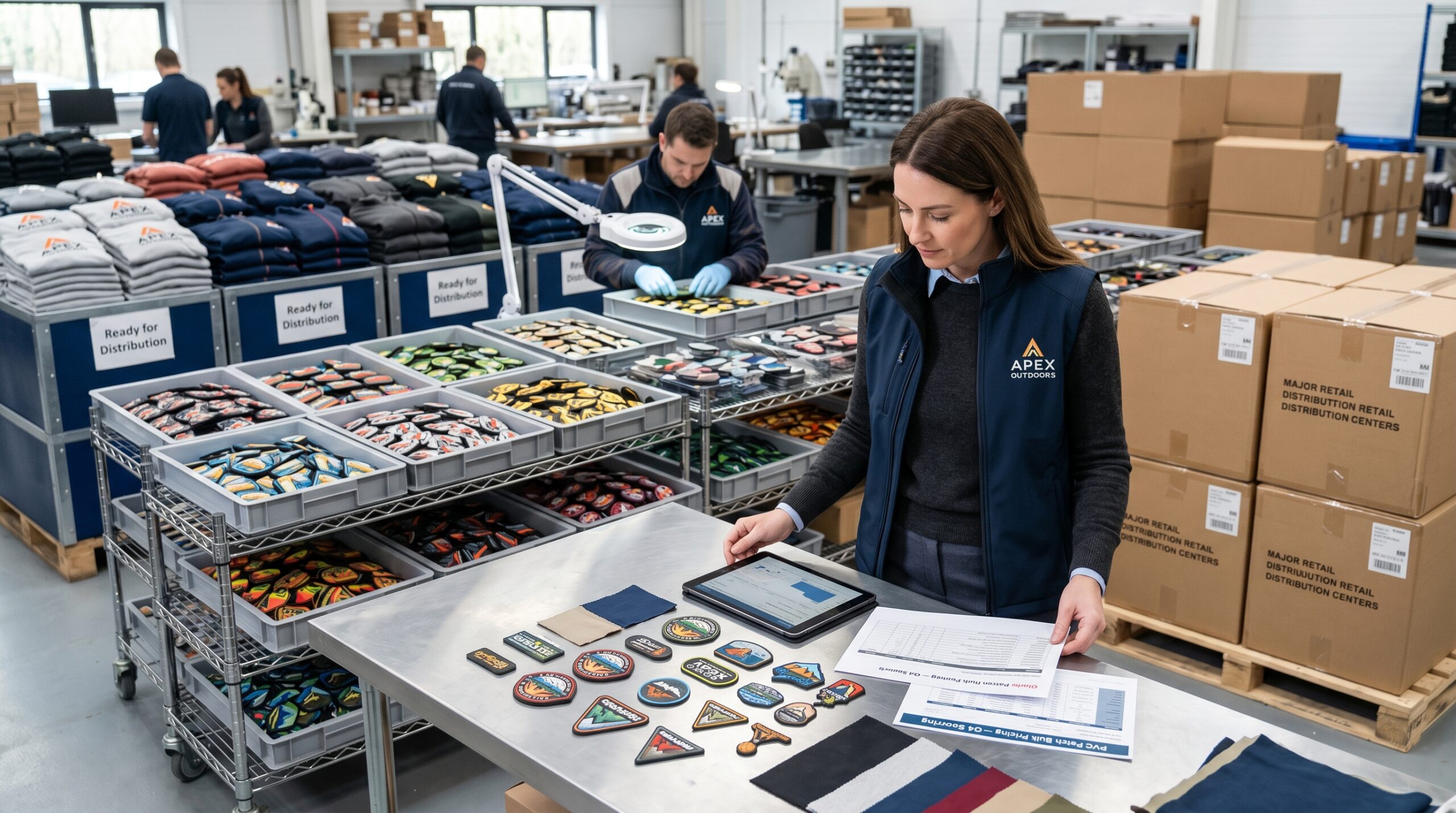
FAQ: PVC Patches in Summer Fashion
What are PVC patches made of?
PVC patches are made from polyvinyl chloride, a soft and flexible rubber-like plastic material that is molded into custom shapes and designs.
Are PVC patches waterproof?
Yes. PVC patches are fully waterproof and do not absorb moisture, making them suitable for outdoor clothing, activewear, and summer apparel.
How long do PVC patches last on clothing?
With proper attachment, PVC patches maintain their shape, color, and flexibility for several years under normal wear and wash conditions.
Can PVC patches be used on hats and caps?
Yes. PVC patches for hats and caps are a popular application. The firm surface of structured headwear provides a stable base for molded patch designs.
What is the minimum order quantity for custom PVC patches?
Minimum order quantities vary by supplier, but most PVC patches manufacturers set minimums between 50 and 100 units per design for custom orders.
How are PVC patches attached to clothing?
PVC patches attach via sew-on backing, iron-on adhesive, Velcro backing, or adhesive backing depending on the garment type and end-use requirement.
Are PVC patches better than embroidered patches for summer wear?
For outdoor, athletic, and high-moisture applications, PVC patches offer advantages in waterproofing, color retention, and durability. Embroidered patches remain preferred for traditional or heritage aesthetics.
Closing Note
PVC patches are a practical, scalable, and visually effective branding solution for summer apparel collections. Their physical properties align with the demands of summer wear, and their production consistency supports brand standards across large order volumes.
For clothing brands, streetwear labels, outdoor apparel manufacturers, and promotional merchandise buyers, custom PVC patches offer a reliable path from artwork to finished product without the limitations that affect other patch types in warm-weather conditions.