
Choosing between custom patches for corporate uniforms, promotional hats, or retail apparel branding presents a structural decision for procurement managers. Businesses frequently compare embroidered patches vs woven patches to determine which production method accurately reproduces corporate logos while maintaining long-term structural integrity. While these two options appear identical at a glance, they differ fundamentally in thread density, surface texture, manufacturing machinery, and handling of fine graphic details.
Using the wrong production method can lead to illegible small text, distorted brand imagery, or incompatible patch thickness on lightweight garments. This comprehensive B2B guide breaks down the technical differences, material specifications, and manufacturing processes of both custom embroidered patches and custom woven patches so you can select the correct option for your bulk commercial order.
At custompatches4u, we manufacture high-volume orders of both embroidered patches and woven patches for uniform suppliers, apparel brands, and corporate distribution. Read our detailed technical breakdown below to optimize your patch production strategy.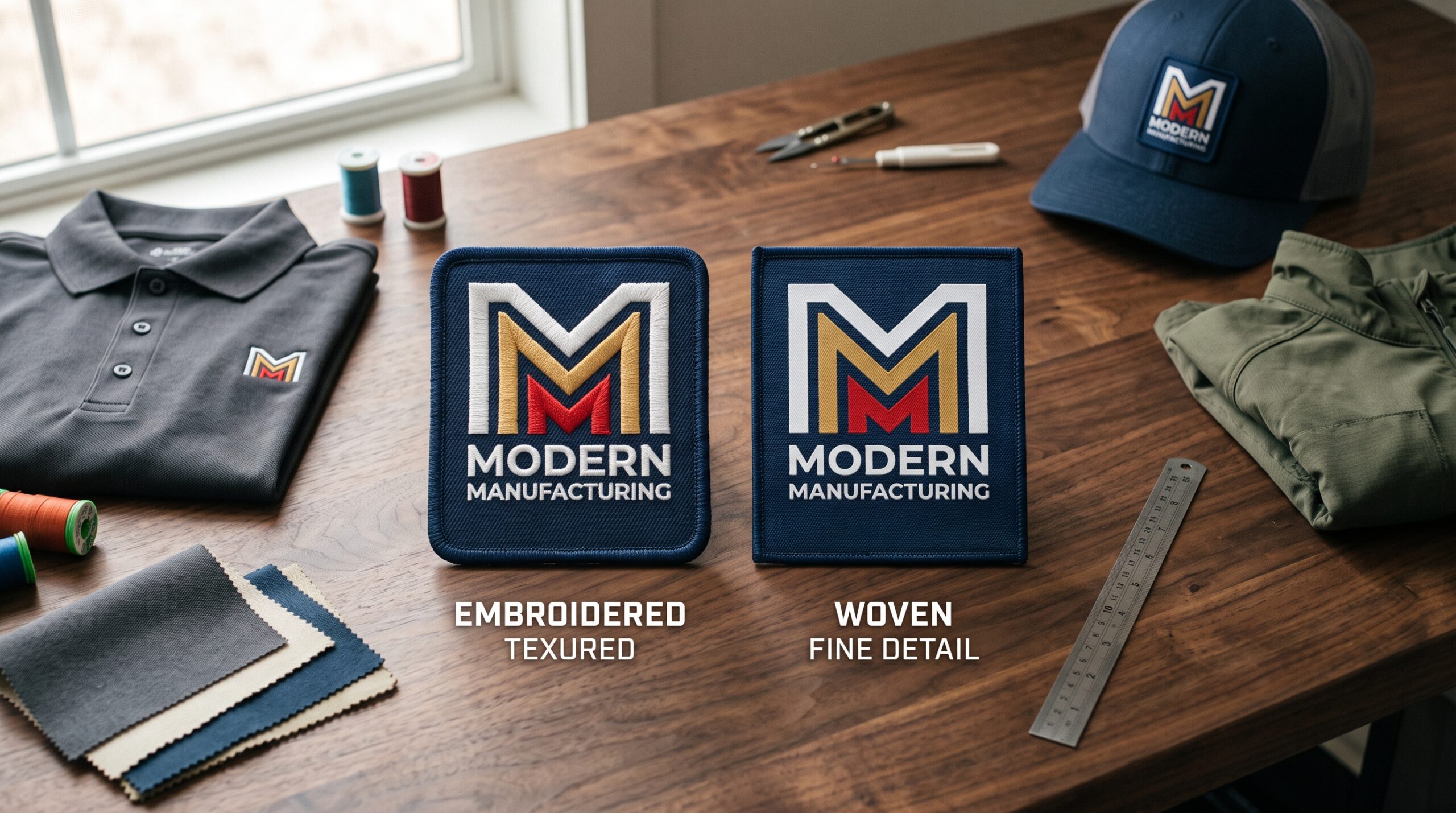
What Is the Difference Between Embroidered and Woven Patches?
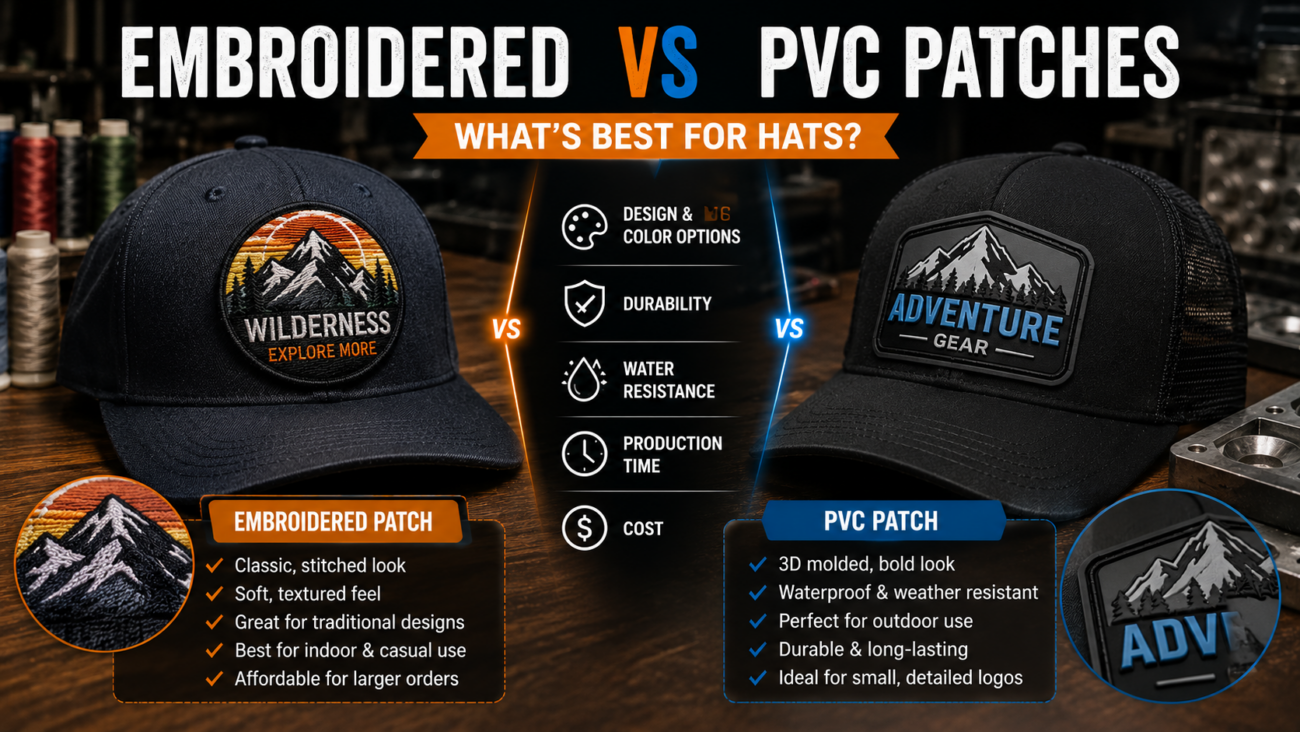
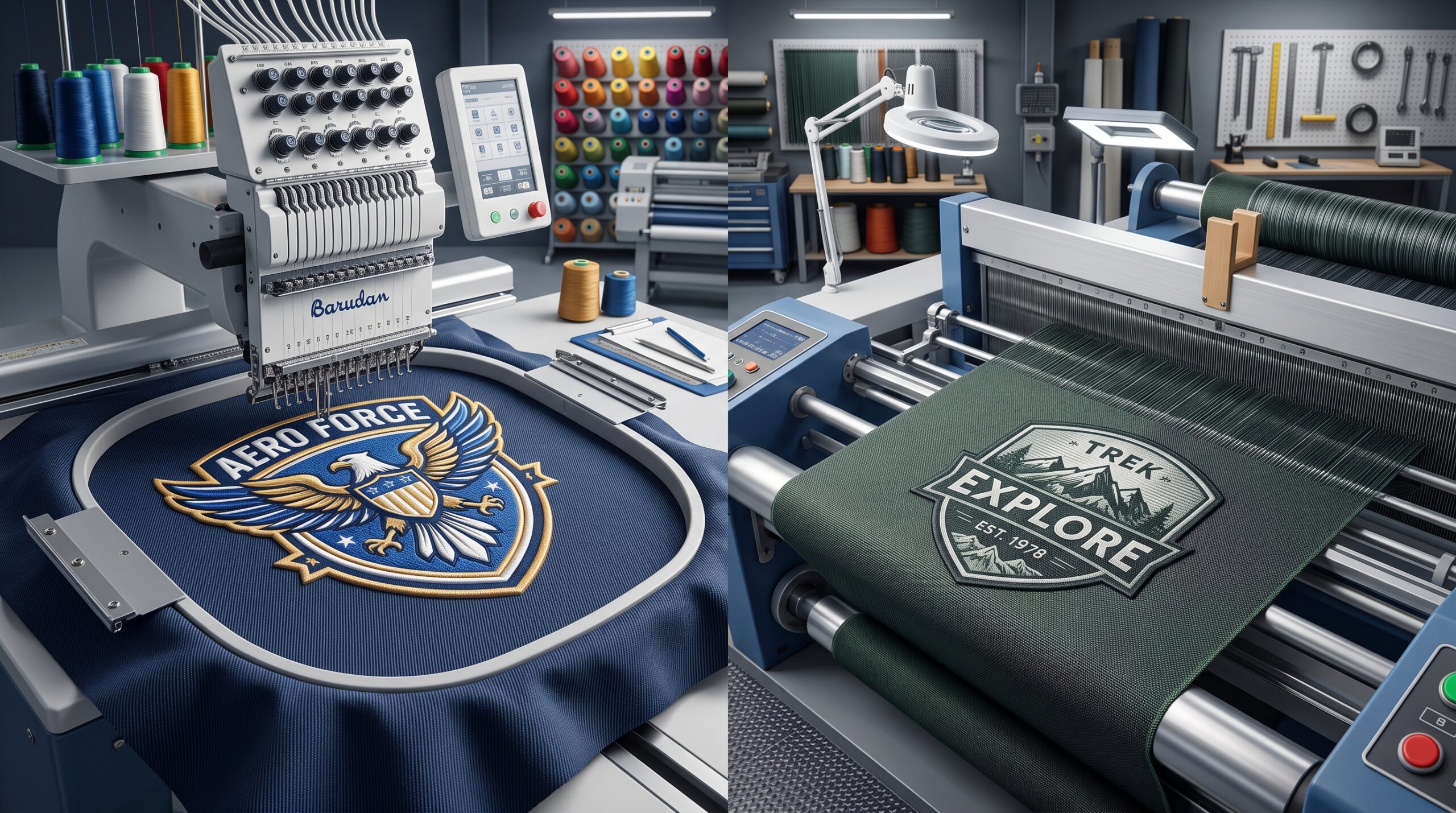
The core difference between embroidered and woven patches lies in their structural fabrication. An embroidered patch vs woven patch comparison shows that embroidery builds a design by stitching thick threads on top of an existing fabric canvas, whereas weaving synthesizes the entire patch structure and the logo simultaneously on a loom using micro-thin threads.
Direct Answer for Google Featured Snippet
The main difference between embroidered and woven patches is their construction method and surface texture. Embroidered patches utilize thick rayon or polyester threads stitched onto a twill backing, creating a raised, three-dimensional tactile surface. Woven patches use thinner, high-density threads woven together to form both the design and the fabric simultaneously, resulting in a flat, smooth finish with high graphic resolution.
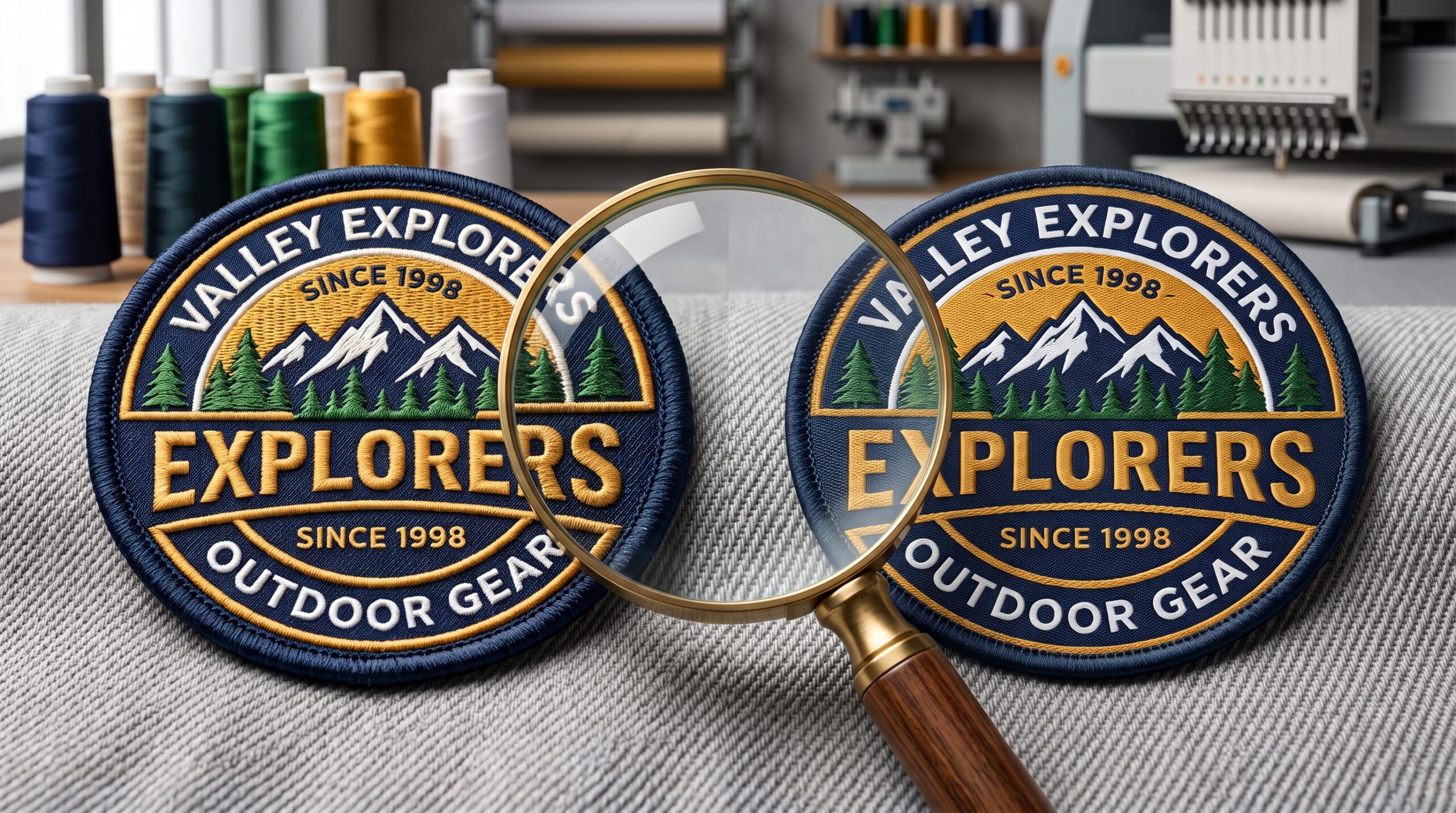
Technical Attributes of Embroidered Badges
- Fabrication: Computerized embroidery machines apply threaded patches patterns onto standard twill bases.
- Texture: Raised, stitched patches structure that offers distinct physical depth.
- Graphic Fit: Optimized for bold shapes, simple vector lines, and solid color blocks.
- Aesthetic: Traditional, authoritative appearance common in corporate uniform patches and emergency services.
Technical Attributes of Woven Badges
- Fabrication: High-speed mechanical looms interlace the warp and weft threads directly.
- Texture: Flat, uniform woven texture that feels identical to high-end garment labels.
- Graphic Fit: Engineered specifically for complex logo patches containing fine text, narrow linework, or gradient shading.
- Aesthetic: Modern, minimalist, clean style utilized heavily by contemporary fashion labels and outdoor gear brands.
Why Choosing the Right Patch Type Matters for Businesses
Selecting between embroidered vs woven badges directly impacts brand accuracy, project budgeting, and garment utility. Making the correct choice during the pre-production design review prevents costly bulk reorders and ensures uniform consistency across your organization.
Direct Answer for Google Featured Snippet
Choosing the correct patch type ensures brand accuracy, budget efficiency, and garment compatibility. Detailed logos with small text lose legibility when embroidered, leading to defective corporate branding. Conversely, using complex woven processes for simple designs can increase setup costs unnecessarily. The right patch choice ensures appropriate thickness, weight, and durability for the target uniform or retail apparel.
- Preserving Brand Accuracy: Corporate logo patches must match original vector brand standards. If a logo contains fine text, embroidery threads can bunch together, creating unreadable text. High-resolution patches created through weaving preserve clean brand typography.
- Optimizing Procurement Budgets: For simple designs with bold geometric borders, traditional stitched patches offer a highly cost-effective bulk production loop. Matching design complexity to the correct manufacturing process keeps your cost per unit within target margins.
- Garment Compatibility and Weight: Heavy embroidered uniform patches can cause lightweight fabrics, such as performance polyester polo shirts or athletic wear, to sag or pucker. Lightweight woven uniform patches maintain the drape and comfort of modern synthetic textiles.
- Long-Term Batch Consistency: For nationwide uniform programs, ensuring consistency across separate apparel production runs prevents fragmented branding. Establishing explicit patch specifications ensures that pieces ordered months apart remain visually identical.
To check physical material differences before locking in your commercial production run, you can order a sample today from our engineering team.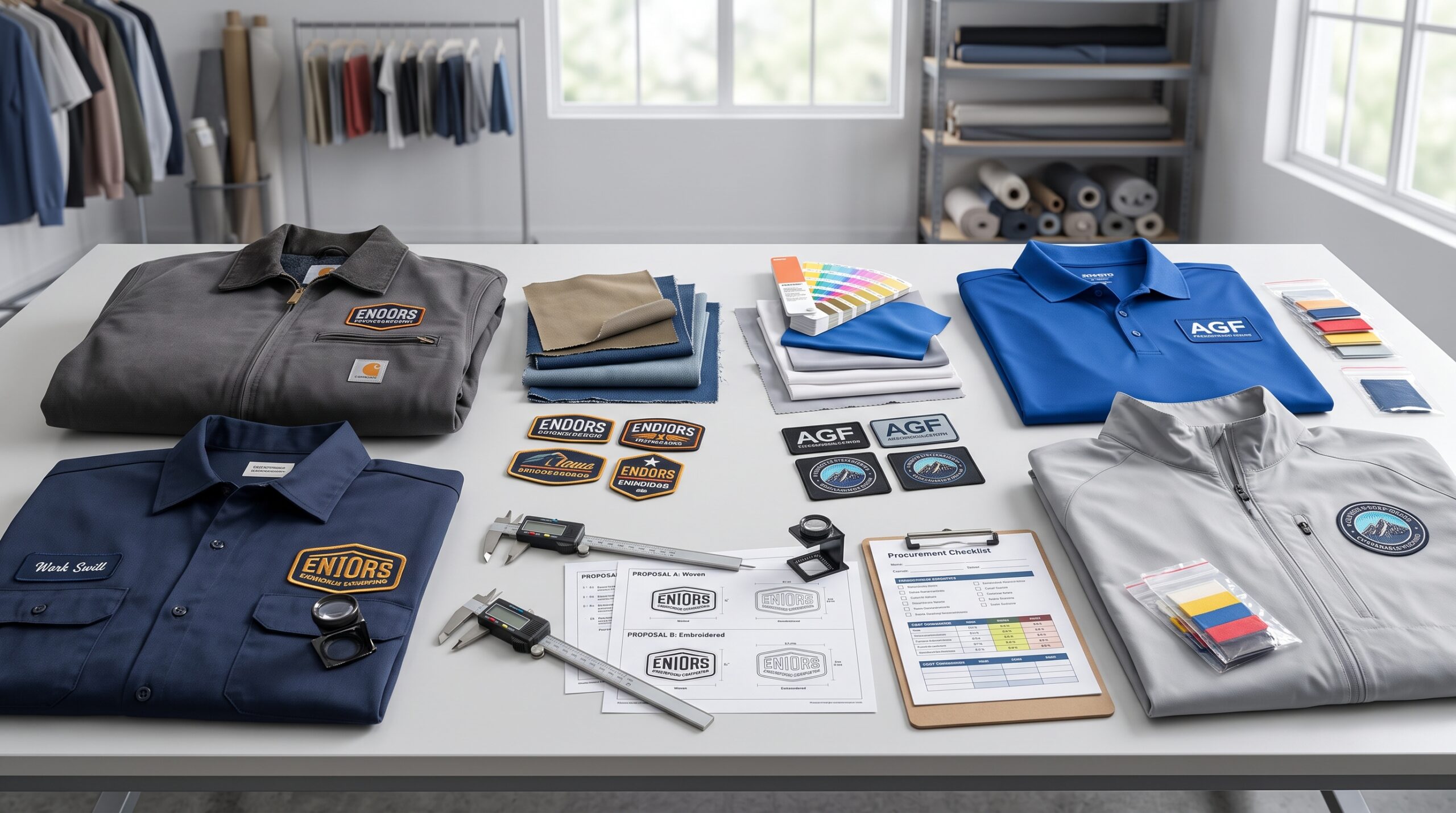
Key Features and Specifications of Embroidered and Woven Patches
A detailed patch material comparison reveals how thread density and physical thickness alter the application potential of embroidered vs woven badges. Both options support identical patch backing options, meaning your choice rests entirely on design detail and preferred surface texture.
Direct Answer for Google Featured Snippet
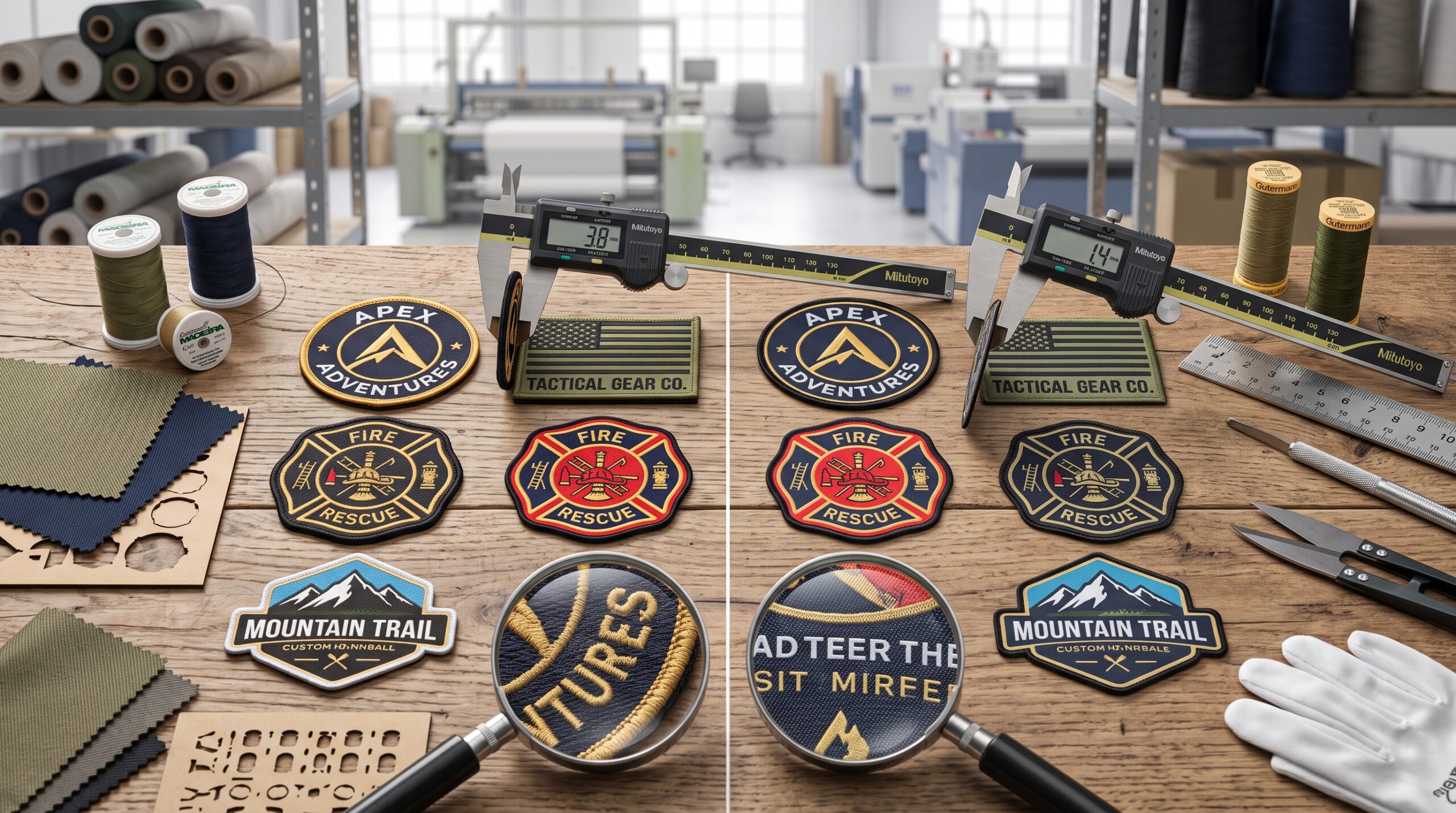
Embroidered patches feature thick, layered stitching (1.5mm–2.0mm thickness) with a traditional merrowed border, making them ideal for rugged, high-friction uniform applications. Woven patches feature a lower profile (0.8mm–1.0mm thickness) and high thread density, finished with a precise laser-cut or heat-cut edge, optimized for fine details and flexible apparel placement.
Specifications of Custom Embroidered Patches
- Thread Selection: Heavy-gauge rayon or polyester embroidery thread.
- Border Finishing: Traditional rolled merrowed border or precision heat-cut edge.
- Detail Limit: Minimum font size of 0.25 inches required to prevent thread overlapping.
- Physical Dimension: Stitched layers create a rigid, heavy structural badge.
- Durability Index: High resistance to physical friction, making them excellent embroidered name patches for industrial workwear.
Specifications of Custom Woven Patches
- Thread Selection: Micro-fine, high-tensile polyester yarns.
- Border Finishing: Clean laser-cut edge or low-profile merrowed border.
- Detail Limit: Capable of rendering text down to 0.08 inches with complete legibility.
- Physical Dimension: Thinner, flexible, lightweight textile patches profile.
- Durability Index: Flat surface structure prevents snagging or pulling in high-velocity athletic environments.
How Patch Manufacturing Processes Work
The operational differences between patch embroidery vs weaving dictate the timeline, design limitations, and physical outcome of your bulk order.
Direct Answer for Google Featured Snippet
Embroidered patches are manufactured by digitizing an artwork file into directional stitch paths, which an automated multi-needle machine then sews onto a twill base. Woven patches are manufactured on automated looms that interlace hundreds of micro-fine threads together, generating the design and the substrate fabric at the same time from raw yarn.
The Embroidered Patch Production Loop
- Digital Stitch Digitizing: Technical designers transform your graphic file into a specialized stitch map, outlining needle drop coordinates, thread tension parameters, and color changes.
- Base Setup: A durable twill substrate is stretched tightly across industrial embroidery frames to eliminate shifting during high-speed needle impacts.
- High-Speed Stitching: Multi-needle embroidery machine arrays execute the file, layering thread patches sequentially to generate the classic raised texture.
- Bordering and Cutting: The individual emblems are cut from the master sheet, and a specialized sewing machine applies a thick rolled merrowed border around the perimeter.
The Woven Patch Production Loop
- Loom Pattern Coding: Graphic designs are translated into a weaving grid that dictates how the vertical warp and horizontal weft threads cross over each other on a commercial loom.
- Thread Loading: Thousands of individual spools of thin polyester thread are threaded into high-capacity mechanical looms to achieve maximum thread density.
- Simultaneous Fabrication: The loom weaves the background base and the intricate logo patches detail inline from raw materials, generating an continuous sheet of smooth textile patches.
- Laser Cut Isolation: Automated precision lasers cut the patches out from the woven web, instantly cauterizing the edges to prevent fraying over the lifespan of the garment.
For bulk corporate programs needing fast turnaround times, contact our factory directly to request a quote or discuss your deadline.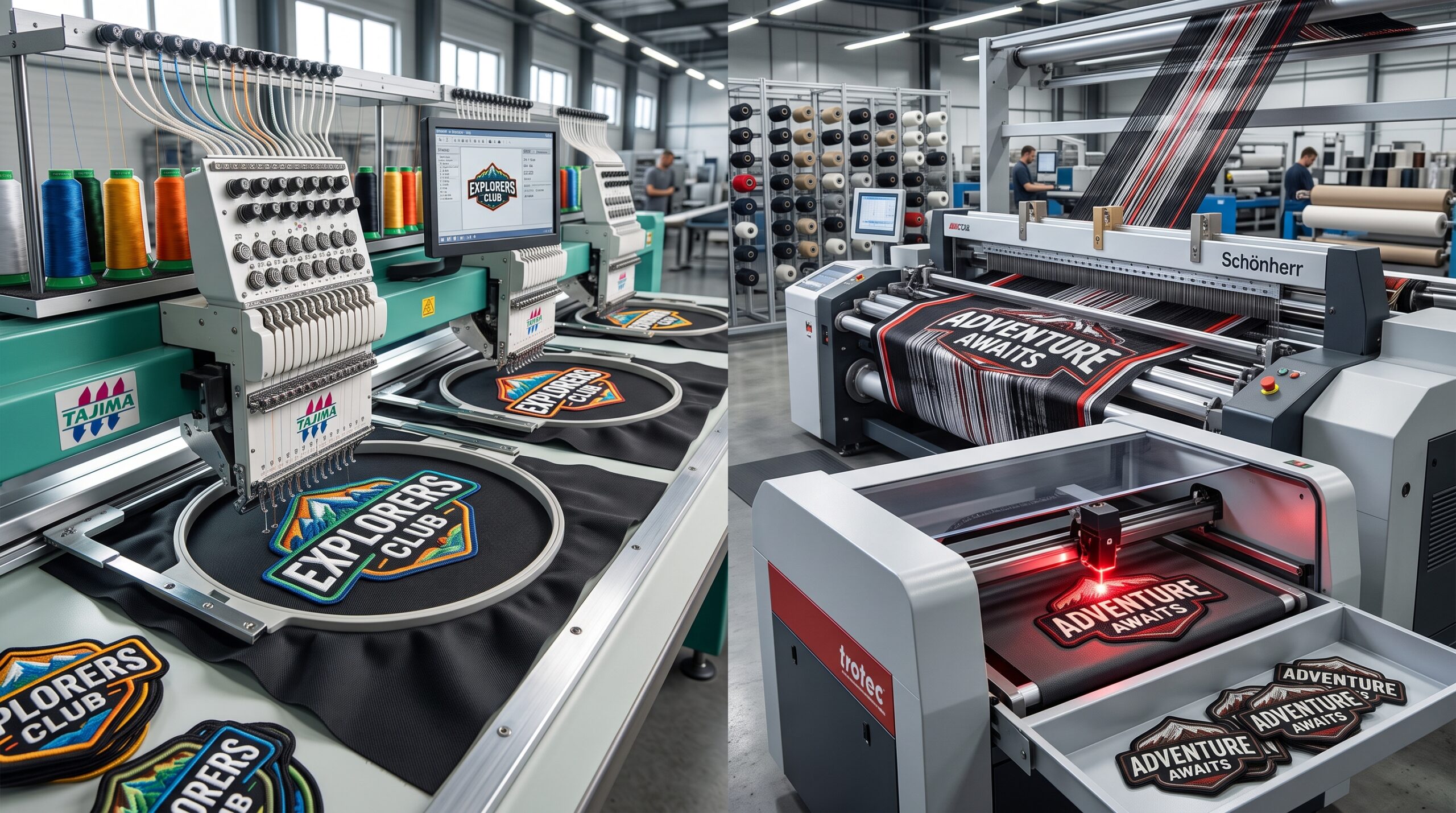
Benefits for B2B Buyers and Bulk Sourcing Managers
Procurement managers must weigh the operational advantages of embroidered patch benefits against woven patch benefits to maximize ROI on branding materials.
Direct Answer for Google Featured Snippet
Embroidered patches provide a high-value, traditional aesthetic that enhances brand perception on rugged workwear, offering cost savings on simple, high-volume designs. Woven patches deliver precise corporate logo reproduction for intricate artwork, minimizing garment puckering on lightweight corporate apparel while completely eliminating thread snagging risks.
Business Advantages of Embroidered Patches
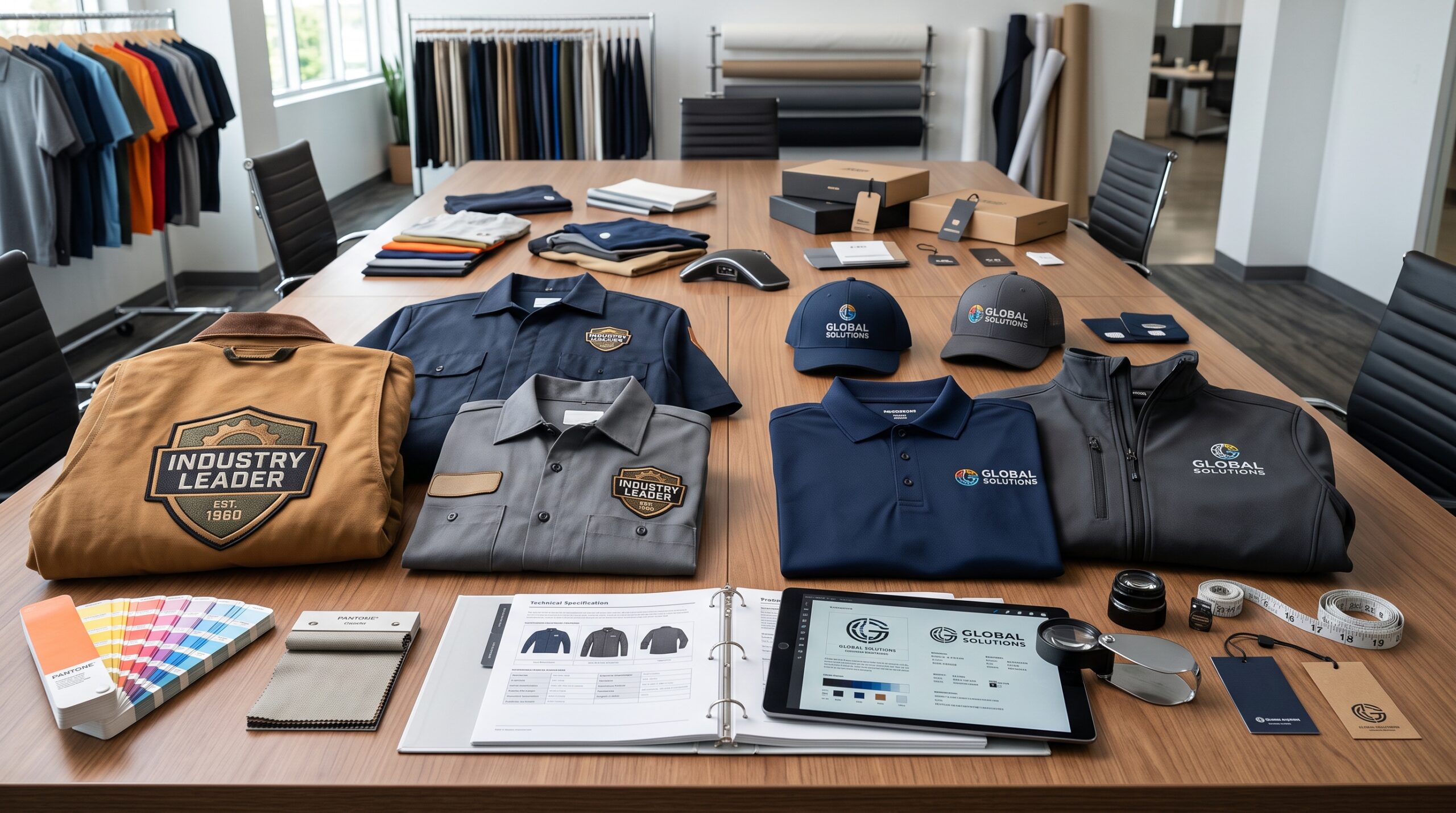
- Enhanced Classic Brand Perception: The heavy, 3D texture of embroidered emblems provides a premium tactile experience that consumers associate with established heritage brands.
- Cost Efficiency on Simple Logos: For bold team insignia or basic corporate branding, embroidery offers a highly economical per-unit cost structure at scale.
- High Industrial Rigidity: The dense construction withstands industrial laundry cycles, heavy chemical detergents, and intense mechanical friction on commercial uniforms.
Business Advantages of Woven Patches
- Flawless Resolution for Small Text: Woven emblems reproduce complex digital graphics, tracking numbers, or compact web URLs without loss of legibility.
- Lightweight Apparel Optimization: The low weight and flexible nature prevent thin modern performance shirts, caps, and outerwear from warping or bunching.
- Snag-Resistant Surface: Because the thread profile is completely flat, there are no exposed thread loops that can snag on outdoor gear, branches, or tactical equipment.
Industry Use Cases and Applications
The choice between an embroidered vs woven patch often depends on the field environment where you deploy the decorated garment.
Direct Answer for Google Featured Snippet
Industrial, military, and corporate security fields prefer durable embroidered patches for their authoritative, high-profile look. Conversely, e-commerce fashion brands, performance sportswear manufacturers, and tech organizations select flexible woven patches to accommodate thin fabrics, detailed graphic typography, and modern, low-profile product branding.
Commercial Placements for Embroidered Patches
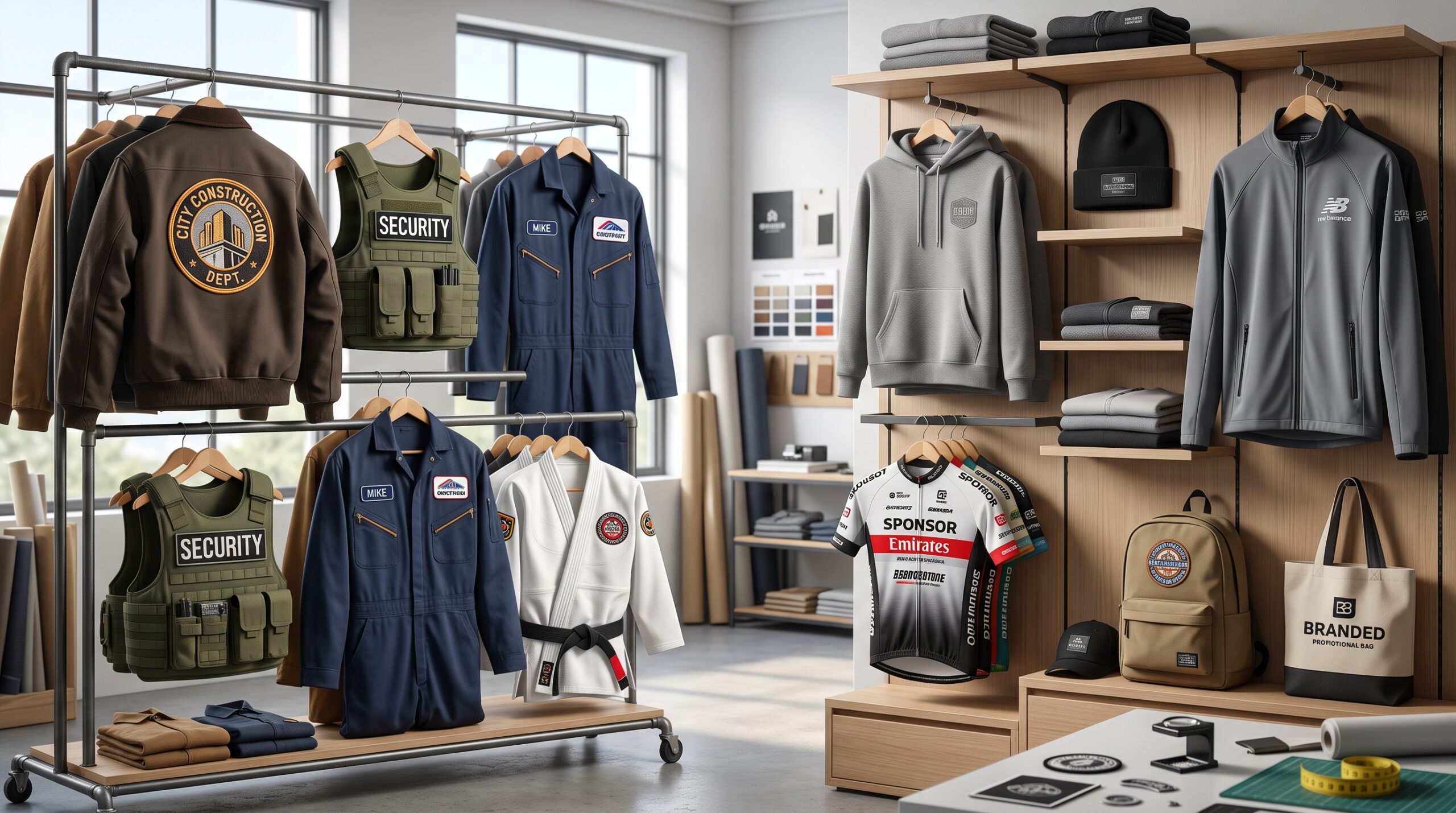
- Industrial Workwear Branding: Heavy-duty construction, field service engineering, and mechanical trades utilize embroidered uniform patches because the thick thread structure handles physical wear and heavy washing cycles cleanly.
- Public Safety and Security Insignia: Law enforcement, private security firms, and emergency medical services default to embroidered badge patches to maintain an authoritative public presentation.
- Athletic Clubs and Heritage Sports: Traditional golf clubs, martial arts academies, and varsity organizations choose embroidered emblems to preserve classic team aesthetics.
Commercial Placements for Woven Patches
- Streetwear and Fashion E-commerce: Contemporary clothing brands use custom woven patches for external hem tags, beanie decorations, and hoodie chest pieces where a sleek finish is required.
- Technical Outdoor and Fitness Gear: Brands creating running apparel, cycling kits, or lightweight camping gear implement woven logo patches to avoid adding unnecessary weight or stiffness to performance textiles.
- Detailed Promotional Merchandise: Corporate clients with highly detailed brand assets choose woven options to ensure exact color representation and crisp text on promotional hats and bags.
Customization Options and Ordering Process
At custompatches4u, we review every design structurally before manufacturing begins, which helps eliminate technical errors in your patch production run.
Direct Answer for Google Featured Snippet
To order custom patches, clients submit vector artwork for a technical compatibility check. Designers create a digital production proof detailing thread types, backing options, and border finishes. Once the proof is approved, the order proceeds to high-speed commercial production, quality control checking, and bulk delivery.
- Design Submission and Analysis: Send your design files, required physical dimensions, and volume metrics to our production desk. Our team evaluates your graphics to identify the best patch type for your logo details.
- Digital Proof Creation: We compile a comprehensive digital production rendering that illustrates exact color values, border parameters, and thread orientation for your final review.
- Backing and Border Specification: Select from versatile patch backing options tailored to your application needs, including standard sew-on borders, heat-activated iron-on adhesive, or heavy-duty hook and loop systems.
- Bulk Production and QA Review: Upon final artwork approval, your project enters our industrial manufacturing pipeline. Every batch undergoes strict quality control checks to confirm border sealing and graphic clarity before bulk packing and shipping.
If you are ready to submit your artwork files for a professional design review, click here to contact for bulk orders.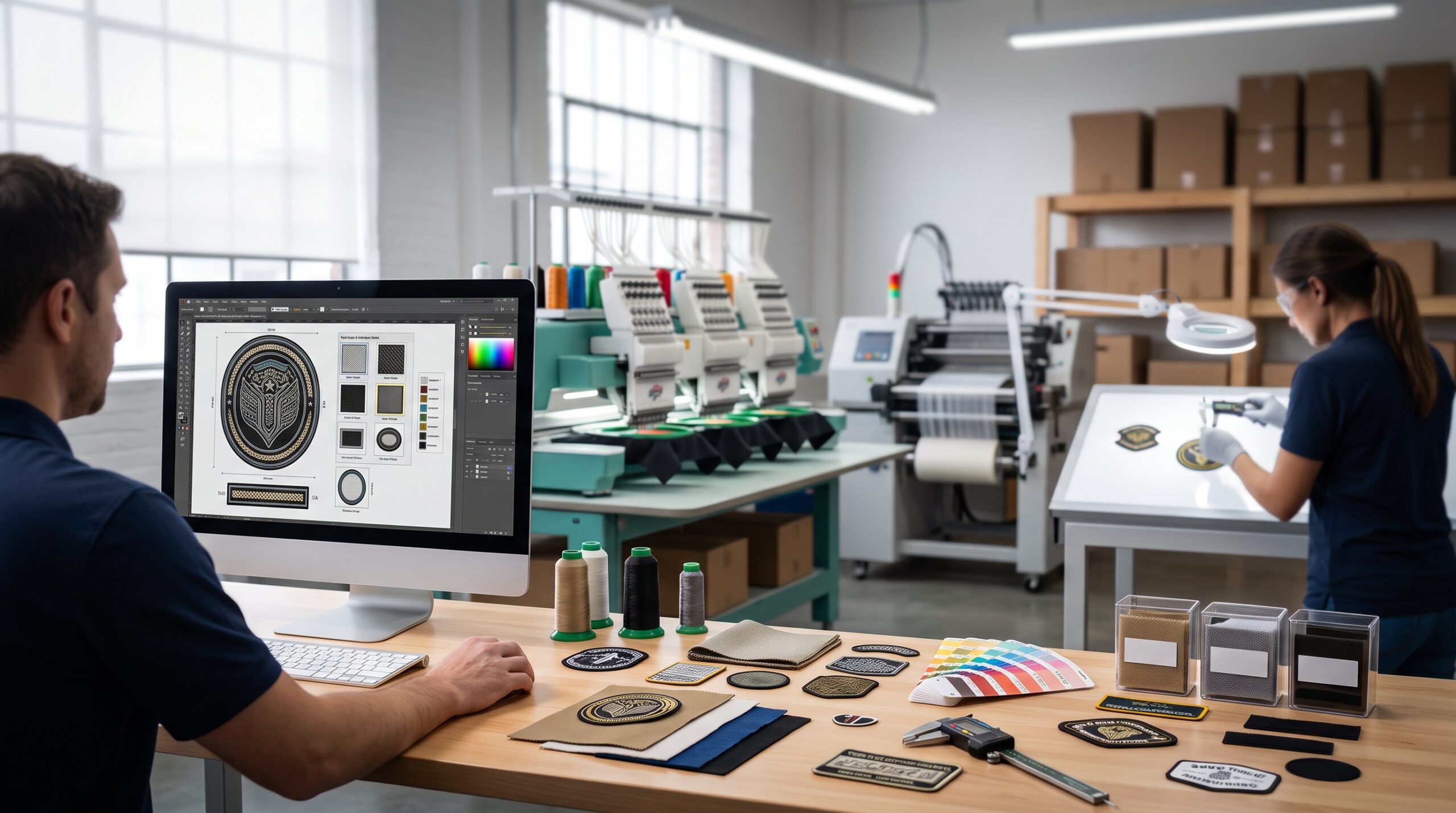
Why Choose custompatches4u for Your Patch Sourcing?
Sourcing your branding assets from custompatches4u ensures access to industrial-grade manufacturing infrastructure and dedicated B2B account support.
Direct Answer for Google Featured Snippet
custompatches4u delivers premium commercial patch manufacturing, blending advanced automated machinery with strict quality control. We offer specialized graphic digitizing reviews, matching your logo detail to the optimal production method. We archive all technical design specifications to ensure seamless, visually identical reorders for long-term uniform and apparel programs.
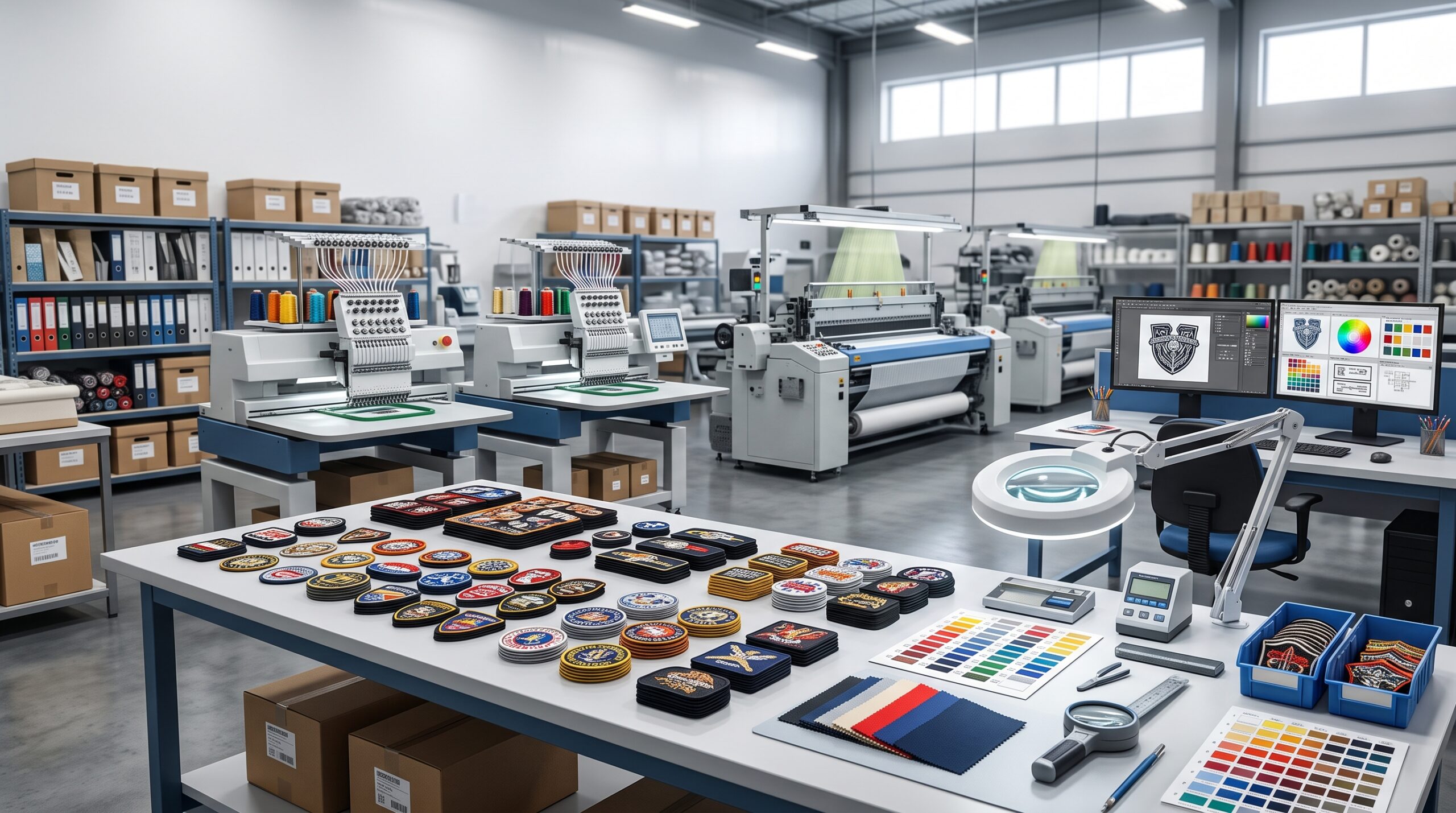
- Advanced Commercial Infrastructure: Our production facility utilizes automated multi-needle embroidery arrays and high-capacity textile looms, ensuring reliable print accuracy and consistent turnaround times for large bulk shipments.
- Expert Design Gatekeeping: We do not blindly process unreadable designs. Our engineering team examines every art submission, guiding you to the specific embroidered or woven process that preserves your brand elements.
- Archived Production Blueprints: We securely archive all digital stitch files, loom patterns, and material specification sheets. This meticulous record-keeping ensures that repeat production batches match your initial order perfectly.
Frequently Asked Questions
What is the difference between embroidered and woven patches?
Embroidery machines stitch thick threads onto an existing twill backing to create embroidered patches, producing a raised, textured, 3D surface. A loom weaves fine threads together to make woven patches, forming both the background fabric and design simultaneously for a flat, smooth finish.
Are woven patches better than embroidered patches?
Neither patch type is universally superior; choice depends on your design layout. Woven patches are better for complex logos containing fine lines and small text under 0.25 inches. Embroidered patches are better for clean, bold designs that require traditional texture and maximum physical thickness.
Which is better embroidered or woven patches?
The optimal choice depends on your specific artwork and garment application. If your logo has highly intricate graphic elements, weaving provides the best clarity. If your design is a bold, simple corporate emblem meant for rugged uniforms, embroidery is often preferred for its classic look and lower cost.
When should you choose embroidered patches?
Choose embroidered patches when your corporate logo features bold lines, large block text, and minimal fine detail. They are ideal for traditional workwear jackets, structured hats, service uniforms, and any application where a heavy, textured badge appearance is desired.
When should you choose woven patches?
Choose woven patches when your brand logo contains small lettering, thin geometric vectors, gradient color transitions, or intricate detail. They are also ideal for lightweight performance apparel, flexible caps, and modern fashion branding where a flat, low-profile finish is required.
Which patch is better for detailed logos?
Woven patches are significantly better for detailed logos. Because they utilize ultra-fine threads and a tight, high-density weave, they can render miniature text, crisp outlines, and complex graphic art that thick embroidery needles cannot replicate without blurring.
Are woven patches more durable than embroidered patches?
Both patch styles offer exceptional commercial durability, but they handle wear differently. Embroidered patches are thicker and highly resistant to surface abrasion on heavy workwear. Woven patches resist snagging and pulling because their surface is completely flat, making them highly durable on active apparel.
What are embroidered patches used for?
Businesses primarily use embroidered patches on commercial industrial uniforms, public safety badges, traditional sports team jerseys, varsity jackets, and rugged outdoor equipment bags that require a substantial, highly visible branding element.
What are woven patches used for?
Brands widely use woven patches on e-commerce fashion apparel, external hem labels, modern streetwear lines, promotional headwear, lightweight athletic uniforms, and technical outdoor gear that need flexibility and high graphic resolution.
Which patch is best for uniforms?
Embroidered patches are the industry standard for traditional, heavy-duty industrial workwear due to their classic appearance and thickness. However, woven patches are the best choice for modern corporate uniforms if the corporate logo features complex detail or if you apply the patch to thin, breathable polo shirts.
Which patch is best for hats?
Woven patches are excellent for unstructured caps or detailed logos because their thin profile allows them to conform smoothly to the curved front panel of headwear without puckering. Embroidered patches work exceptionally well on structured, heavy-front snapback hats where a thick, high-profile look is desired.
Are embroidered patches thicker than woven patches?
Yes, embroidered patches are noticeably thicker than woven patches. Embroidery builds up physical layers by stitching heavy thread on top of a base twill fabric, creating a depth of 1.5mm to 2.0mm, while flat woven patches maintain a sleek profile of 0.8mm to 1.0mm.
Which patch lasts longer?
Both patches feature a long operational lifespan when properly applied. Embroidered patches can endure harsher industrial laundering cycles and abrasive environments, while woven patches last longer on sportswear and garments exposed to friction because they have no raised loops to snag or fray.
Can woven patches have more detail than embroidered patches?
Yes, woven patches achieve higher detail resolution than embroidered patches. The thinner diameter of the polyester threads used in weaving allows for a much higher thread density per square inch, making it possible to reproduce sharp vector elements that embroidery cannot capture.
How do I choose between embroidered and woven patches?
Review the text size and line thickness of your vector logo file. If your text elements are under 0.25 inches or your artwork features fine lines, select woven patches for optimal legibility. If your design is bold and you want a traditional, raised, 3D texture, select embroidered patches.