
Custom patches serve far more branding purposes than most businesses realize, from daily uniform branding to one-time promotional giveaways to long-term loyalty rewards. Each use case works best with a specific patch type, whether that's durable embroidery for uniforms, colorful PVC for giveaways, or premium chenille and leather for recognition and merchandise. Matching the patch type to the specific goal, whether that's professionalism, visibility, or perceived exclusivity, determines how effective the patch actually is as a branding tool. When you apply patches strategically across these ten use cases, they become a consistent, physical extension of your brand identity.
Introduction
Custom patches show up in more places than most business owners realize, from employee uniforms to trade show giveaways to loyalty rewards. They’re durable, tactile, and instantly recognizable, which makes them one of the more underused tools in a brand’s marketing toolkit. This guide walks through the ten most effective ways businesses use custom patches, the patch type that works best for each, and how to decide which use case fits your brand right now.
Featured Snippet Answer
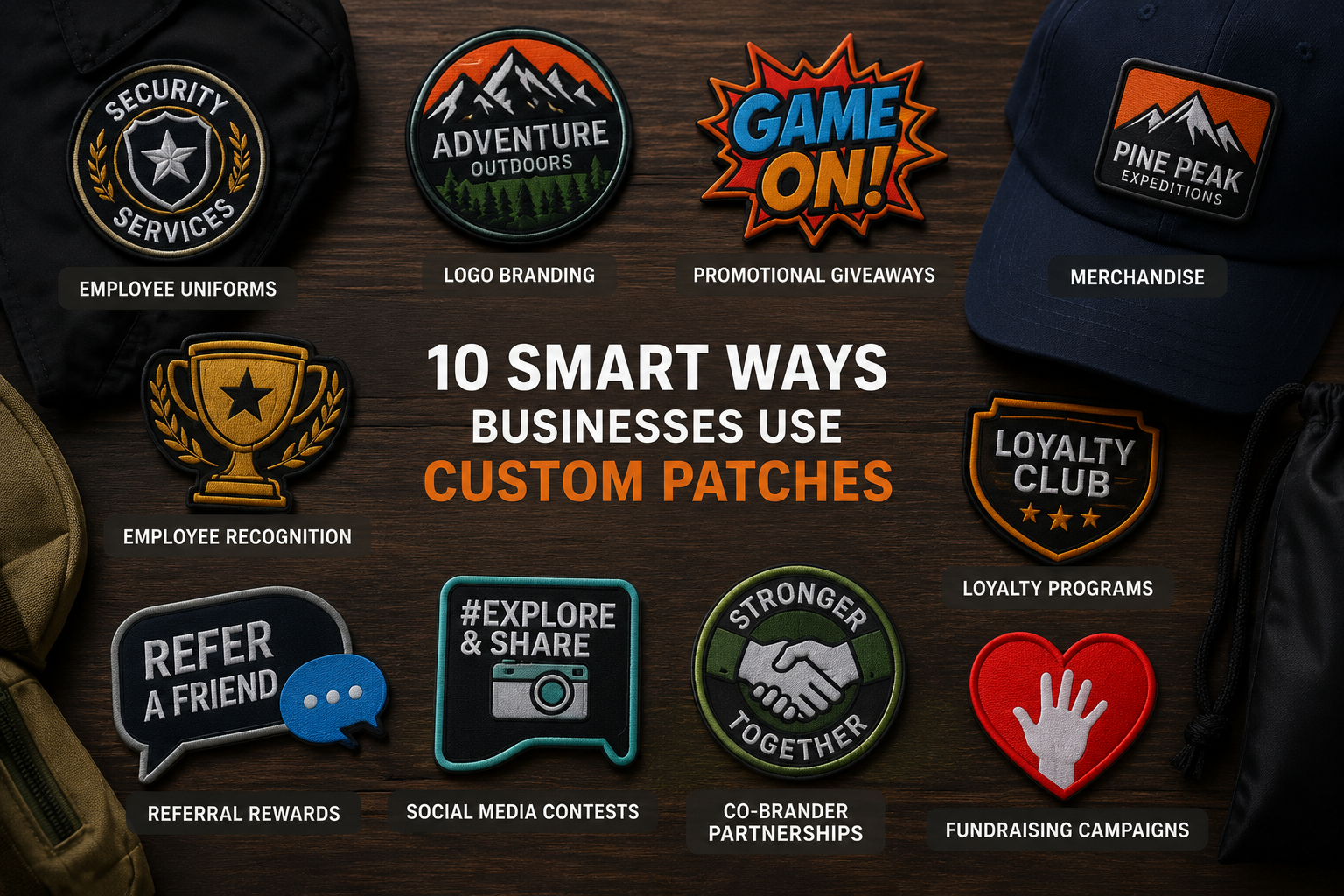
Businesses use custom patches for employee uniforms, logo branding, promotional giveaways, merchandise, employee recognition, loyalty programs, referral rewards, social media contests, co-branded partnerships, and fundraising campaigns. Each use case works best with a specific patch type, such as embroidered for uniforms or PVC for colorful promotional items. Matching the patch type to the use case determines how professional and durable the final result looks.
Why This Matters
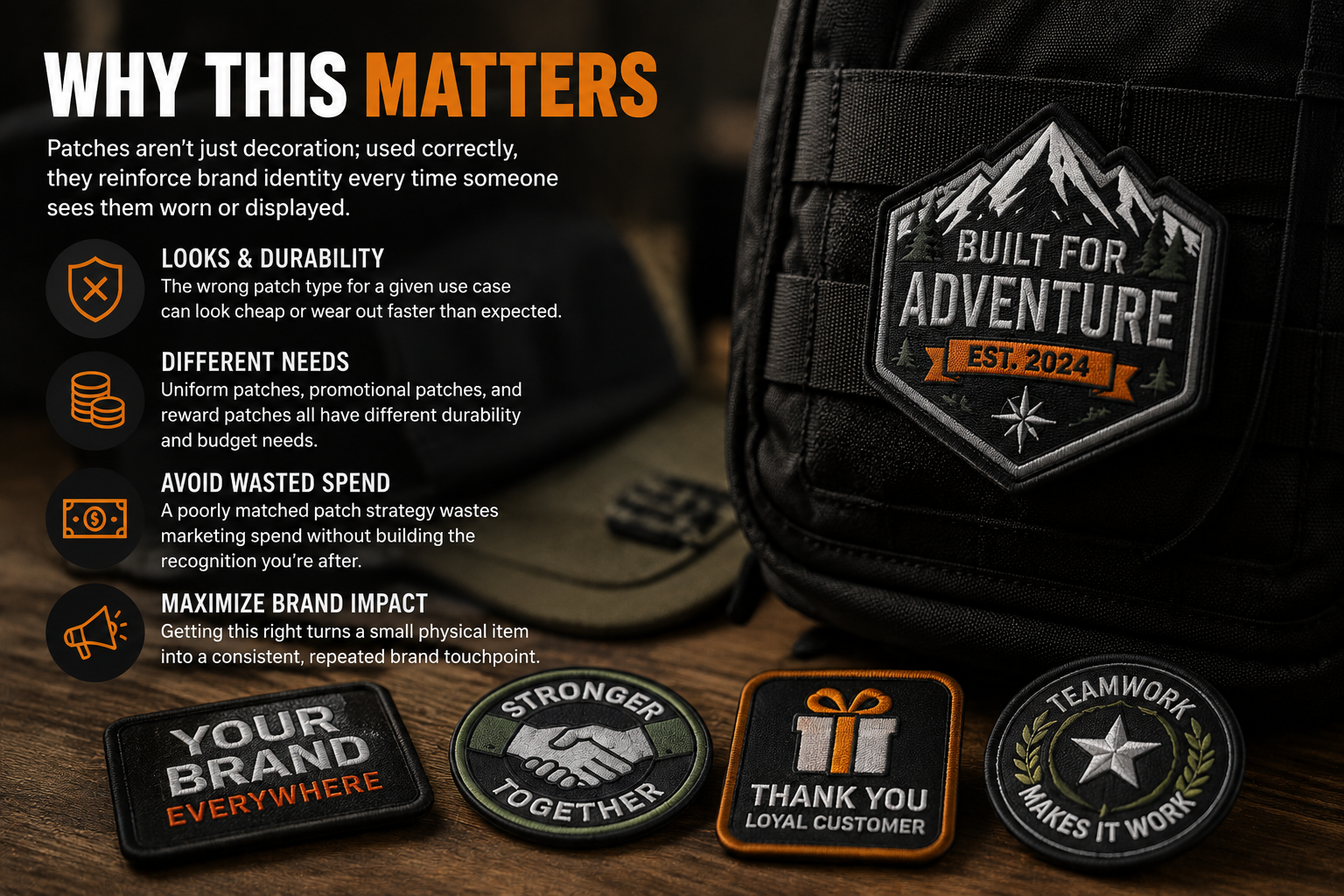
Patches aren’t just decoration; used correctly, they reinforce brand identity every time someone sees them worn or displayed. Here’s what’s at stake in choosing the right approach:
- The wrong patch type for a given use case can look cheap or wear out faster than expected
- Uniform patches, promotional patches, and reward patches all have different durability and budget needs
- A poorly matched patch strategy wastes marketing spend without building the recognition you’re after
- Getting this right turns a small physical item into a consistent, repeated brand touchpoint
What Are Custom Patches
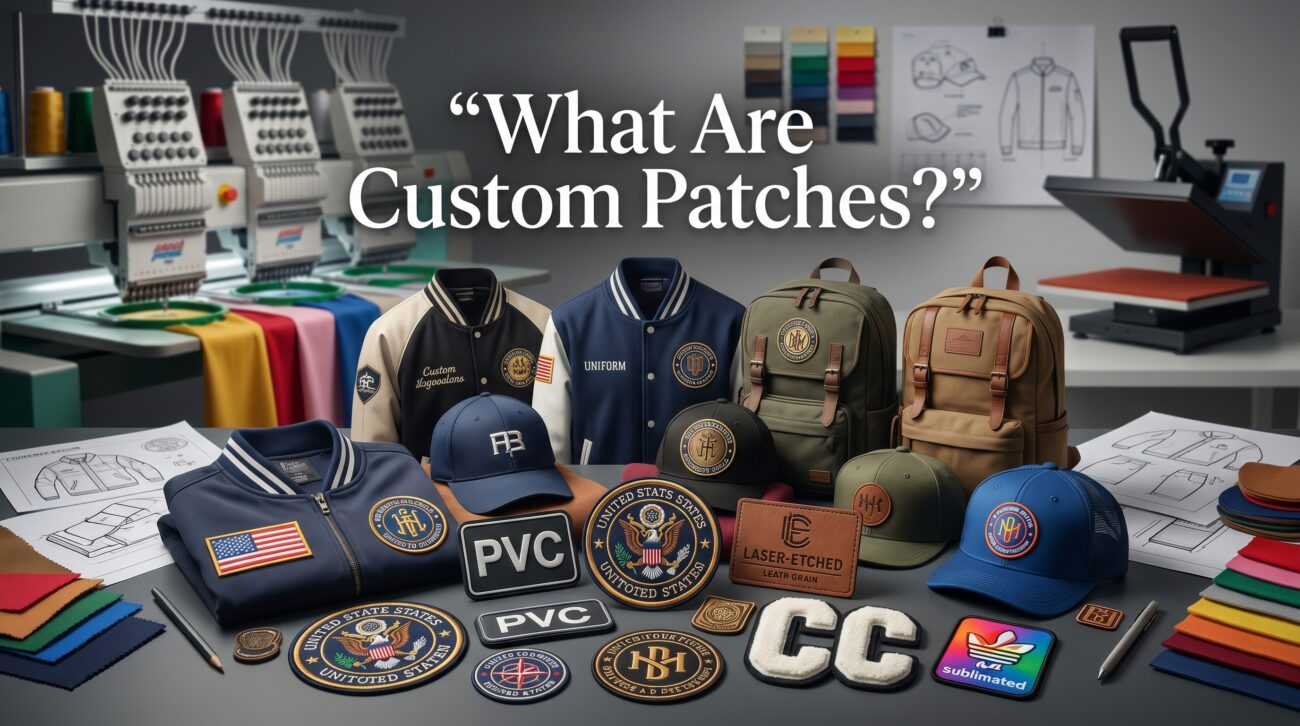
Custom patches are branded emblems that manufacturers create from embroidered thread, PVC, chenille, leather, woven material, or printed fabric, and businesses attach them to uniforms, merchandise, or accessories. They range from a small sew-on logo to a large, detailed 3D emblem, depending on the use case and budget. Unlike printed labels, patches carry a tactile, durable quality that reinforces perceived brand value. Businesses use them across nearly every customer and employee touchpoint, from daily uniforms to one-time promotional giveaways.
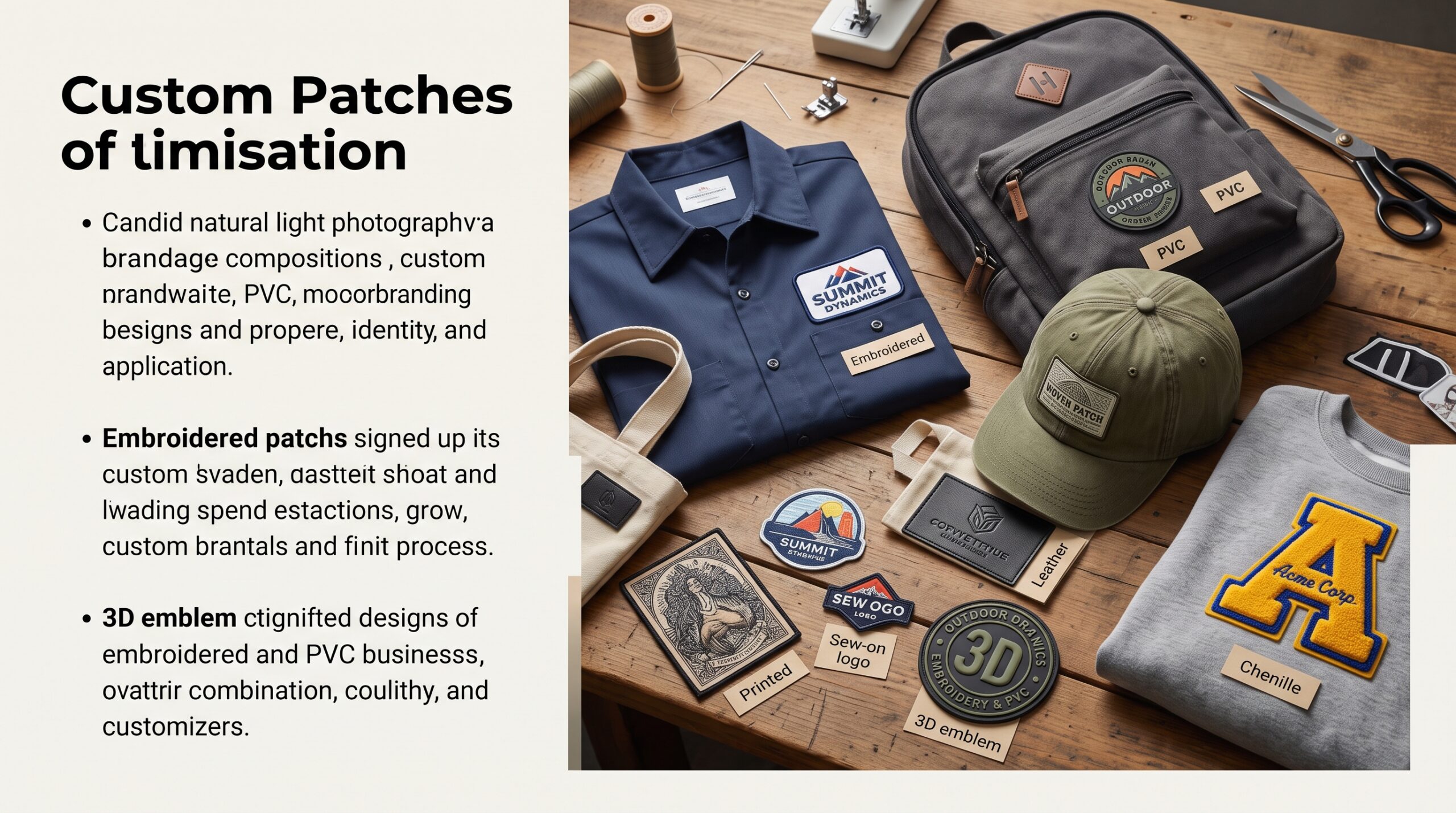
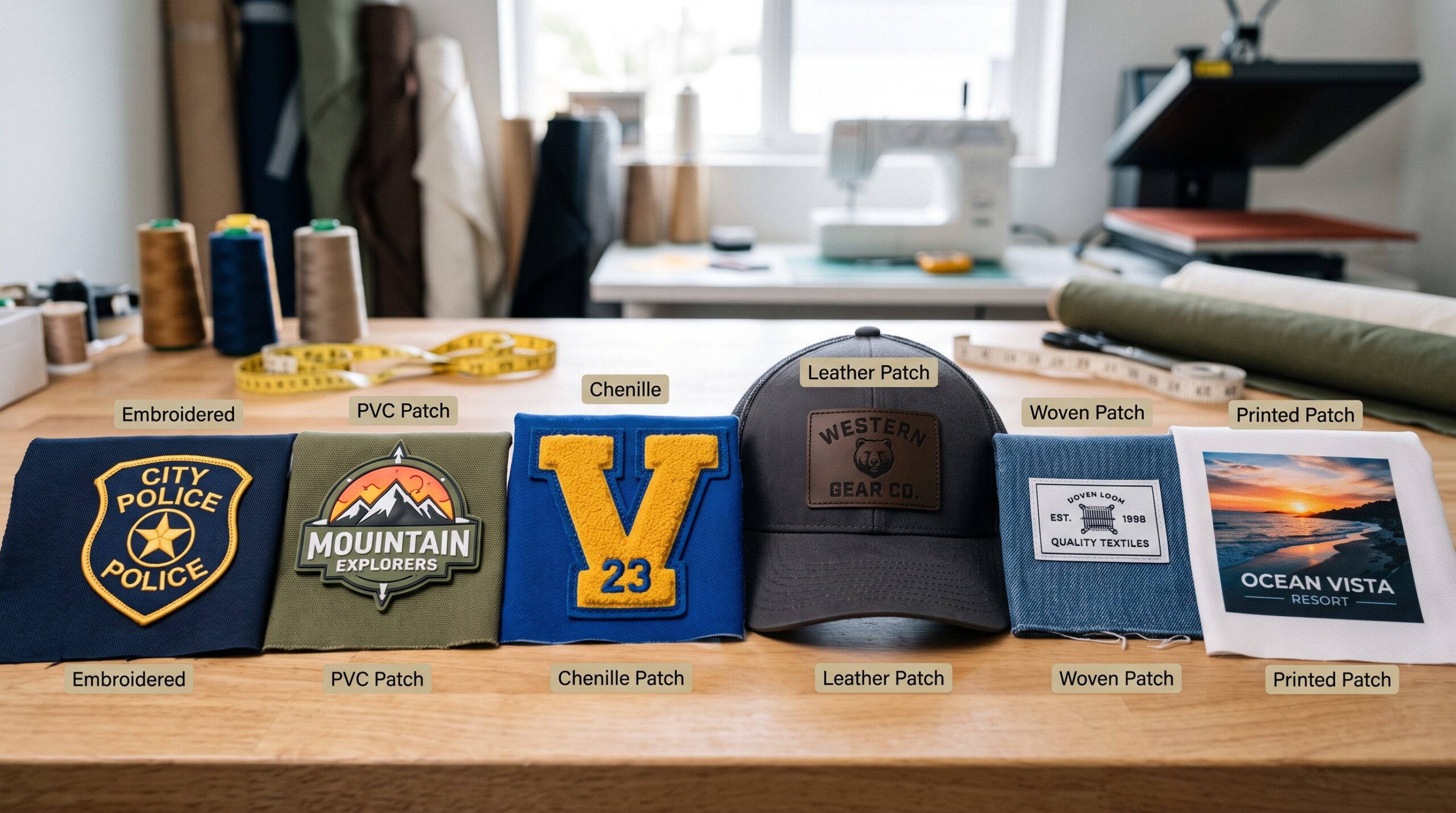
Patch Types Used Across These Use Cases
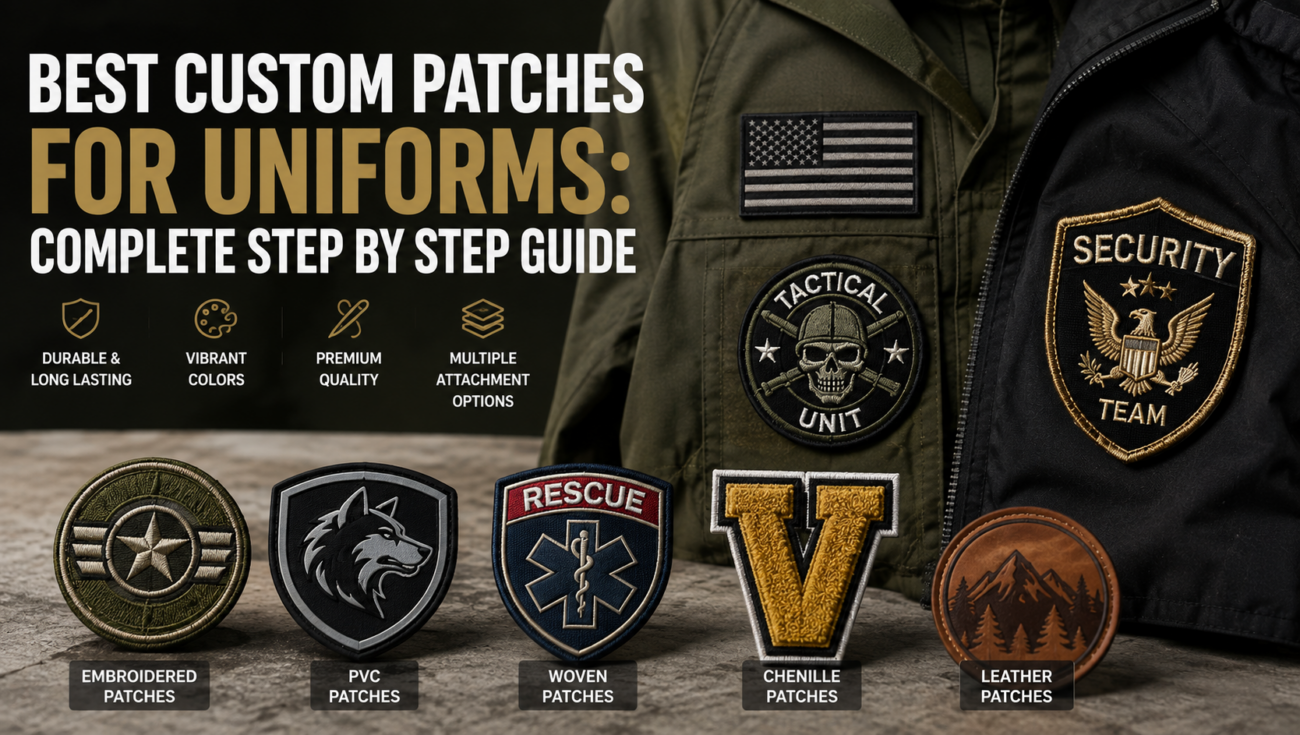
Different patch materials suit different branding goals, so it helps to know the basics before you look at specific use cases.
- Embroidered patches: Classic, textured look, ideal for uniforms and professional apparel
- PVC patches: Glossy, colorful, waterproof, ideal for outdoor gear and promotional items
- Chenille patches: Bold, raised texture, brands often use them for varsity-style branding and milestone awards
- Leather patches: Premium, understated look, common on caps and higher-end merchandise
- Woven patches: Flatter than embroidery, better for fine detail and small text
- Printed patches: Full-color, photo-realistic designs, useful for detailed logos on a budget
Use 1: Employee Uniform Patches for a Professional Look
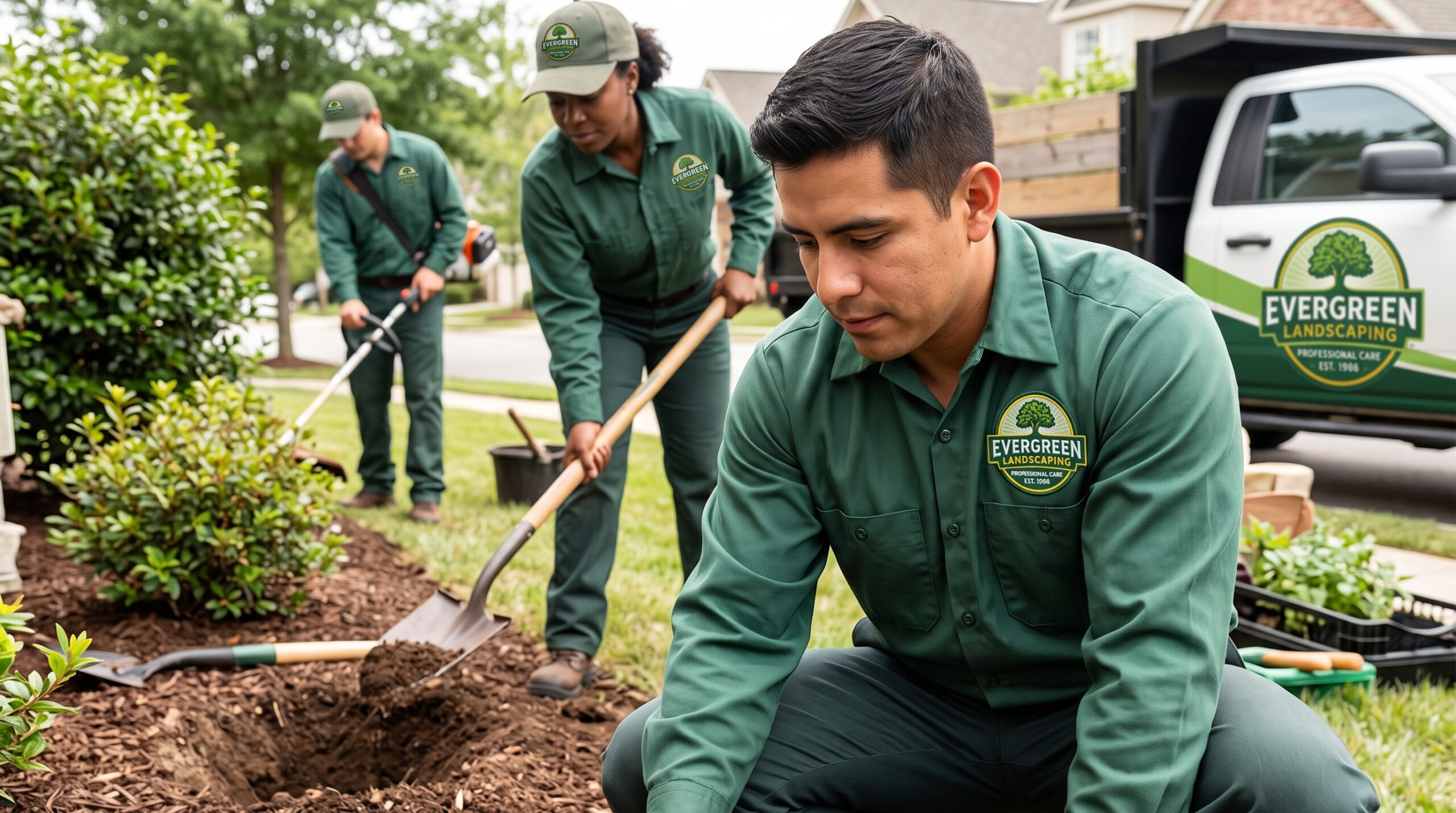
Employee uniform patches give staff a consistent, professional appearance while reinforcing brand identity at every customer interaction. Businesses typically choose embroidered patches here because they hold up to repeated washing and daily wear better than printed alternatives. For example, a landscaping company that outfits its field crews with embroidered logo patches creates an instantly recognizable, trustworthy presence at every job site. Businesses with customer-facing staff should treat uniform patches as a baseline branding investment, not an optional extra.
Use 2: Custom Logo Patches for Instant Brand Recognition
Custom logo patches on apparel, bags, or accessories create repeated brand exposure every time someone wears or uses the item. A well-designed logo patch works as a walking advertisement, especially on high-visibility items like jackets or backpacks. A coffee roasting brand that adds a small woven logo patch to apron straps, for instance, keeps its branding visible during every customer interaction without looking overdone. Businesses building long-term brand recognition should prioritize a patch design that reads clearly at a glance.

Use 3: Promotional Event Patches and Trade Show Giveaways
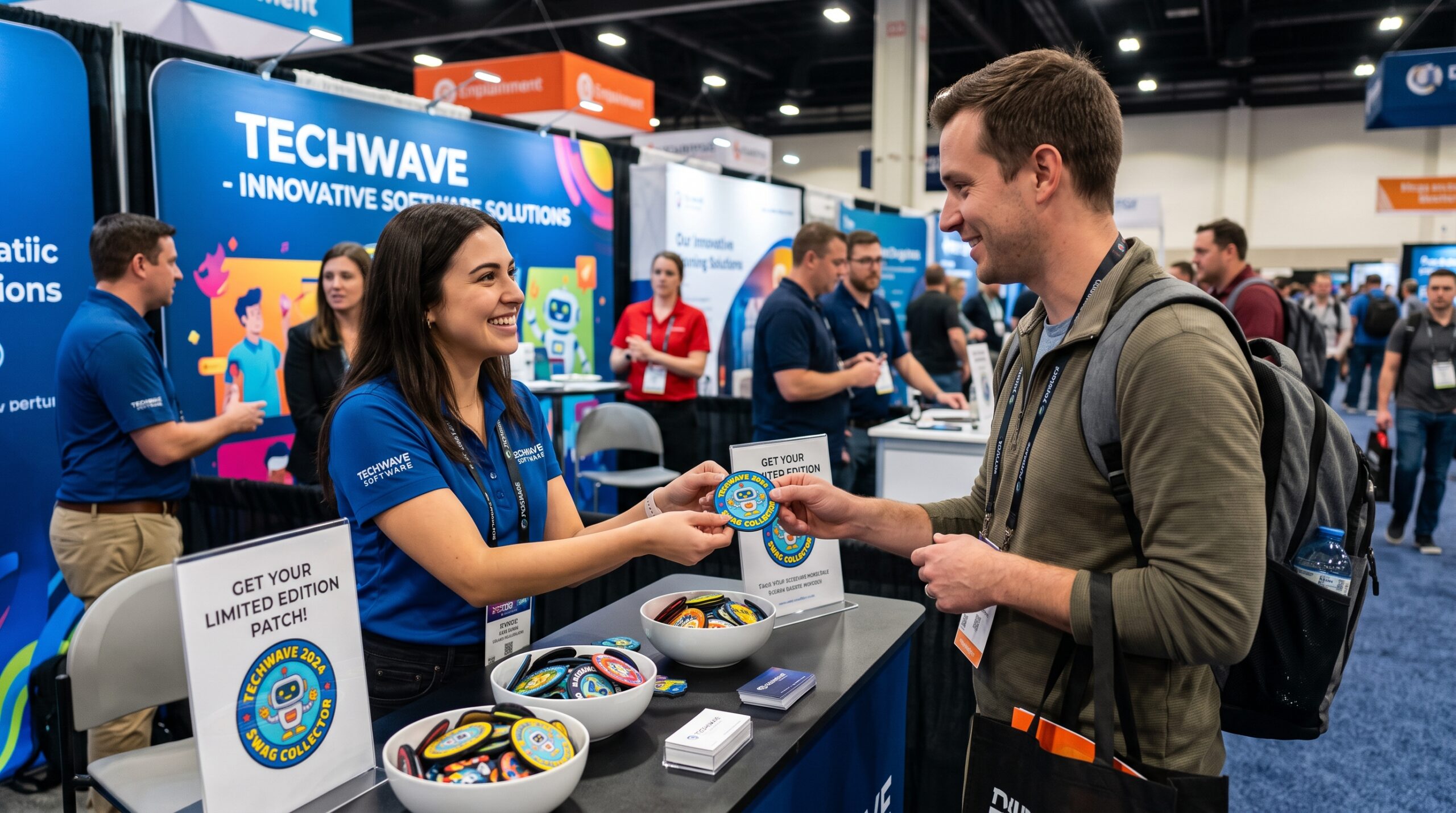
Promotional event patches work as a memorable, physical giveaway that outlasts printed flyers or business cards. Many businesses pick PVC patches here because they’re colorful, durable, and inexpensive to produce in bulk for events. A software company that hands out fun, colorful PVC patches at a trade show booth gives attendees a tangible item they’re more likely to keep than a paper flyer. Businesses attending trade shows or sponsoring events should consider patches as a higher-retention alternative to standard promotional swag.
Use 4: Branded Merchandise Patches for Hats, Bags, and Jackets
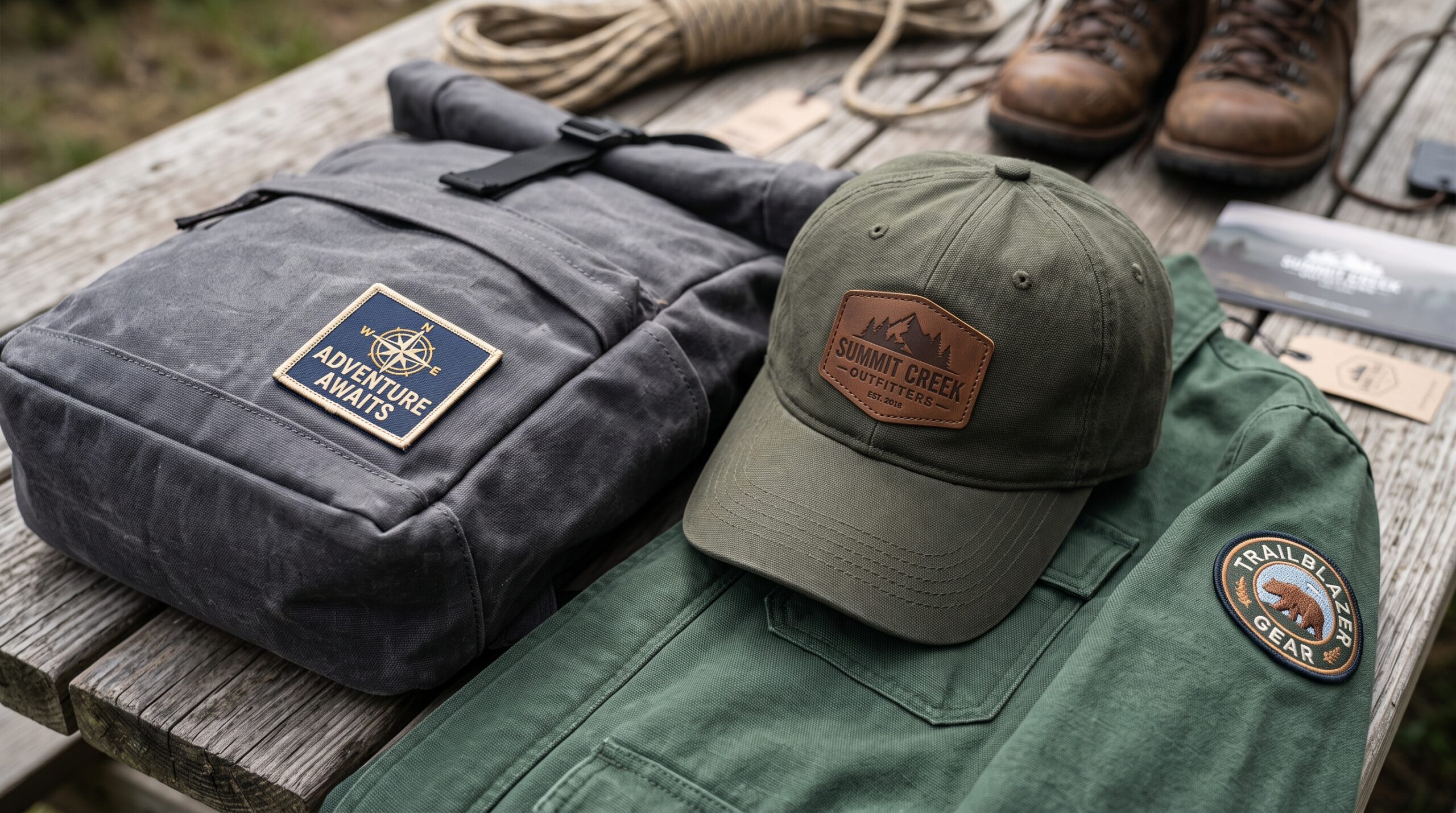
Branded merchandise patches turn everyday items like hats, bags, and jackets into extensions of your brand identity. Brands often pick leather or embroidered patches here since they add a premium feel that justifies merchandise pricing. An outdoor apparel brand that adds a leather patch to the back of branded caps, for example, signals quality and craftsmanship beyond a simple printed logo. Businesses selling branded merchandise should treat patch quality as directly tied to perceived product value.
Use 5: Employee Recognition and Milestone Patches
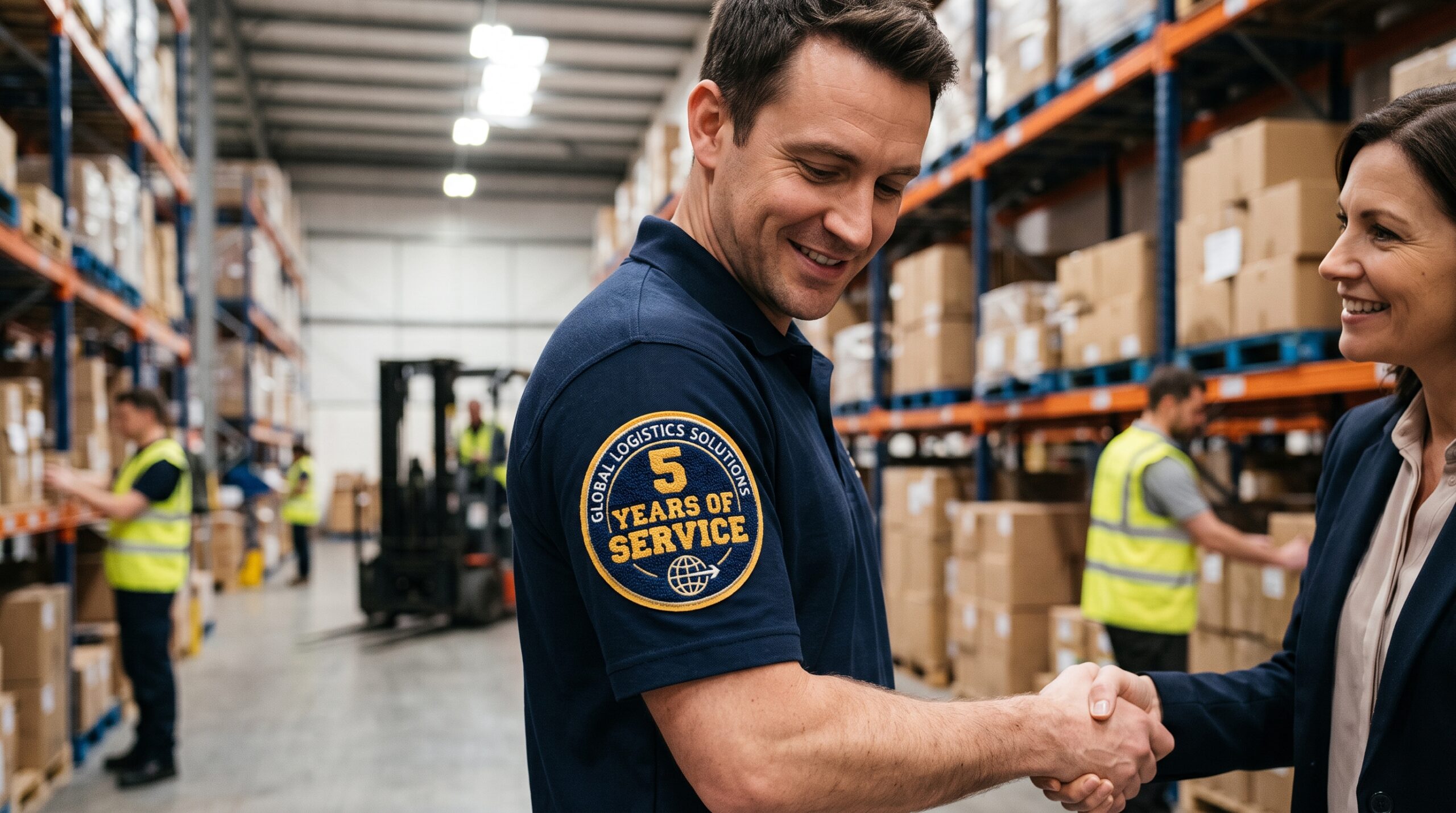
Employee recognition and milestone patches reward tenure, achievements, or specific certifications with a wearable, visible symbol of accomplishment. Chenille patches, with their raised, varsity-style look, work particularly well for this use case because they visually stand out as an earned badge. A logistics company that issues a chenille “5 Years of Service” patch to long-term employees creates a tangible, respected form of recognition that a certificate alone doesn’t provide. Businesses building internal culture and retention should consider recognition patches as a low-cost, high-impact incentive.
Use 6: Loyalty Program and VIP Patches
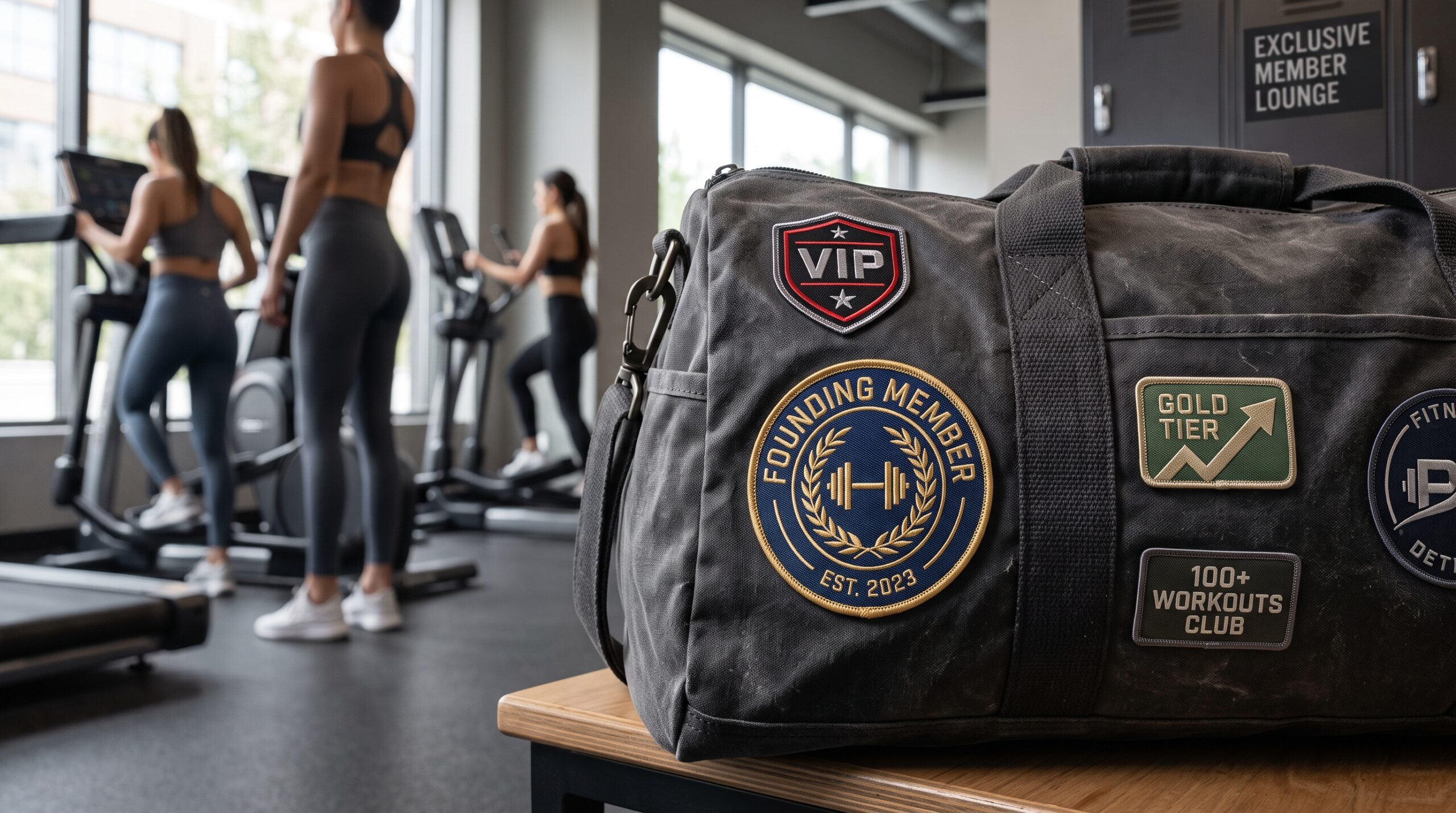
Loyalty program and VIP patches give top customers a physical marker of status that reinforces their connection to your brand. Embroidered or woven patches work well here when you attach them to a jacket, bag, or exclusive item you reserve for top-tier members. A specialty gym that offers a woven “Founding Member” patch to its earliest sign-ups, for example, builds a sense of exclusivity that a digital badge can’t replicate. Businesses running tiered loyalty programs should consider a patch as a physical reward tier above standard digital perks.
Use 7: Referral Reward Patches
Referral reward patches incentivize word-of-mouth marketing by giving customers a tangible reward for bringing in new business. A simple, well-designed PVC or embroidered patch works well here, since referral rewards are typically lower-cost, higher-volume items. A local brewery that rewards customers with a limited-edition patch for every three referrals, for instance, turns word-of-mouth marketing into a collectible incentive. Businesses relying on referral growth should consider patches as a more memorable alternative to standard discount codes.

Use 8: Social Media Contest and Giveaway Patches
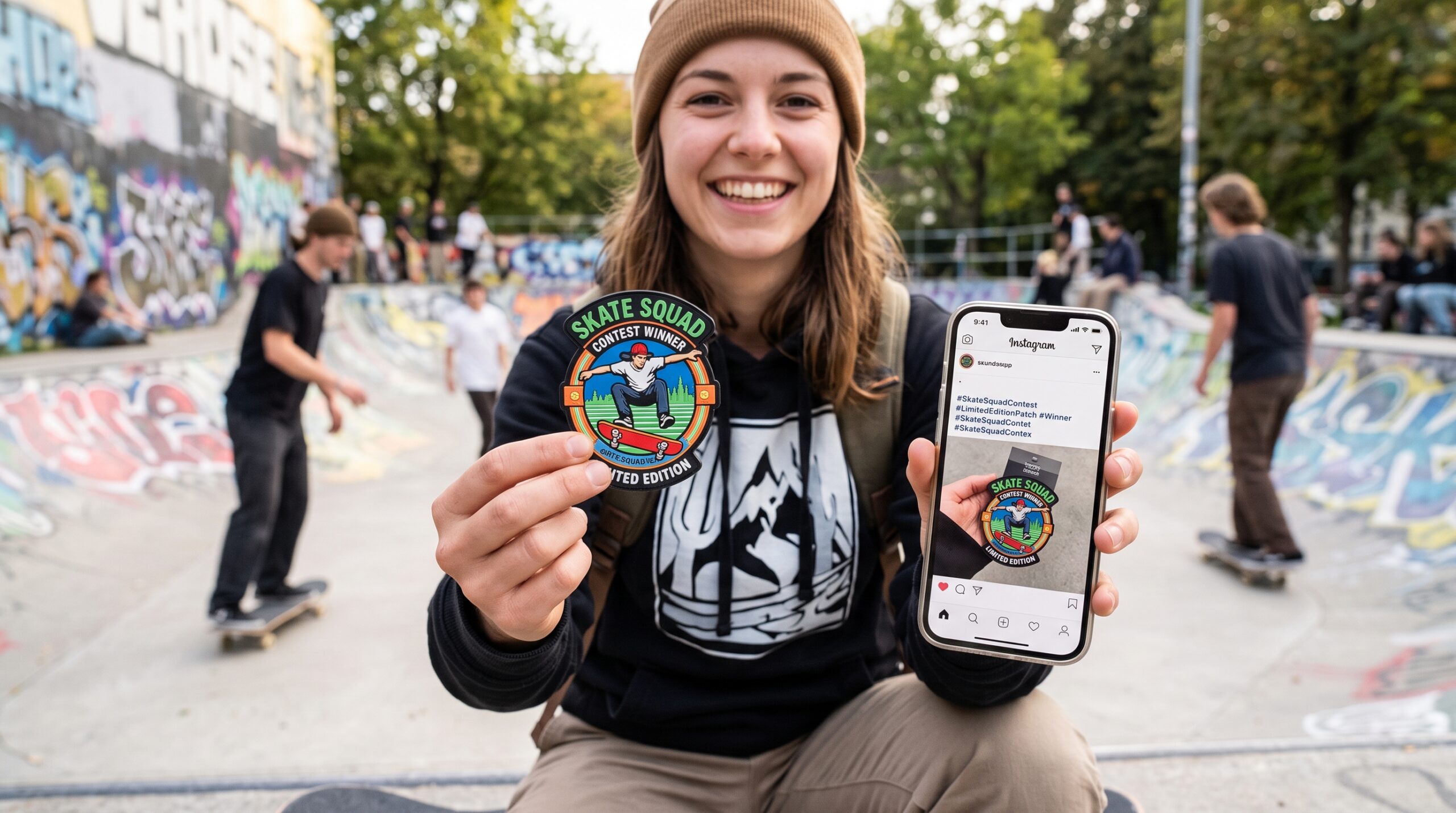
Social media contest and giveaway patches create shareable, photogenic prizes that extend your campaign’s reach beyond the platform itself. Colorful PVC or printed patches photograph well and encourage winners to post their prize, which extends your brand’s visibility organically. A skateboard brand that gives away a limited-run printed patch through an Instagram contest, for example, generates user posts that function as free advertising. Businesses running social campaigns should design contest patches with strong visual appeal specifically for photos and video.
Use 9: Co-Branded Partnership Patches
Co-branded partnership patches combine two business logos on a single patch, and businesses use them for joint promotions, sponsorships, or collaborative product lines. Embroidered or woven patches typically handle two-logo designs cleanly, since both brands need to remain legible and well-balanced. A running shoe brand that partners with a local race series to produce a joint finisher patch, for example, builds goodwill and visibility for both parties. Businesses exploring brand partnerships should treat co-branded patches as a low-cost way to test a collaboration before bigger joint campaigns.
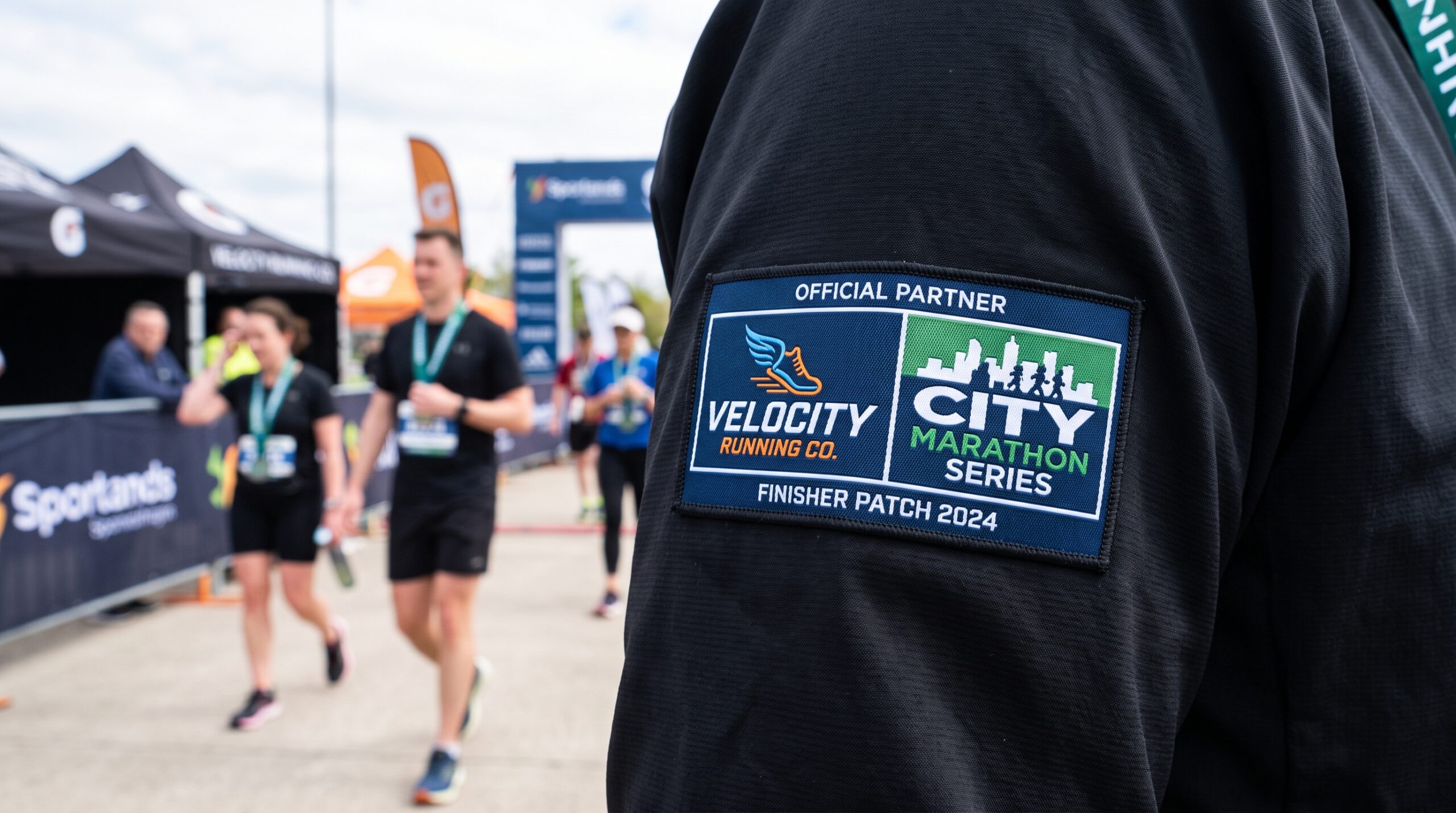
Use 10: Fundraising and Cause Awareness Patches
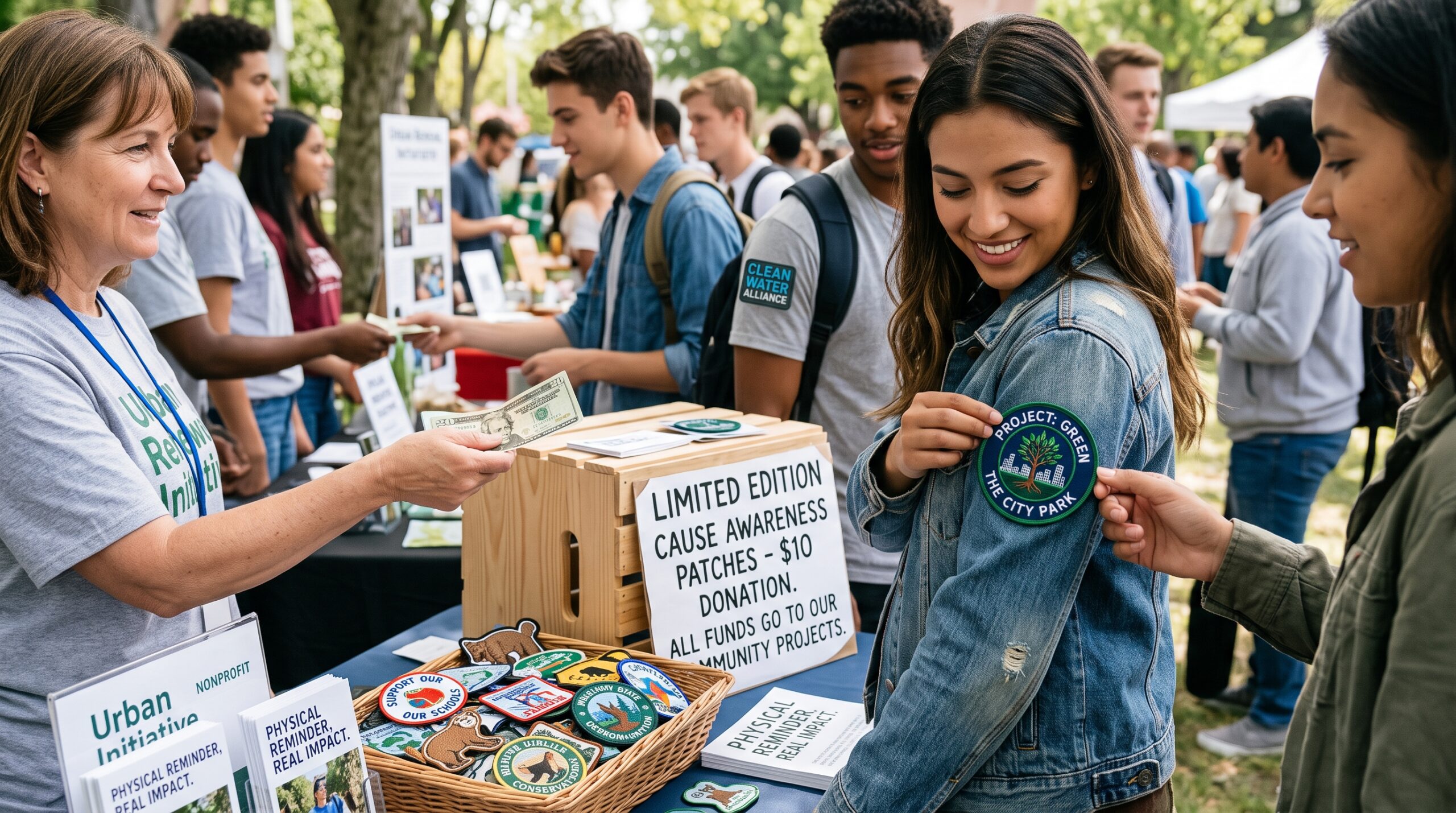
Fundraising and cause awareness patches let supporters display their contribution to a cause while giving your organization a recognizable symbol tied to the campaign. Organizations often choose embroidered or PVC, depending on budget, and sell or give the patch away as a thank-you for donations. A nonprofit that sells a limited-edition awareness patch to fund a specific project, for instance, turns a donation into a visible, wearable reminder of support. Organizations running fundraising campaigns should consider patches as a physical alternative to digital-only donor recognition.
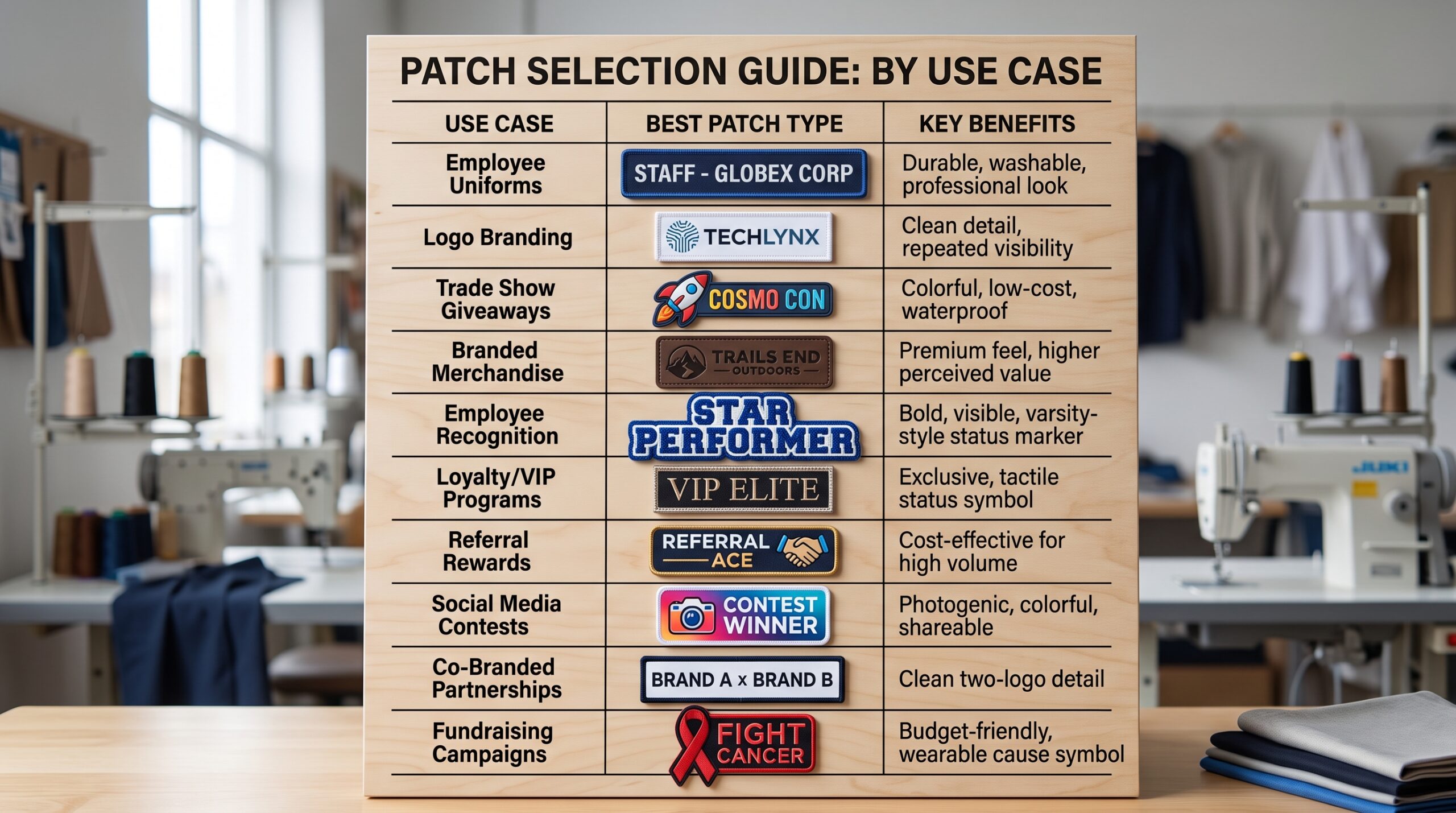
Comparison Table Patch Type by Use Case
| Use Case | Best Patch Type | Why |
|---|---|---|
| Employee Uniforms | Embroidered | Durable, washable, professional look |
| Logo Branding | Woven or Embroidered | Clean detail, repeated visibility |
| Trade Show Giveaways | PVC | Colorful, low-cost, waterproof |
| Branded Merchandise | Leather or Embroidered | Premium feel, higher perceived value |
| Employee Recognition | Chenille | Bold, visible, varsity-style status marker |
| Loyalty/VIP Programs | Embroidered or Woven | Exclusive, tactile status symbol |
| Referral Rewards | PVC or Embroidered | Cost-effective for high volume |
| Social Media Contests | PVC or Printed | Photogenic, colorful, shareable |
| Co-Branded Partnerships | Embroidered or Woven | Clean two-logo detail |
| Fundraising Campaigns | Embroidered or PVC | Budget-friendly, wearable cause symbol |
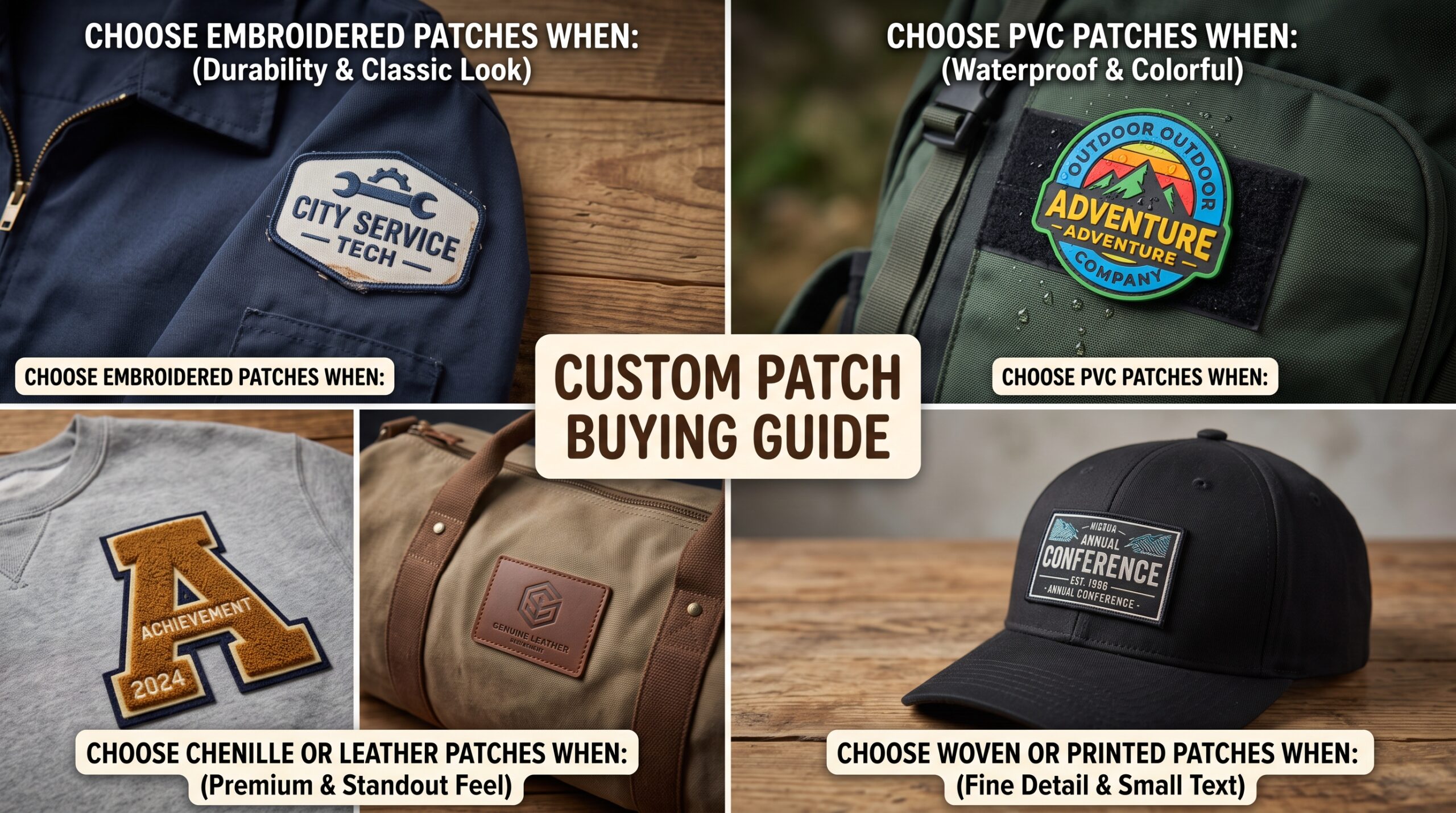
Buying Guide
Use this to match your branding goal to the right patch strategy.
- Choose embroidered patches when:
- You need durability for daily wear, like uniforms or recognition awards
- A classic, textured look fits your brand better than a glossy finish
- Choose PVC patches when:
- You need colorful, waterproof patches for outdoor or high-volume giveaways
- Budget and bulk quantity matter more than a premium texture
- Choose chenille or leather patches when:
- You want a standout, premium feel for recognition or merchandise
- The patch represents a milestone, achievement, or higher-end product line
- Choose woven or printed patches when:
- Your design has fine detail or small text that embroidery can’t capture cleanly
Common Mistakes
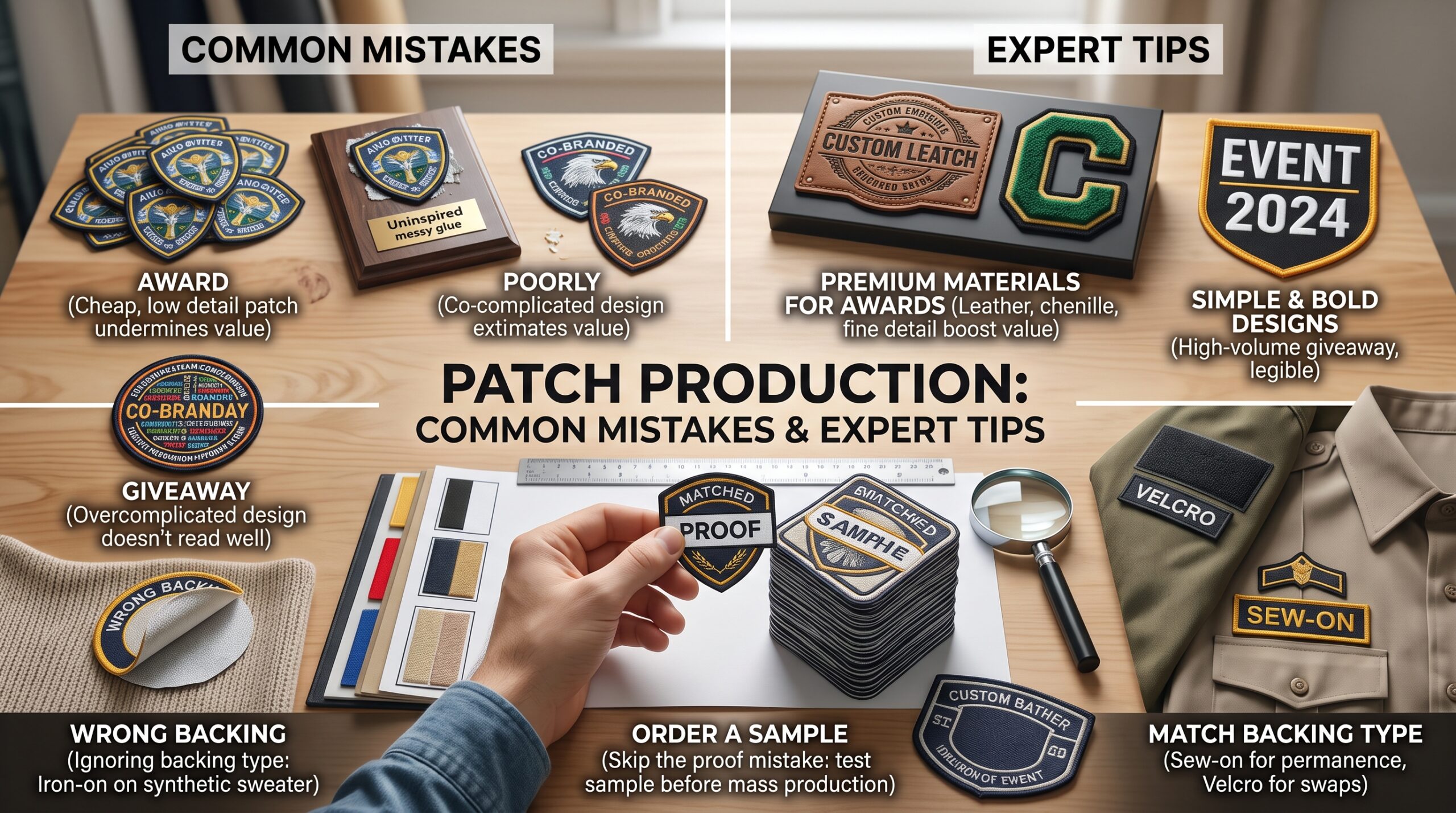
- Mistake 1: Using the same patch type across every use case regardless of budget or durability needs
- Mistake 2: Choosing a cheap, low-detail patch for a recognition or milestone award, which undermines its perceived value
- Mistake 3: Overcomplicating a giveaway patch design that needs to reproduce well at small, bulk quantities
- Mistake 4: Skipping a proof or sample before you place a large promotional or fundraising order
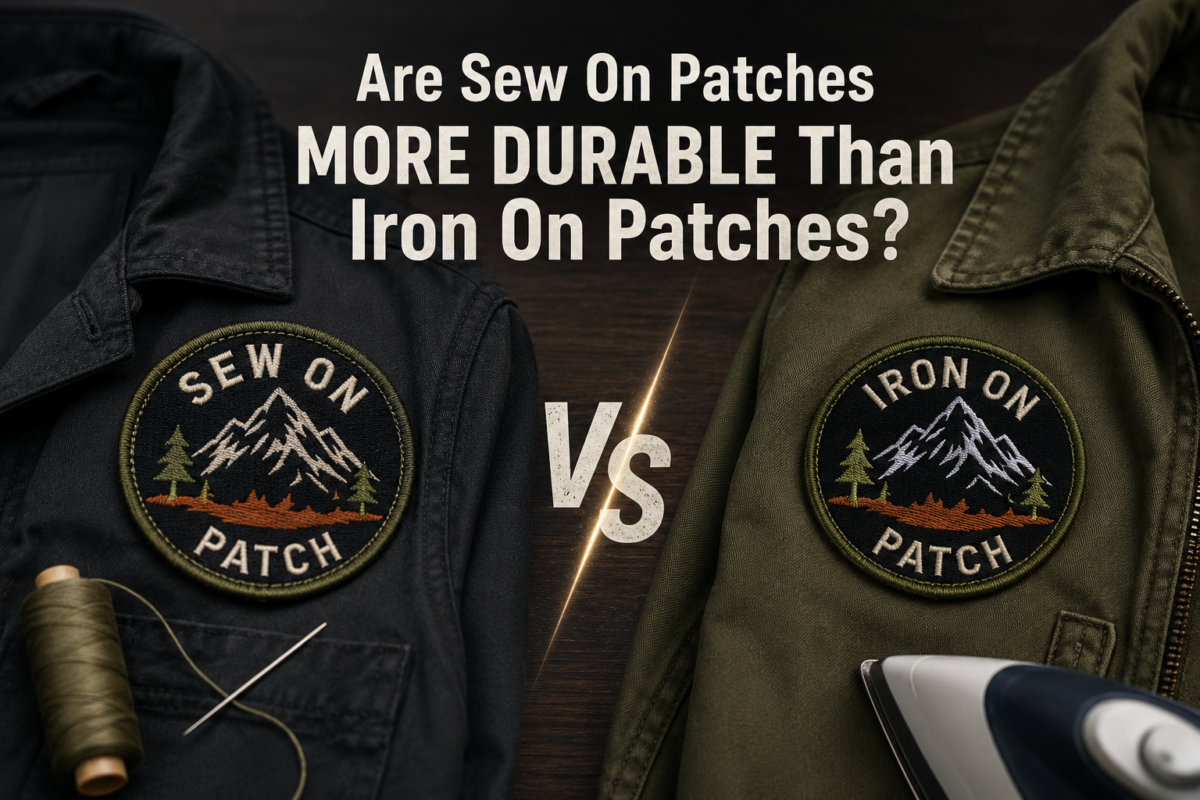
- Mistake 5: Ignoring backing type (iron-on vs sew-on vs Velcro) for the item the patch will attach to
Expert Tips
- Tip 1: Reserve premium materials like leather and chenille for recognition and merchandise, not high-volume giveaways
- Tip 2: Keep giveaway and contest patch designs simple and bold so they read clearly in photos
- Tip 3: For co-branded patches, confirm both logos stay legible at the final patch size before you move to production
- Tip 4: Order a small sample batch before you commit to a large fundraising or referral reward run
- Tip 5: Match backing type to the end product; Velcro works well for swappable recognition patches, while sew-on suits permanent uniform branding
Customization Options
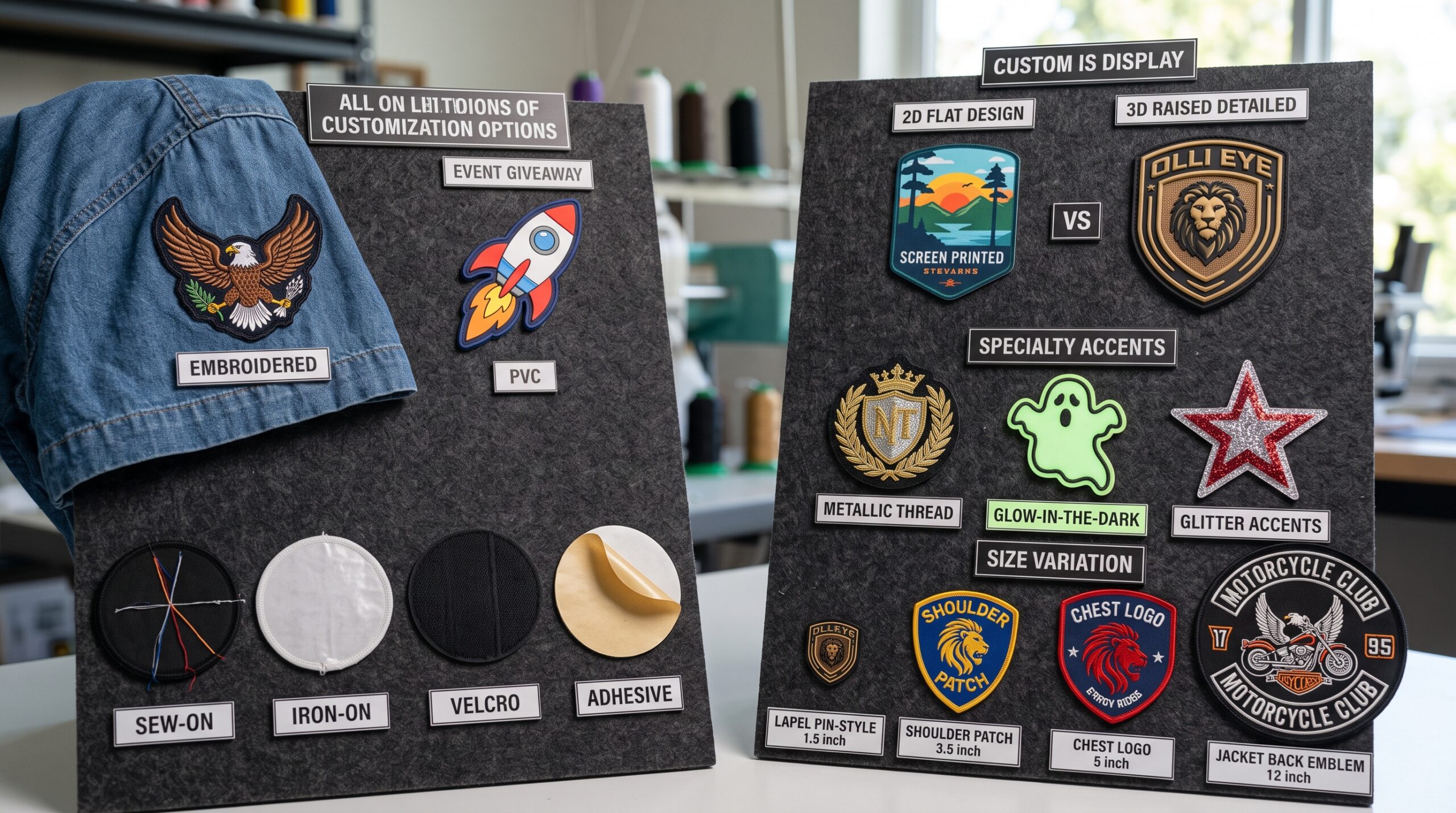
Custom patches support a wide range of options depending on the use case.
- Multiple patch types combined in one collection (for example, embroidered uniforms with PVC event giveaways)
- Backing choices: iron-on, sew-on, Velcro, or adhesive
- 2D flat designs or 3D raised detailing for added texture
- Metallic thread, glow-in-the-dark, or glitter accents for standout designs
- Size variation from small lapel-style patches to large jacket-back emblems
Pricing Factors
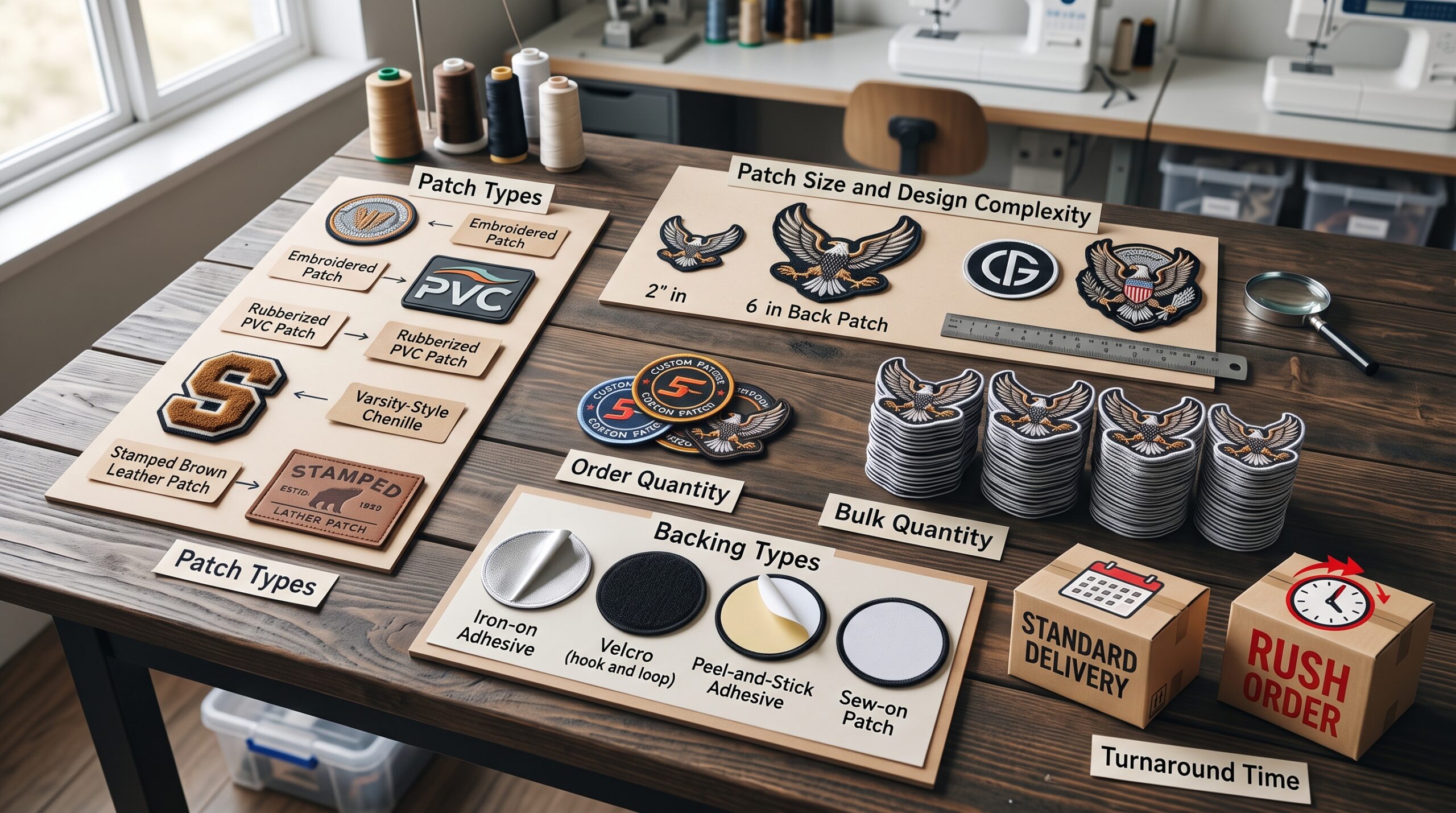
Several factors drive the final cost across all ten use cases.
- The patch type you select, since embroidered, PVC, chenille, and leather all carry different price points
- Patch size and design complexity
- Order quantity, since per-unit cost drops significantly at higher volumes
- Backing type you choose
- Turnaround time, since rush orders for events or campaigns may cost more
Ordering Process
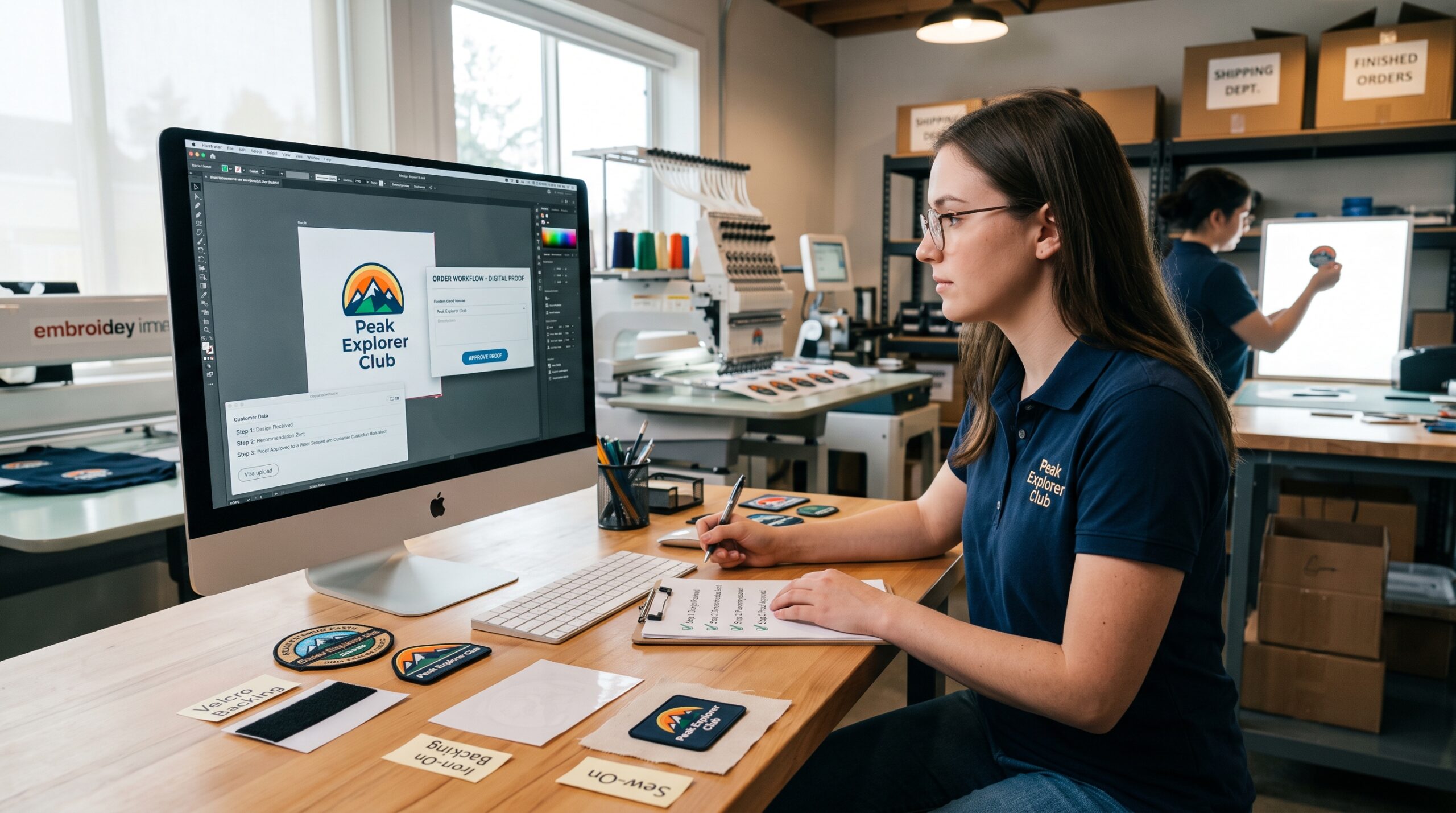
Ordering custom patches for any of these use cases generally follows the same steps.
- Step 1: Share your logo or design along with the intended use case, size, and quantity
- Step 2: Get a recommendation on the best patch type for your specific use case
- Step 3: Review and approve a digital proof before production begins
- Step 4: Confirm backing type and any additional customization
- Step 5: We handle production, quality inspection, and shipping
Why Choose Custom Patches 4U
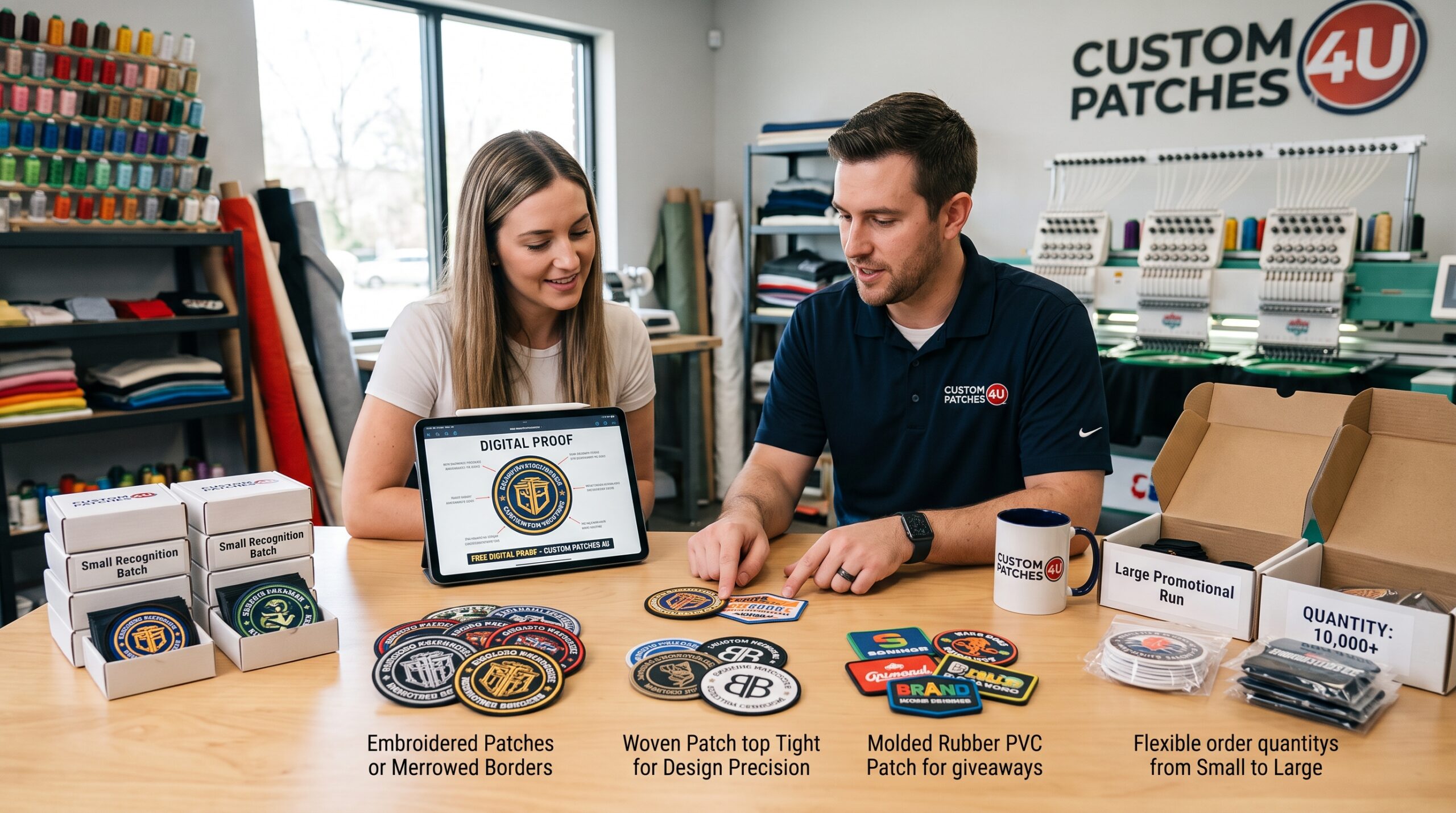
- We bring experience across all major patch types, from embroidered uniforms to PVC giveaways
- We guide you toward the right patch type for your specific branding goal
- We provide free digital proofs before production, so you won’t face surprises in the final product
- We offer flexible order quantities, from small recognition batches to large promotional runs
FAQs
What are the most common uses for custom patches in branding?
The most common uses include employee uniforms, logo branding, promotional giveaways, merchandise, employee recognition, loyalty rewards, referrals, social media contests, co-branded partnerships, and fundraising.
What’s the best patch type for employee uniforms?
Embroidered patches work best for uniforms because they hold up to repeated washing and daily wear.
Are PVC patches good for promotional giveaways?
Yes, PVC patches suit giveaways well because they’re colorful, waterproof, and cost-effective in bulk.
What patch type works best for employee recognition awards?
Chenille patches work well for recognition because their raised, varsity-style texture stands out as a visible achievement marker.
Can patches be used for loyalty programs?
Yes, embroidered or woven patches work well as physical loyalty or VIP rewards, and they give top customers a tangible status symbol.
What’s the difference between woven and embroidered patches?
Woven patches sit flatter and handle fine detail or small text better, while embroidered patches carry a raised, textured look that suits bolder designs.
Can two brand logos appear on one patch?
Yes, co-branded patches commonly use embroidered or woven styles to keep both logos clean and legible at the final size.
What’s the best patch type for fundraising campaigns?
Embroidered or PVC patches work well for fundraising, depending on budget, since both give donors a wearable way to show their support.
How do I choose the right patch type for my use case?
Match the patch type to your priorities: durability and professionalism call for embroidered, while color and budget call for PVC, and premium status calls for leather or chenille.
Do custom patches work for small businesses, not just large brands?
Yes, custom patches scale well for small businesses, from low-quantity recognition awards to small-batch promotional giveaways.
What backing type should I choose for my patches?
It depends on the end use: sew-on suits permanent uniform branding, iron-on suits merchandise, and Velcro suits swappable recognition or achievement patches.
How long does it take to produce custom patches?
Production time varies by patch type and quantity; PVC and embroidered patches generally offer faster turnaround than more detailed chenille or leather designs.
Build Your Patch Strategy
If you're ready to put custom patches to work across your branding, uniforms, or promotional campaigns, we can help you choose the right patch type for each use case. Reach out to Custom Patches 4U for a free design consultation, bulk pricing, or a sample request before you commit to production.